
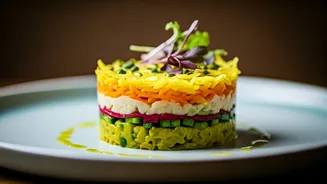


More Than Just a Compost Bin
First, let’s get one thing straight: a “zero-waste” kitchen isn't just about diligently separating food scraps. It’s a radical philosophy that reimagines the entire lifecycle of an ingredient. Think of it as the culinary equivalent of a magic trick where
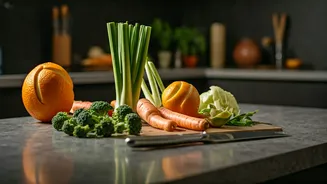
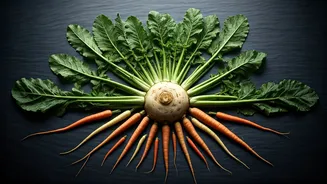
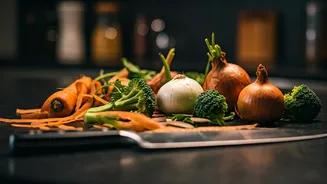
the magician uses every single part of the rabbit, including the hat. In these kitchens, potato peels are crisped into savory snacks, fish bones are simmered into intensely flavorful broths, and the leafy tops of carrots, usually discarded, are blitzed into vibrant pesto. It’s a closed-loop system driven by creativity. This approach forces chefs to abandon the convenience of conventional supply chains. Instead of ordering uniform, plastic-wrapped cuts of meat, they might receive a whole animal and be challenged to use everything from nose to tail. Vegetables arrive with dirt still on them, complete with roots, stems, and leaves that all must find a purpose. This isn't about deprivation; it's about abundance through ingenuity.
The New Conspicuous Consumption
So, why is this becoming a “flex”? Because in an age of ecological anxiety and information overload, the ultimate luxury is no longer just material, but intellectual and ethical. Dining at a top-tier zero-waste restaurant signals more than just wealth. It says you’re in the know. It says you value foresight, creativity, and sustainability over simple, brute-force decadence. You’re not just eating a meal; you’re participating in a forward-thinking movement.
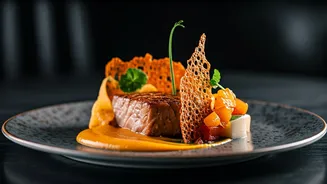
Chefs pioneering this trend are becoming culinary celebrities for their minds as much as their palates. Securing a reservation at a place like Chef Douglas McMaster’s Silo in London (a global touchstone for the movement) or experiencing the hyper-local ethos of a chef like Dan Barber at Blue Hill in New York is a form of cultural currency. It's a story you tell your friends, a photo you post not to show off a $200 steak, but a delicate dish made from ingredients that other kitchens would have thrown away. The flex is the philosophy.
Who's Leading the Charge?
While Europe has often led the way, the zero-waste ethos is firmly taking root in the U.S. Trailblazers are proving it’s not just a coastal or big-city phenomenon. You see its principles in the fierce farm-to-table commitments of restaurants across the country, where chefs have direct relationships with farmers and use every part of the harvest out of respect for the labor involved.
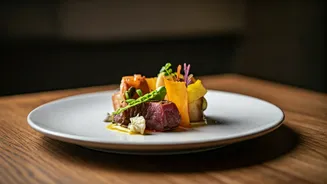
In places like Rhodora in Brooklyn, a wine bar that bills itself as the city’s “first zero-waste bar,” everything from the food program to the wine sourcing and packaging is scrutinized to eliminate trash. At higher-end restaurants, the techniques are more subtle. A chef might use fermented vegetable scraps to create a complex, umami-rich sauce or dehydrate fruit skins to make a unique seasoning. These aren't advertised as “scraps”; they are presented as innovative, delicious components that showcase the kitchen’s skill.
What It Actually Tastes Like
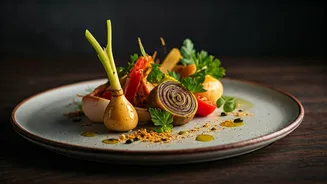
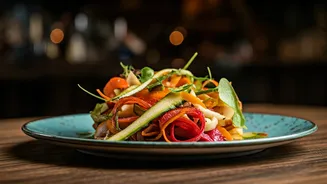
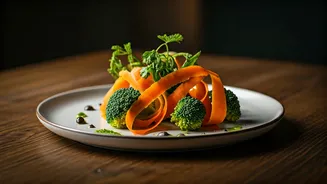
Forget any image of austere, meager plates. The irony of zero-waste cooking is that it often leads to more interesting and flavor-packed food. When a chef is forced to use every part of a leek—the tender white, the tough green tops, the wispy roots—they discover new textures and depths of flavor. The roots might be fried into a crispy, earthy garnish. The green tops might be charred and infused into an oil.
The result for the diner is a meal that tells a more complete story of an ingredient. You experience a familiar vegetable in an entirely new way. It’s a culinary education and a sensory adventure all at once. The menu becomes less about a list of luxury items and more about a narrative of resourcefulness, showcasing a chef's ability to transform the humble into the sublime. The taste of a zero-waste menu is the taste of pure, unadulterated creativity.