


Beyond the Curry House
For years, the perception of Indian cuisine abroad was largely defined by a standardized menu, a blend of Punjabi and Mughlai dishes heavily adapted for Western palates. While delicious, this offering represented only a sliver of the subcontinent's staggering
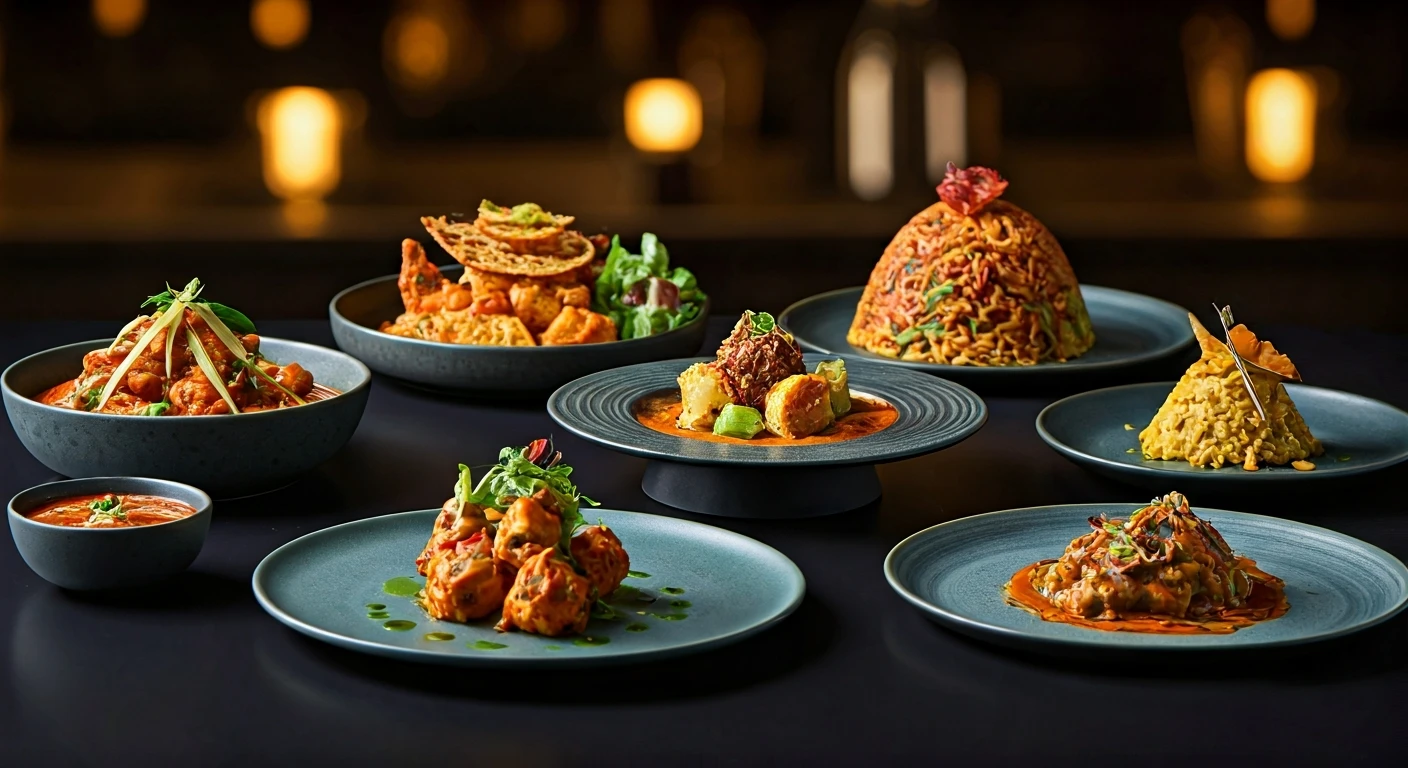
culinary diversity. The ‘curry house’ became a monolith, obscuring the distinct regional traditions of a country with dozens of unique food cultures. But a new generation of Indian chefs is dismantling this stereotype, plate by plate. They are moving beyond the buffet line and the one-sauce-fits-all approach, pushing a vision of Indian food that is dynamic, regional, and unapologetically ambitious.
The World Takes Notice
This isn't just a local trend; it's a global phenomenon earning top-tier validation. The prestigious Michelin Guide, the long-standing arbiter of fine dining, finally launched in India in 2022, instantly bestowing stars on restaurants like Indian Accent in New Delhi, already a fixture on Asia's 50 Best Restaurants list. Chef Manish Mehrotra’s inventive approach, which pairs unexpected ingredients like foie gras with traditional tikkis, signaled a new confidence. Meanwhile, chefs of Indian origin are storming the global stage. Garima Arora became the first Indian woman to earn a Michelin star for her Bangkok restaurant Gaa, which reinterprets Indian street food with fine-dining precision. This wave of international acclaim is the clearest sign yet that the world is ready for a more nuanced and exciting conversation about Indian food.
A Return to Regional Roots
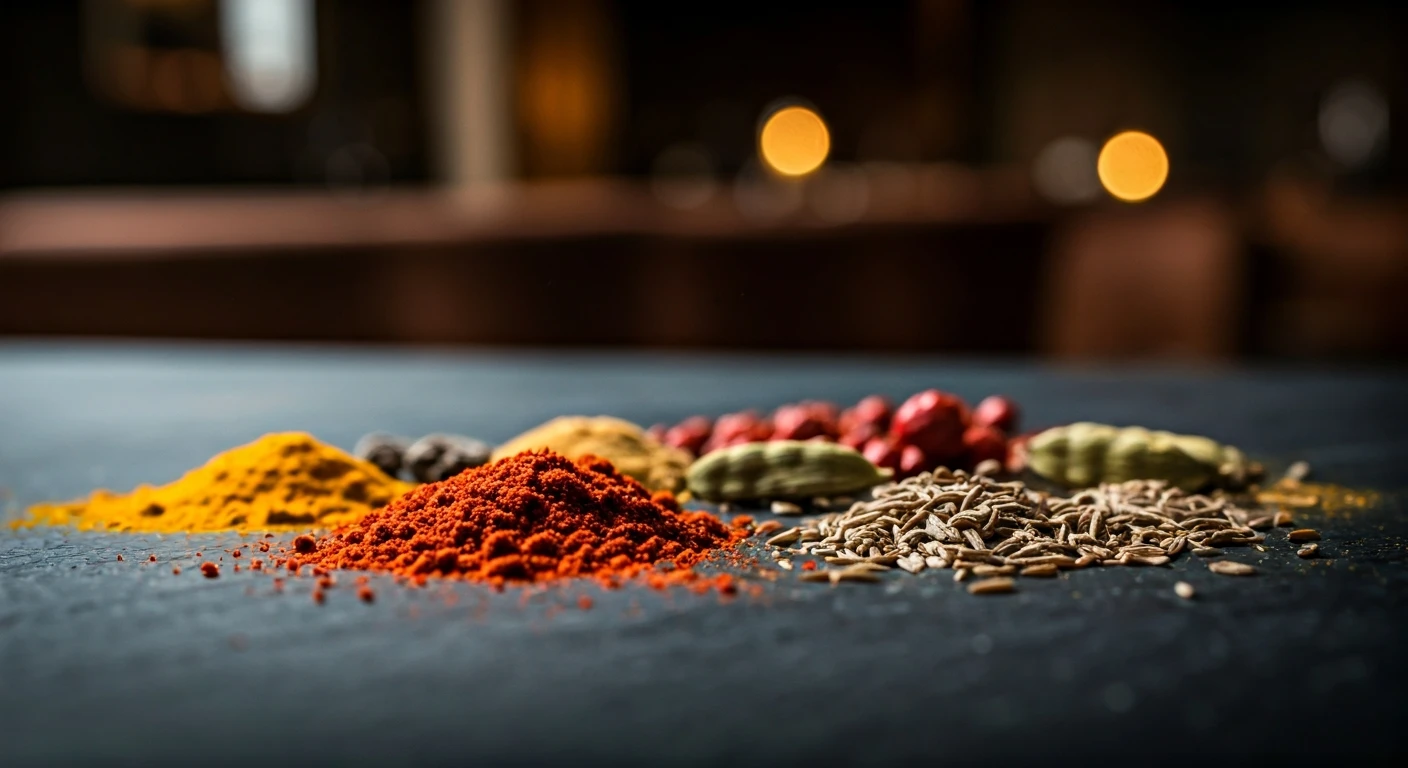
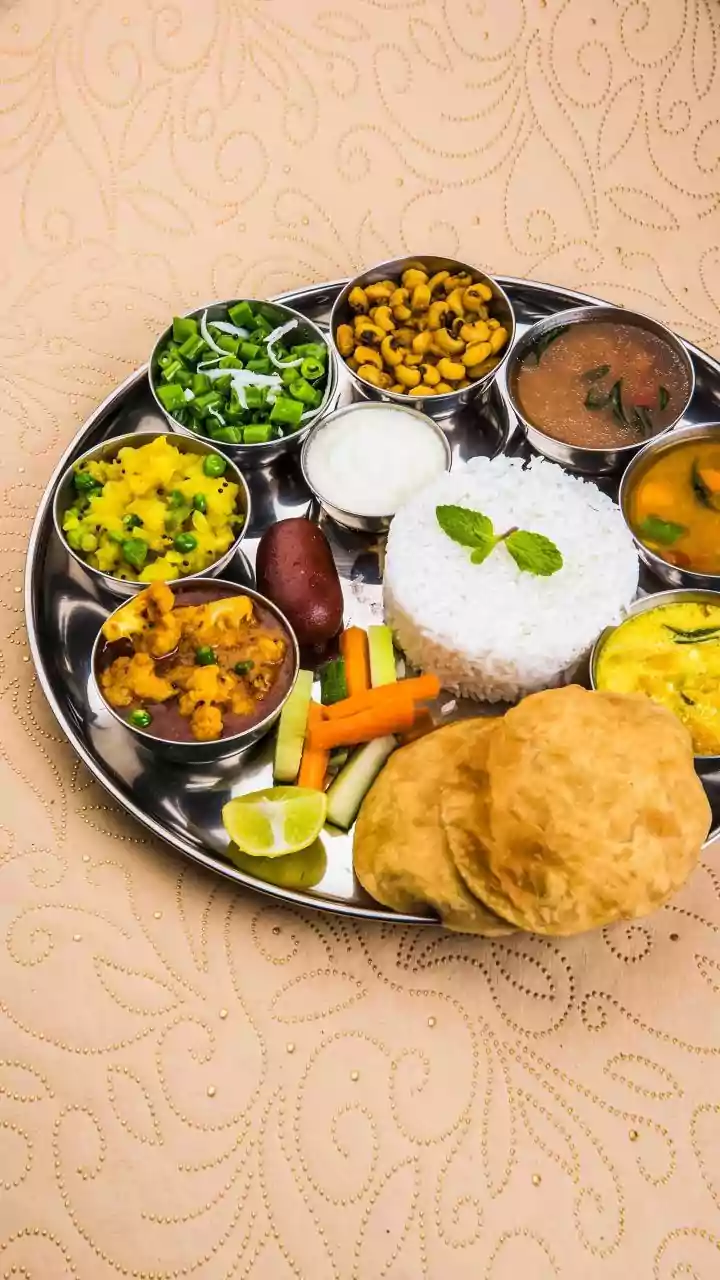
The heart of this glow-up is a deep dive into regionality. India is not a single food culture; it’s a continent of them. The new guard of chefs is exploring and elevating the hyper-local cuisines that were previously confined to home kitchens. At restaurants like Comorin in Gurugram, you might find dishes from the mountains of Himachal Pradesh or the coasts of Tamil Nadu, each prepared with a focus on its authentic flavor profile. This means showcasing the sour tang of kokum from the Konkan coast, the delicate ferments of the Northeast, or the complex spice blends of Chettinad. For diners, this translates to a thrilling journey across India's culinary map without ever leaving the table, discovering that the food of Rajasthan has little in common with that of Kerala—and that both are spectacular.
Modern Technique, Ancient Flavor
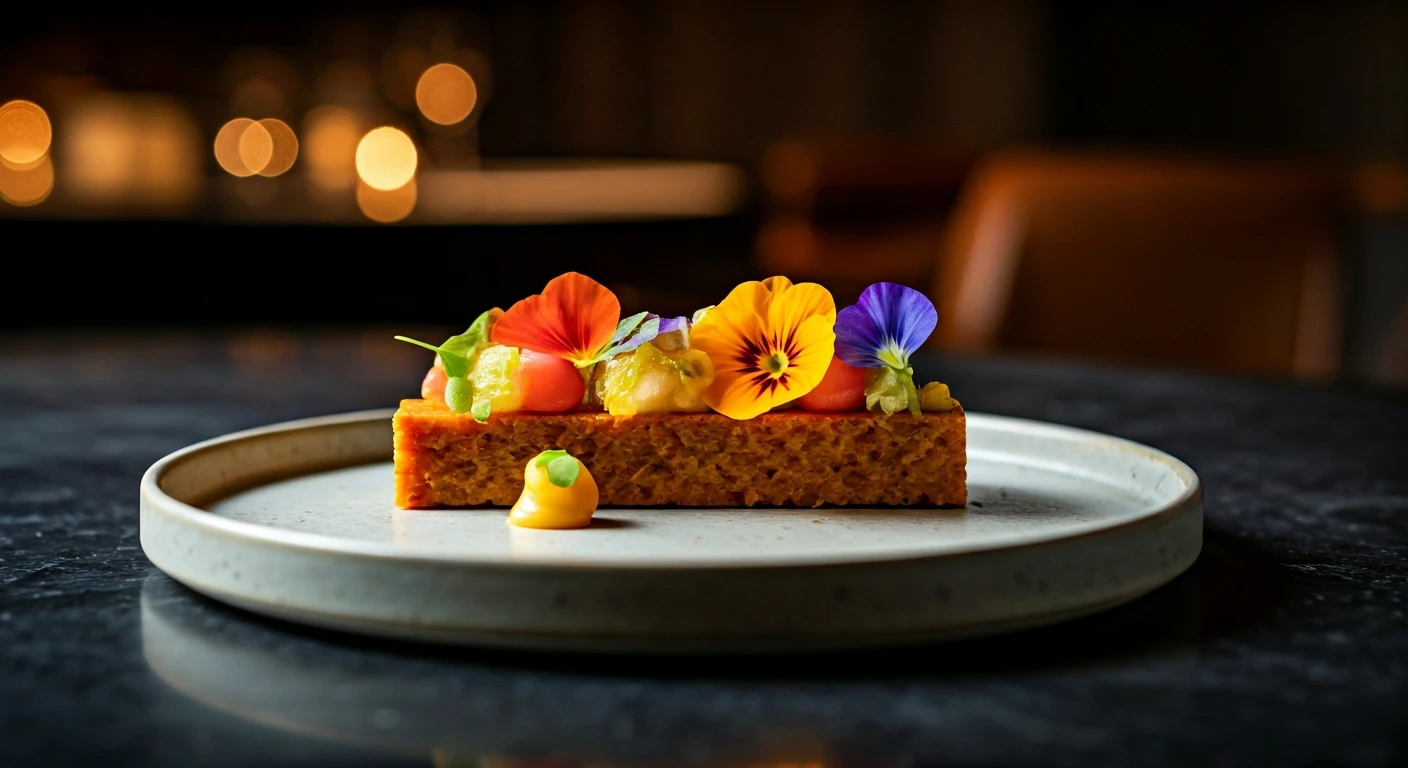
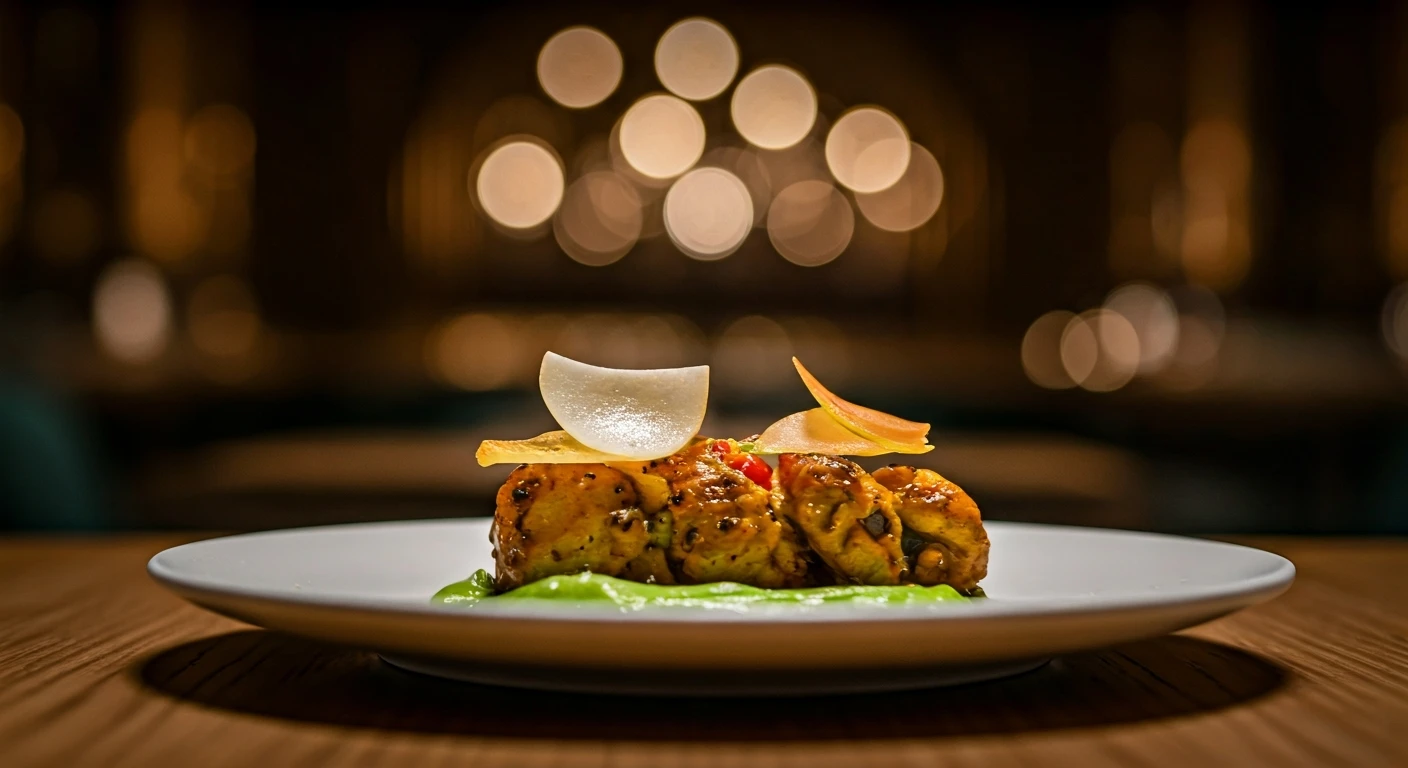
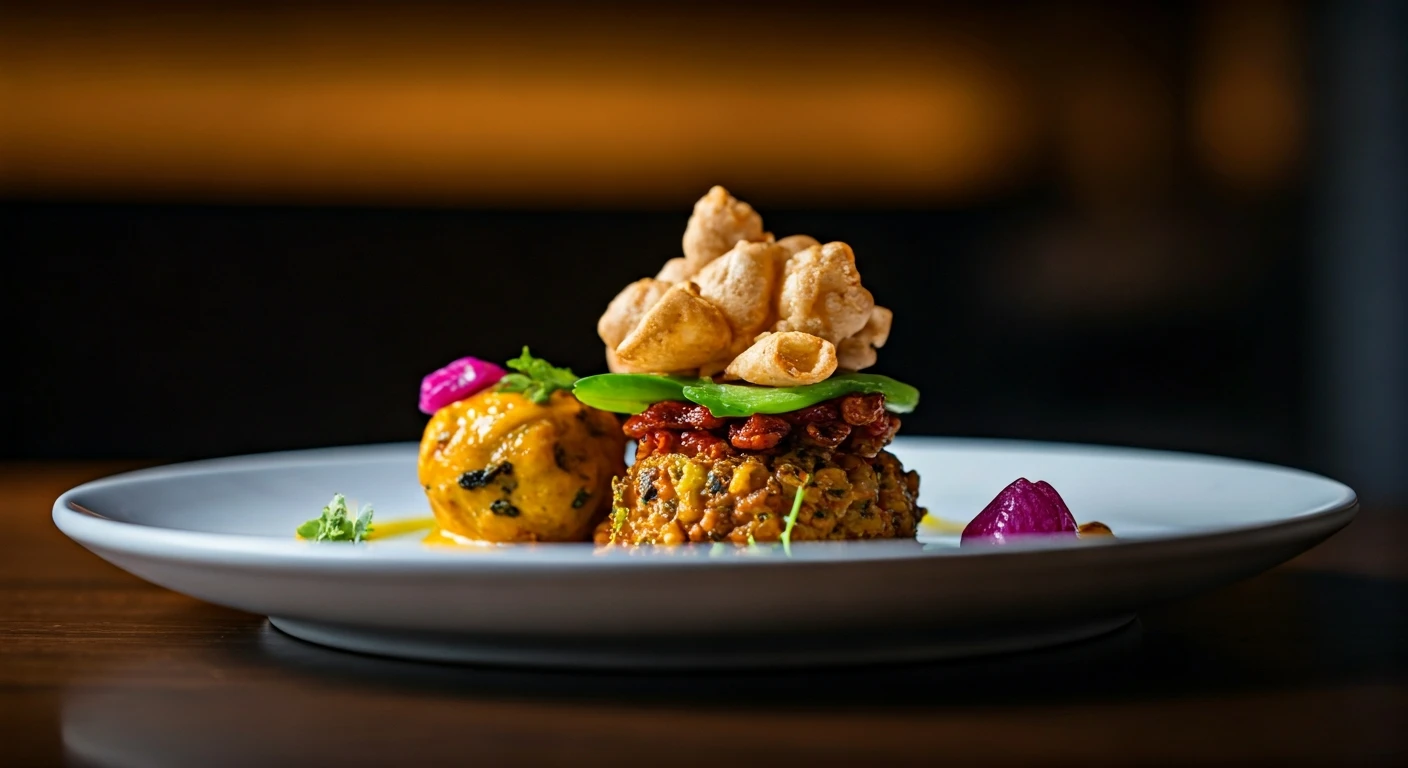
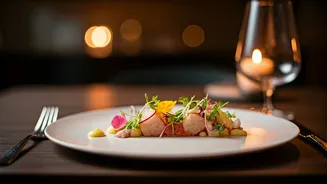
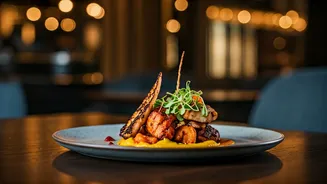
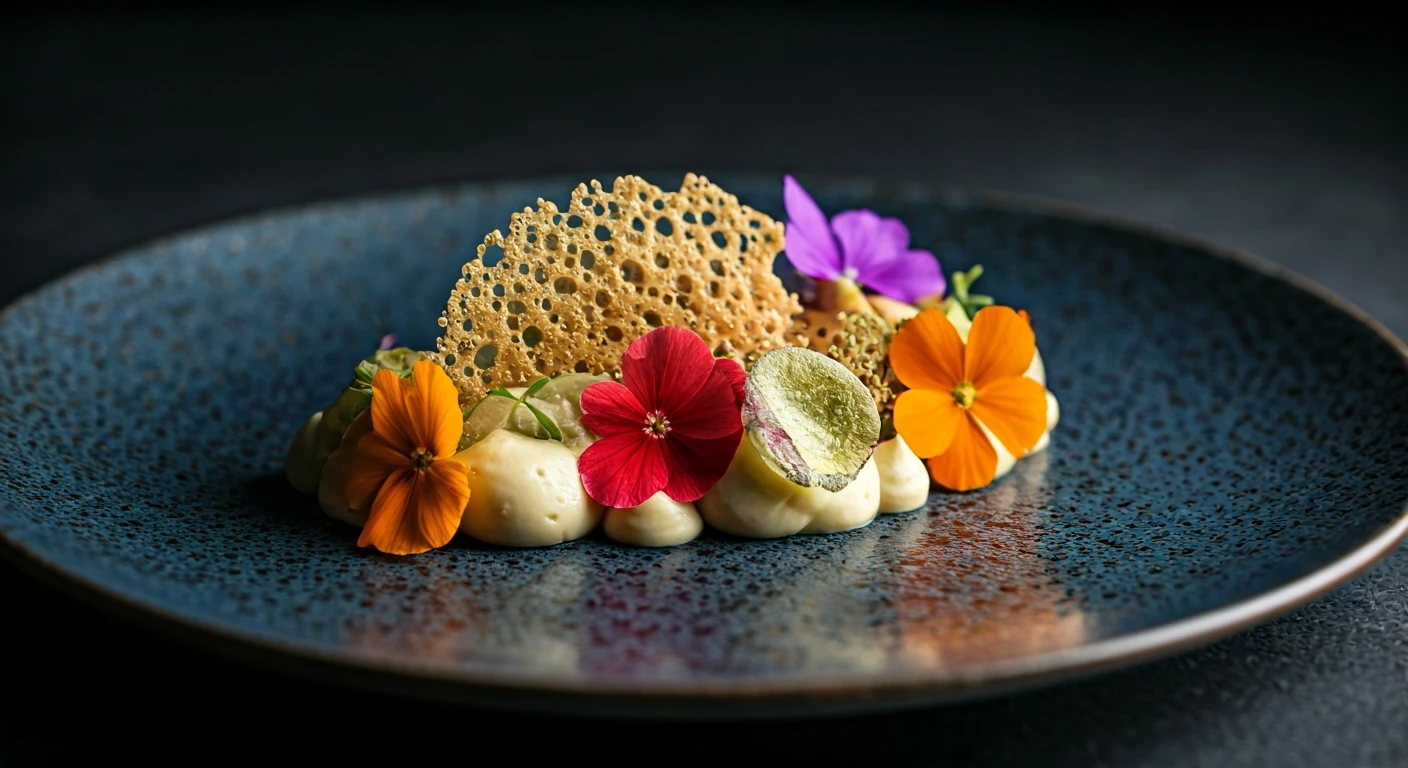
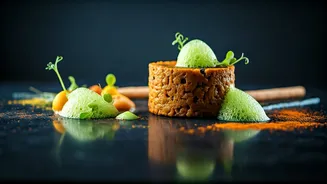
This movement isn't about abandoning tradition, but rather, re-energizing it. Many of today's top Indian chefs are classically trained in global culinary techniques and are now applying that knowledge to their heritage. Think of a classic dal (lentil stew) transformed into a velvety soup with a dollop of truffle-infused ghee, or a deconstructed papdi chaat that separates the beloved street snack into its component textures and temperatures. This isn't fusion for fusion's sake. Instead, chefs are using modern tools—sous-vide, foams, spherification—to intensify and refine flavors that have been cherished for centuries. The goal is to present familiar tastes in a surprising new context, creating a dish that is at once innovative and deeply rooted in tradition.
The Story on the Plate
Ultimately, the new Indian cuisine is about storytelling. Tasting menus at these groundbreaking restaurants are often narrative journeys. They might trace the spice routes, explore the forgotten ingredients of a particular community, or reflect a chef's personal memories of their grandmother’s cooking. This approach elevates dining from simple consumption to a cultural experience. It invites diners to engage with the history, agriculture, and people behind the food. By weaving a compelling story around each dish, these chefs are doing more than just feeding their guests; they are acting as cultural ambassadors, showcasing an India that is complex, modern, and bursting with flavors that have been waiting for their moment in the global spotlight.