


Meet the Balkan Peninsula
Forget the crowded streets of Rome or Paris for a moment. The region quietly stealing the spotlight is the Balkan Peninsula in Southeast Europe. This area, which broadly includes countries like Croatia, Slovenia, Bosnia and Herzegovina, Montenegro, Albania,
and Serbia, offers the European charm many travelers crave but with fewer crowds and a more adventurous spirit. It’s a place where the Adriatic coastline rivals Italy’s, the mountains feel as wild as the Alps, and the history is a complex tapestry of empires. For years, it remained off the mainstream tourist radar, but a new generation of travelers is discovering what makes it so special: it feels like Europe, but with the thrill of the road less traveled.
History You Can See and Touch
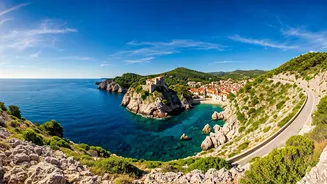
The Balkans are a living museum. This is a crossroads where Roman, Byzantine, Venetian, Ottoman, and Austro-Hungarian empires clashed and blended for centuries. You can walk the ancient city walls of Dubrovnik in Croatia, feeling like you’ve stepped into a medieval fantasy (which is why 'Game of Thrones' filmed there). You can stand on the Latin Bridge in Sarajevo, Bosnia and Herzegovina, the very spot where the assassination that triggered World War I occurred. Explore Roman ruins like Diocletian's Palace in Split, or wander through Ottoman-era bazaars in Mostar. Unlike a roped-off museum exhibit, history here is part of the urban fabric—layered, visible, and deeply intertwined with modern life.
Affordability Without Compromise
Let’s be honest: a European vacation can drain a bank account. This is where the Balkans truly shine. While Croatia’s popular coastal towns have become more expensive, they still offer better value than their Italian or French counterparts. And once you venture into countries like Albania, Bosnia and Herzegovina, or Serbia, the costs plummet. A delicious, multi-course meal can cost what you’d pay for a sandwich in London. A comfortable guesthouse might run you $40 a night. This affordability doesn't mean you're sacrificing quality. It means you can afford to stay longer, do more, and experience the local culture—from lingering over coffee to hiring a private boat tour—without constantly worrying about your budget.
Nature in Overdrive
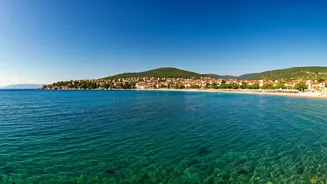
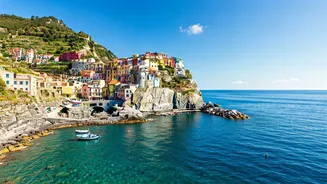
The region’s natural beauty is staggering in its diversity. The Dalmatian Coast, stretching through Croatia and Montenegro, is legendary for its crystalline turquoise waters and thousands of islands. But venture inland and you'll find a different kind of magic. Slovenia offers the fairytale landscapes of Lake Bled and the Julian Alps, a paradise for hikers. Bosnia is home to the emerald-green rivers of Una National Park, perfect for rafting and kayaking. In Montenegro, the Bay of Kotor is a spectacular fjord-like inlet surrounded by dramatic black mountains. And Albania’s coastline, the “Albanian Riviera,” features some of the last undeveloped beaches in the Mediterranean. It’s a playground for both adrenaline junkies and those just looking to soak in a world-class view.
A Genuine Sense of Welcome
Perhaps the most enduring reason for the Balkans’ rising popularity is its people. While the region has a complicated and sometimes tragic recent past, visitors are often struck by the warmth, resilience, and hospitality they encounter. In many areas, tourism is still a growing industry, and there’s a genuine excitement in sharing the local culture with outsiders. This isn't the jaded, transactional tourism of more saturated destinations. Here, you’re more likely to be invited for a glass of homemade *rakija* (fruit brandy) by a guesthouse owner or get into a long conversation with a cafe proprietor. It’s this human connection that often transforms a great trip into an unforgettable one, and it’s something the Balkan Peninsula offers in abundance.