
The Unfair Reputation
When you think of a night out for Indian food, what comes to mind? For many, it’s a decadent feast: creamy chicken tikka masala, rich saag paneer, pillowy naan bread perfect for sopping up every last drop of sauce, and maybe a fried appetizer to start.
While delicious, this version of Indian cuisine—largely based on North Indian and Mughlai restaurant traditions—has cemented a reputation for being heavy, indulgent, and something you save for a special occasion. This perception is largely a product of the restaurant experience, which, like in many cuisines, dials up the fat, salt, and sugar to create rich, crave-able dishes that stand out. Giant portion sizes and all-you-can-eat buffets further reinforce the idea that Indian food is a calorie-dense indulgence. This narrow view, however, completely overlooks the everyday food that fuels over a billion people—a cuisine that is far more balanced, plant-forward, and nuanced.
The Home-Cooked Reality
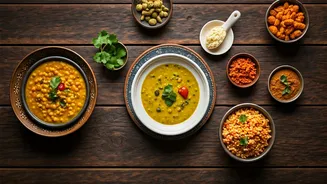
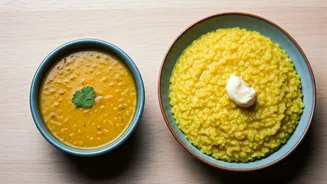
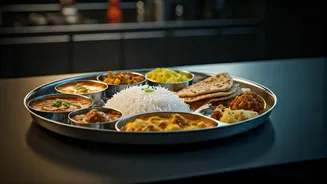
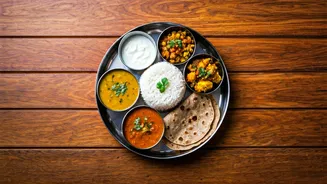
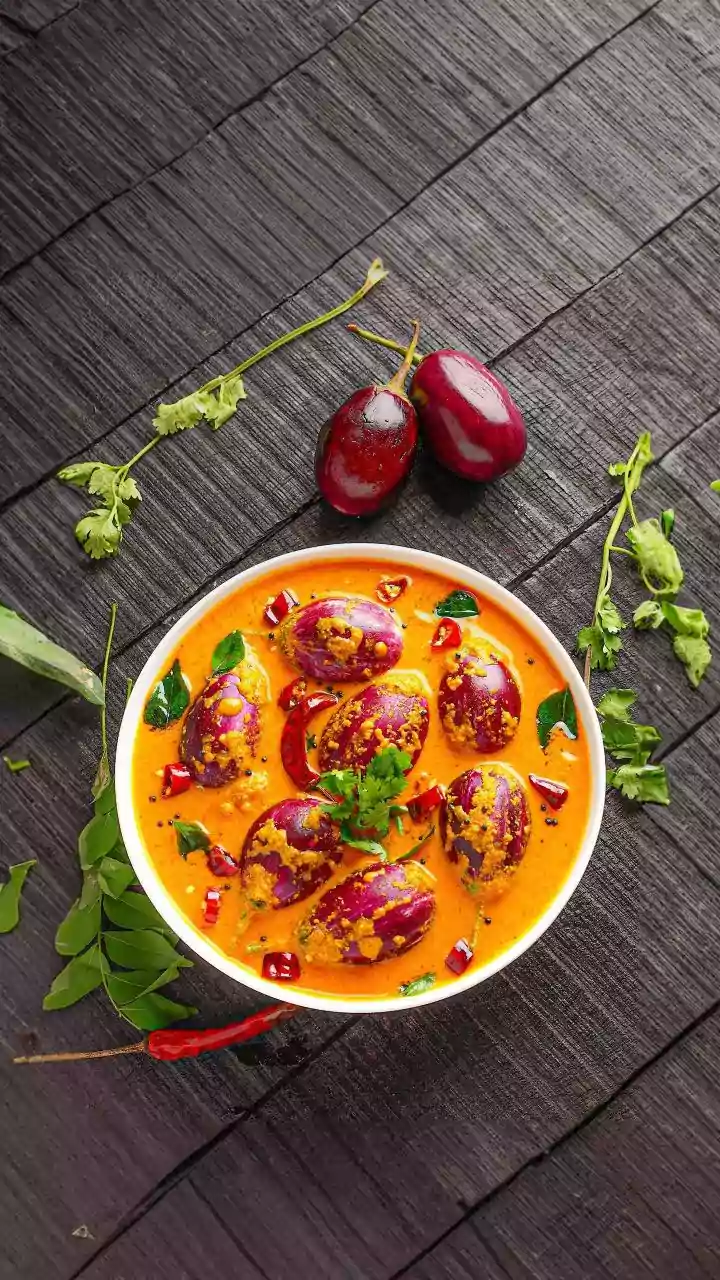
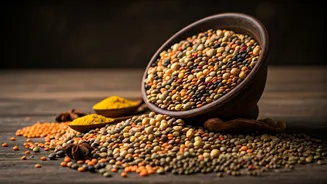
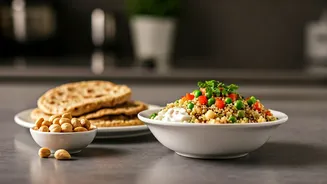
The “rebrand” of Indian food is less of a reinvention and more of a return to its roots. At its heart, traditional, home-style Indian cooking is one of the most balanced and wholesome diets in the world. The daily Indian plate, or thali, is a masterclass in macronutrient balance. It typically features a hearty portion of dal (lentils or legumes), a seasonal vegetable dish (sabzi), a small serving of rice or whole-wheat roti, and a side of yogurt (raita). This structure naturally prioritizes fiber, complex carbohydrates, and plant-based protein. Vegetables are the star, not a sad afterthought. Meats are often used sparingly as a flavor component rather than the centerpiece of the meal. This everyday approach is a far cry from the cream-laden curries that dominate American takeout menus. It’s food designed for nourishment and daily sustenance, not just for special occasions.
Meet the New Guard
Leading this change in perception is a new generation of Indian-American registered dietitians and nutrition experts. Armed with cultural knowledge and scientific training, they are using platforms like Instagram, TikTok, and personal blogs to dismantle myths and educate a global audience. These professionals are showing how to honor tradition while making mindful choices. They’re not taking the butter out of butter chicken; they’re showing you that butter chicken was never meant to be an everyday meal in the first place. By sharing recipes for baked samosas, whole-wheat naan, or curries thickened with yogurt or nut pastes instead of heavy cream, they provide practical, accessible swaps. More importantly, they are reclaiming the narrative, celebrating the inherent healthfulness of the Indian pantry and pushing back against a Western wellness culture that has often misunderstood or maligned non-Western foods.
Your Healthy Indian Plate
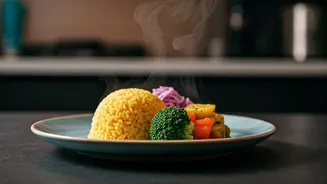
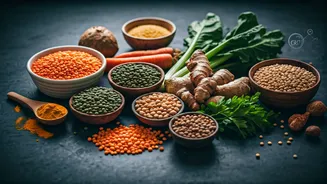
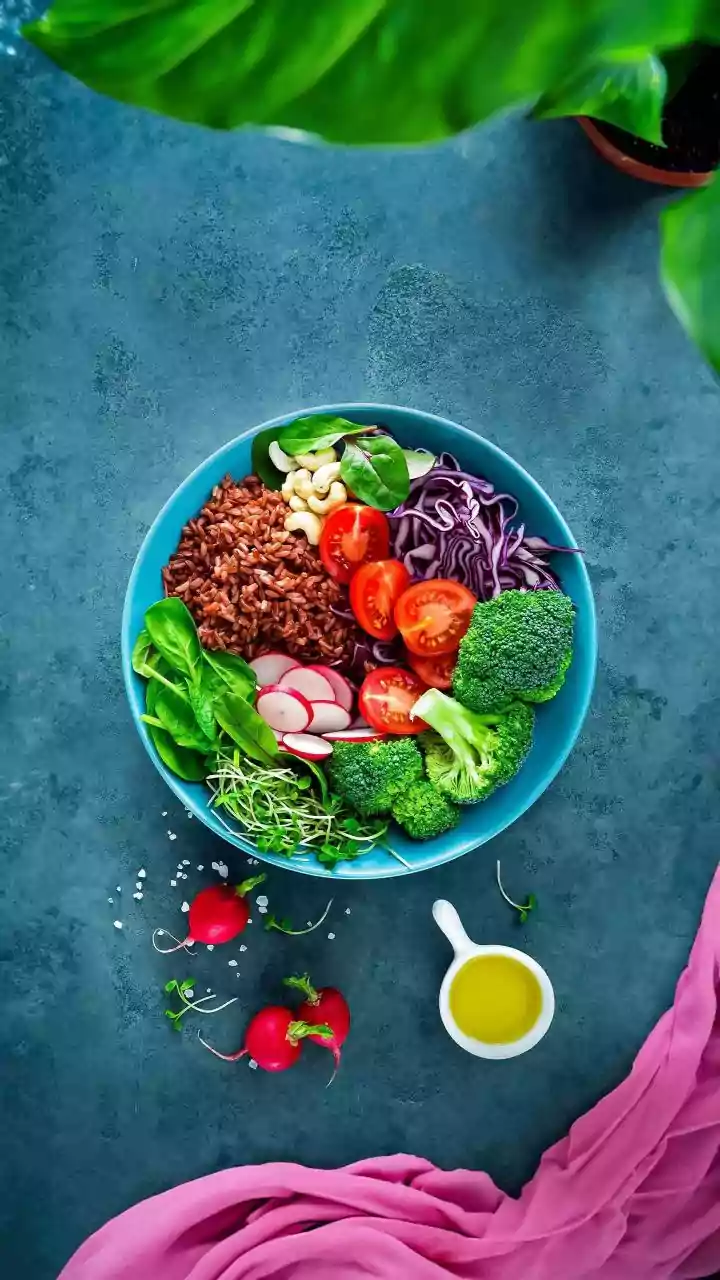
So, how can you embrace this healthier approach to Indian cooking at home? It’s easier than you think. Start by shifting your focus from a single, heavy main dish to a balanced plate of several smaller components. Make lentils and beans the star of your meal a few times a week with dishes like dal or chana masala. When cooking vegetables, use techniques like sautéing or roasting with spices instead of deep-frying. Simple swaps can make a huge difference. Use plain yogurt or a puree of cashews to add creaminess to curries instead of heavy cream. Opt for whole-wheat roti or brown rice instead of white rice or naan. And don’t be afraid to load up on the sabzi (vegetable dishes). Portion control is also key. Rather than an oversized bowl of one curry, try a small serving of a few different dishes to get a wider array of nutrients and flavors.
Superfoods in the Spice Box
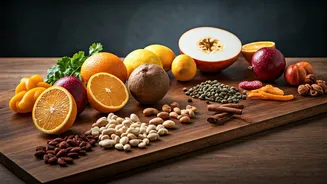
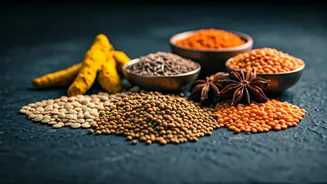
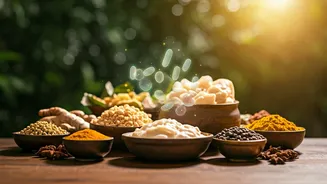
One of the greatest nutritional secrets of Indian cooking has been hiding in plain sight: the spice box, or masala dabba. These spices aren't just for flavor; they are potent sources of medicinal and health-promoting compounds. Turmeric, the golden spice in many curries, contains curcumin, a powerful anti-inflammatory. Ginger is a well-known digestive aid, while fenugreek can help regulate blood sugar. Cumin, coriander, and cardamom are all packed with antioxidants. By generously using these spices, traditional Indian cooking builds immense flavor without relying on excess salt, sugar, or fat. This “food as medicine” approach is central to Ayurveda, the ancient Indian system of health, and it’s a principle that modern nutrition science is increasingly validating. The rebrand of Indian food, therefore, is simply an acknowledgment of the wisdom that was there all along.