


The Trend: From Manicured to Meadow
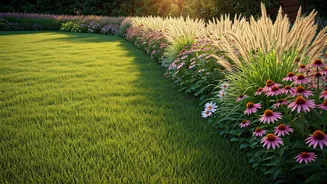
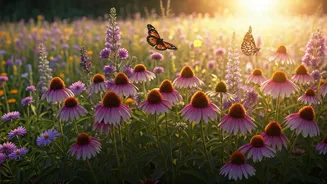
The movement is a shift away from traditional, rigidly structured flower beds and vast green lawns. Instead, gardeners are embracing a more naturalistic style often called “meadowscaping” or “wild gardening.” The goal isn’t chaos, but a carefully curated
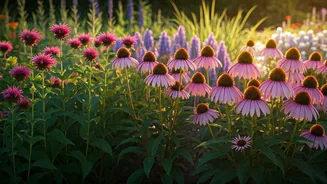
version of nature that mimics a wild meadow. This approach uses layered plantings of varying heights, textures, and bloom times to create a dynamic, living ecosystem rather than a static display. It prioritizes ecological function right alongside aesthetics, turning a backyard from a simple decoration into a bustling habitat.
Think Beyond Nectar
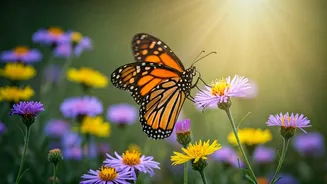
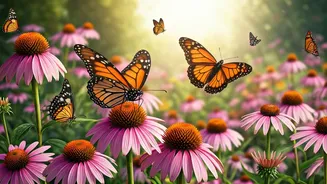
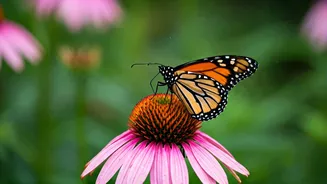
For years, pollinator gardening focused almost exclusively on providing nectar-rich flowers for adult butterflies. While important, that’s only half the story. Butterflies have a four-stage life cycle: egg, larva (caterpillar), pupa (chrysalis), and adult. The new trend recognizes that to have butterflies, you must first feed their young. This means planting “host plants”—the specific plants that caterpillars need to eat to survive. A Monarch butterfly, for example, will only lay its eggs on milkweed. Black Swallowtails need plants from the carrot family, like parsley, dill, or fennel. By including host plants, you’re not just inviting butterflies to visit for a meal; you’re inviting them to move in and raise a family.
Embrace the Power of Natives
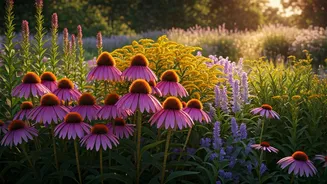
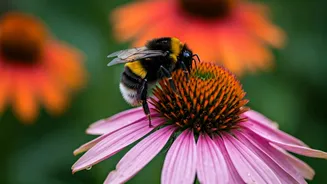
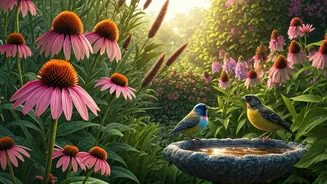
The backbone of this gardening trend is a heavy reliance on native plants. These are the grasses, perennials, and shrubs that have co-evolved for thousands of years with the local wildlife, including butterflies. Unlike many exotic ornamentals from big-box stores, native plants are perfectly suited to your region’s soil, rainfall, and climate, meaning they often require less water, fertilizer, and fuss once established. More importantly, they are the food source that local insects are adapted to eat. A native oak tree can support over 500 species of caterpillars, whereas a non-native Ginkgo tree supports almost none. Choosing natives like coneflower, black-eyed Susan, Joe Pye weed, or local aster varieties is the single most effective way to ensure your garden is providing real, tangible benefits to butterflies and other pollinators.
Let It Flow with Layers
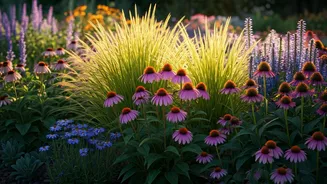
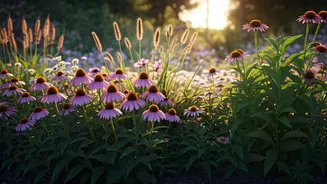
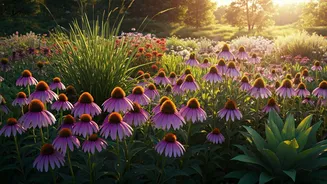
Meadowscaping design is about creating a visual tapestry. Instead of planting single specimens, gardeners group plants in drifts and swathes, just as they would appear in a natural field. This creates a more powerful visual cue for passing pollinators. A successful design incorporates layers: a base of native grasses, a middle layer of sturdy perennials like bee balm and phlox, and taller, airier plants like verbena or bluestar that add height and movement. This structure provides shelter from predators and weather, while a mix of bloom times ensures there’s always something flowering from early spring to late fall. This continuous food supply is critical for supporting butterfly populations throughout the entire season.
How to Start Small
The idea of converting your entire yard can feel overwhelming, but you don’t have to. This trend is scalable. You can start by replacing a small, hard-to-mow patch of lawn with a mini-meadow. Carve out a new border along a fence or driveway and fill it with native perennials. Even apartment dwellers can participate by planting a container with a compact native like butterfly weed alongside herbs like dill and parsley. The key is to start somewhere. Even one or two host plants can make a difference. Observe what thrives, learn what butterflies visit, and let your habitat garden grow with your confidence.