


Not the Fruit You Think It Is
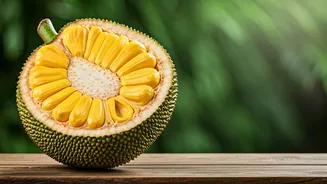
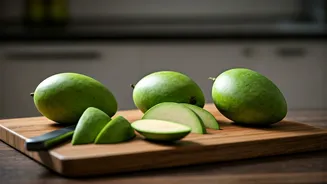
Before we go any further, let’s clear up the single most common mistake people make with jackfruit. If you’ve ever bought a sweet, golden, bubblegum-scented pod from an Asian market, you’ve eaten ripe jackfruit. It’s delicious as a snack or in desserts.
But for savory cooking, this is not the jackfruit you’re looking for. The magic ingredient for curries, tacos, and pulled “pork” sandwiches is young, green jackfruit, harvested before its sugars have developed. Typically sold canned in brine or water, it has a neutral, slightly starchy flavor profile, much like a potato or a heart of palm. This blank canvas quality is its greatest strength, allowing it to become a vessel for whatever flavors you throw at it. So, when you’re at the grocery store, head for the canned goods aisle, not the fresh produce section, and make sure the label says “young” or “green” jackfruit.
The Secret Is in the Shred
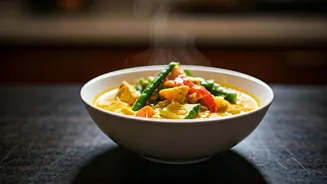
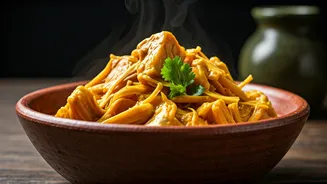
The true genius of young jackfruit lies in its texture. When cooked, its fibrous structure breaks down in a way that’s uncannily similar to slow-cooked meat. It shreds. This is the quality that has made it a darling of the plant-based world. While tofu is silky and tempeh is firm, jackfruit offers a stringy, toothsome quality that can replicate the mouthfeel of pulled chicken or pork. In a curry, this textural transformation is what elevates the dish from a simple vegetable stew to something deeply satisfying. As the jackfruit simmers in a coconut milk-based sauce, it softens and can be easily pulled apart with a fork, creating a complex dish with layers of texture. This ability to provide a hearty, substantial bite is what makes it feel so comforting—it delivers the heft and chew we often associate with traditional, meat-based comfort foods.
A Blank Canvas for Bold Flavors
Because young jackfruit is so neutral, it acts like a flavor sponge. This makes it the perfect partner for the complex, aromatic spice blends found in curries from across the globe. Whether it’s a Thai red curry with its notes of galangal and lemongrass, a Jamaican curry rich with allspice and turmeric, or an Indian masala fragrant with cumin and coriander, the jackfruit soaks it all up. Unlike some vegetables that contribute their own strong flavor to a dish, jackfruit allows the sauce to be the star. The fruit’s mild taste doesn’t compete; it yields, becoming thoroughly infused with the spices. The result is a dish where every bite is a burst of the curry itself, carried on a wonderfully textured vehicle. It's a culinary partnership that feels both intentional and incredibly effective, creating a depth of flavor that is often hard to achieve in quick vegan cooking.
Centuries of Comfort Cooking
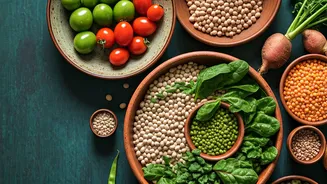
While jackfruit may feel like a modern food trend in the U.S., it has been a staple comfort food in South and Southeast Asia for centuries. In Sri Lanka, a curry made with young jackfruit, known as *polos*, is a beloved national dish. In the Indian state of Kerala, it's a key ingredient in many traditional meals. There, it isn't seen as a “meat substitute” but simply as a delicious, hearty vegetable in its own right. This long history adds a layer of authenticity to its role as a comfort food. When you make a jackfruit curry, you’re not just participating in a contemporary vegan fad; you’re tapping into a long-standing culinary tradition. It’s a reminder that plant-based cooking can be rooted in history and culture, providing the same sense of warmth and heritage that we find in our own family’s classic recipes. It’s also worth noting that while it excels in texture, jackfruit is not a high-protein food, so it’s best paired with other protein sources like chickpeas or lentils in a meal.