


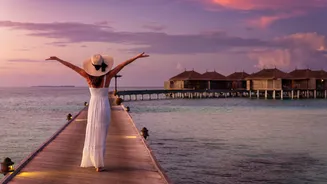
The Rise of the Destination Stay
For decades, the hotel was merely a functional home base—a place to drop your bags before a day of relentless exploring and a place to crash after a late dinner. Its quality was judged by its cleanliness and proximity to the “real” attractions. But a significant
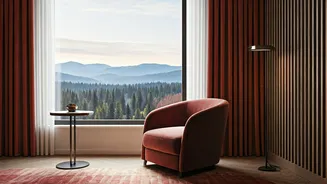
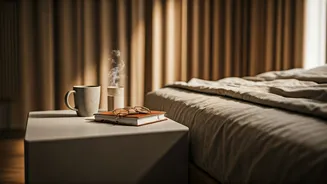
shift is underway. For a growing number of American travelers, the accommodation is no longer a footnote; it’s the headline. This isn’t just about luxury. It’s about intentionality. Travelers are actively seeking out unique Airbnbs with stunning views, boutique hotels with curated experiences, and resorts that function as self-contained worlds. The goal has evolved from ‘seeing everything’ to ‘feeling something’—and that feeling is often found in the quiet moments within the four walls of a carefully chosen stay. The new travel currency isn’t a long list of sights seen, but the quality of the stillness found.
A Cure for Chronic Burnout
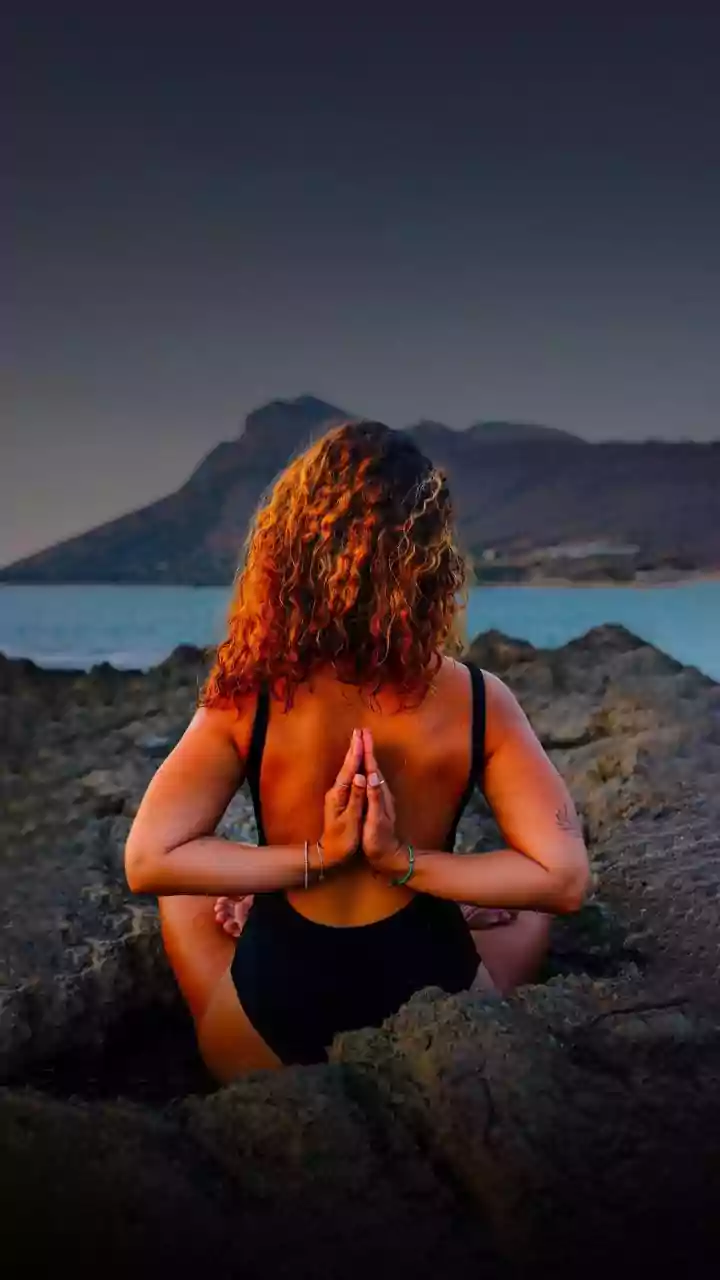
What’s driving this change? In a word: burnout. The post-pandemic world has left many of us feeling perpetually drained, tethered to our devices, and overstimulated. The idea of using precious vacation days to sprint through a crowded city, navigating public transport and standing in long lines, feels less like a reward and more like an extension of our stressful daily lives. The traditional, high-intensity vacation model requires a level of planning and energy that many people simply no longer have. In response, travelers are seeking genuine recuperation. They crave a vacation that actually leaves them rested. This has given rise to “slow travel,” where the point is not to do more, but to do less, more deeply. A trip’s success is measured not by the number of photos taken at landmarks, but by how recharged you feel upon returning home.
When the Hotel Becomes the Influencer
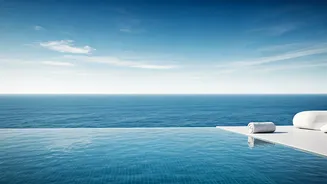
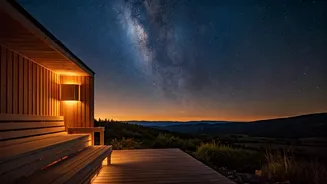
It’s impossible to ignore the role of social media in this shift. While Instagram once glorified the whirlwind trip through Paris or Tokyo, it now also romanticizes the aesthetic of the stay itself. A perfectly designed cabin in the woods, an infinity pool overlooking a desert landscape, or a chic hotel lobby with impeccable decor are all destinations in their own right. Hotels and rental property owners have become savvy to this, designing their spaces to be not just comfortable, but photogenic. The stay has become a status symbol and a key part of the travel narrative. People aren't just booking a room; they're booking a backdrop for their lives, a stage for creating content, and an experience that’s as shareable as the Eiffel Tower. The amenity list—featuring everything from in-house mixology classes to private yoga sessions—is now as important as the map of the surrounding area.
From Tourist to Temporary Local
This trend isn’t about becoming lazy or uncurious. In fact, it often represents a desire for a deeper, more authentic connection to a place. By prioritizing the stay, travelers are giving themselves permission to slow down and sink in. Instead of racing between tourist traps, they might spend the morning at the local bakery recommended by their Airbnb host, the afternoon reading by the pool, and the evening trying to cook with ingredients from a nearby market. This approach transforms the traveler from a passive observer into an active participant, albeit on a smaller, more intimate scale. It redefines “sightseeing” from seeing famous buildings to seeing how life is actually lived in a different place. It’s a move away from performative tourism and toward a more personal, sustainable form of exploration where the goal is to inhabit a space, not just pass through it.