





Your Scalp Is Skin, After All
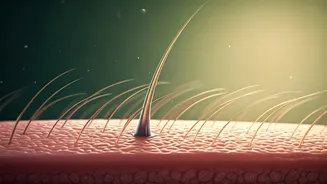
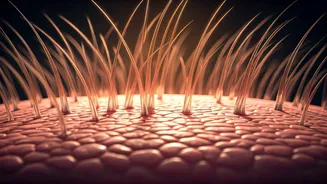
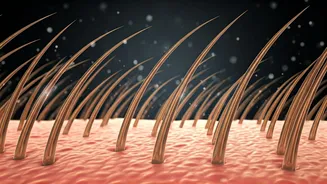
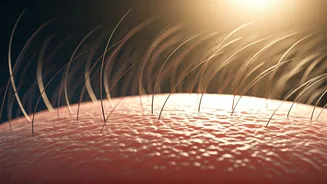
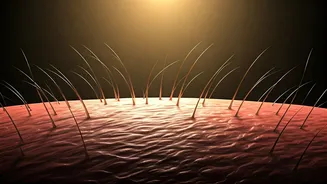
It’s an obvious fact we tend to forget: the skin on your head is, well, skin. It has pores, produces oil (sebum), and sheds dead cells, just like the skin on your face. And just like your face, it needs a dedicated routine to stay balanced and healthy.
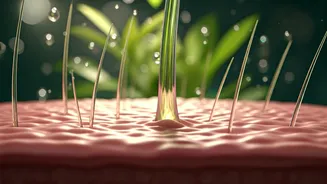
Think of your scalp as the soil in a garden; you can't expect vibrant flowers to grow from depleted, clogged-up dirt. Each hair on your head grows from a follicle, and the health of that follicle is entirely dependent on the condition of the scalp surrounding it. When the scalp is plagued by product buildup, excess oil, inflammation, or dryness, it can obstruct follicles, weaken the hair root, and ultimately lead to dullness, breakage, and even slower growth.
Step 1: Cleanse with Purpose
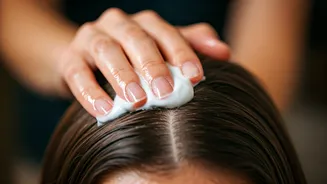
Most of us shampoo on autopilot, but a next-level cleanse is the cornerstone of scalp care. The modern reliance on dry shampoo, styling creams, and hairsprays creates a stubborn layer of buildup that a quick, sudsy wash might not remove. This residue can clog hair follicles, leading to irritation and disrupting the natural growth cycle. To combat this, consider a two-pronged approach. First, incorporate a clarifying shampoo into your routine once a week or every few washes. These are formulated to act like a deep detox, cutting through oil and product residue. Second, try the “double cleanse” method popular in skincare. The first wash breaks down oils and buildup, while the second wash cleans the scalp itself. When you lather up, use the pads of your fingers—not your nails—to gently massage your scalp for at least a minute to stimulate blood flow and effectively clean the skin.
Step 2: Exfoliate Gently but Effectively
You exfoliate your face to remove dead skin cells and reveal a brighter complexion, so why not your scalp? Scalp exfoliation is a game-changer for removing the buildup that shampoo alone can't tackle. It helps keep follicles clear, reduces flakiness, and creates an optimal environment for hair to grow. You have two main options here. Physical exfoliants, or scalp scrubs, use ingredients like sugar or finely ground seeds to manually buff away dead skin and debris. They provide instant gratification but should be used gently to avoid causing micro-tears. Chemical exfoliants are serums or pre-shampoo treatments that use acids like salicylic acid (a beta-hydroxy acid, or BHA) or glycolic acid (an alpha-hydroxy acid, or AHA) to dissolve the bonds holding dead skin cells together. These are often gentler and can be particularly effective for oily or flaky scalps. Whichever you choose, start with once a week and see how your scalp responds.
Step 3: Massage for Blood Flow
A scalp massage is more than just a relaxing indulgence; it’s a functional step with real benefits. Massaging the scalp helps increase blood circulation, which is crucial for hair health. Your blood is what carries vital oxygen and nutrients to your hair follicles. Better circulation means your follicles are better fed, which can support stronger, healthier hair growth. You don't need a professional to reap the rewards. Simply use your fingertips to apply firm, circular pressure across your entire scalp for a few minutes each day. It can be done on dry hair or while you’re shampooing in the shower. For an upgrade, consider a silicone scalp massager. These handheld tools can help distribute shampoo more evenly and provide a more vigorous, stimulating massage than fingers alone.
Step 4: Treat and Moisturize
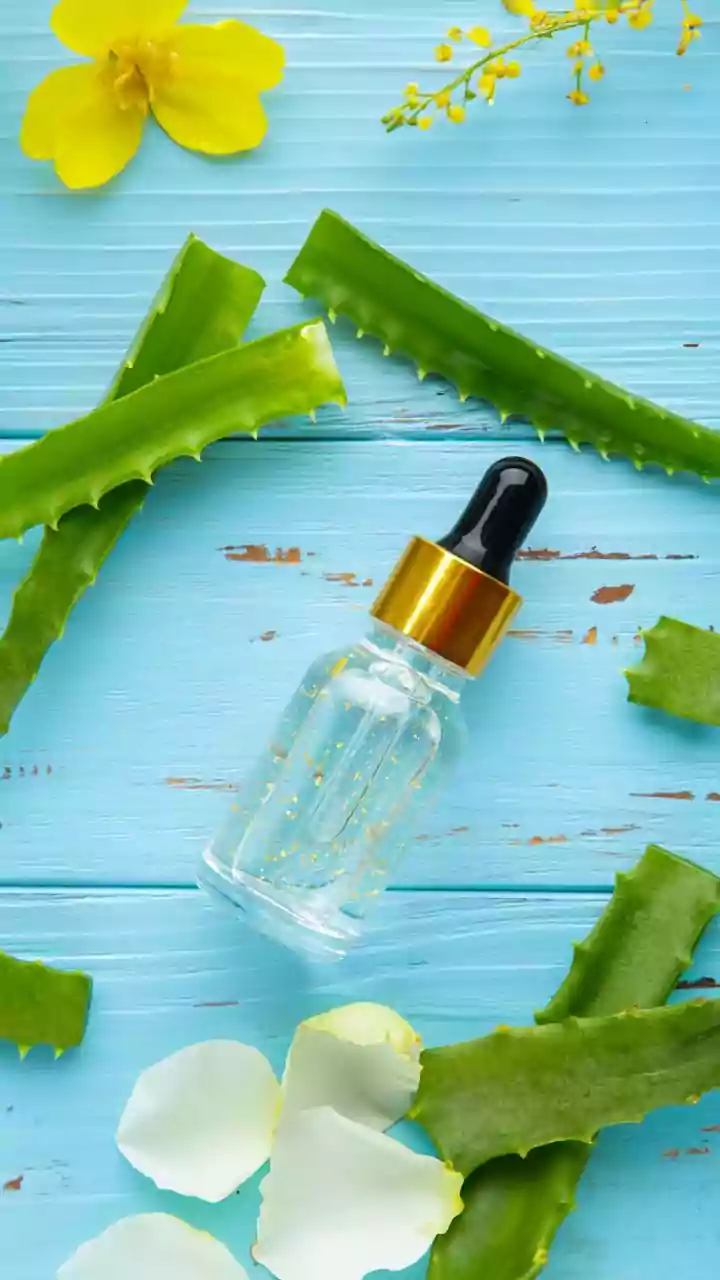
The final step is to treat your scalp with targeted ingredients, just as you would use a serum on your face. Scalp serums and leave-in treatments are becoming increasingly popular, designed to address specific concerns. If your scalp feels tight and dry, look for treatments with hydrating ingredients like hyaluronic acid or aloe vera. If you struggle with oiliness or mild irritation, ingredients like tea tree oil, witch hazel, or niacinamide can help balance sebum production and soothe inflammation. For those focused on promoting growth and fullness, serums containing peptides, caffeine, or rosemary oil can help invigorate follicles. Apply these treatments directly to the scalp on clean, damp hair and gently massage them in. They are typically lightweight and won’t weigh your hair down.