






From Leftovers to a Philosophy
When you hear “no-waste,” you might picture someone meticulously scraping their plate clean or dutifully taking home a doggy bag. But in the world of professional cooking, the concept is far more radical and systemic. No-waste, or zero-waste, dining isn’t
about managing leftovers; it’s a philosophy that redesigns the entire restaurant operation to eliminate trash before it’s even created. It starts with sourcing—partnering with local farms to take “ugly” produce, buying whole animals to use every part, and rejecting ingredients that come in excessive plastic packaging. From there, it influences every step of the kitchen workflow, from the prep station to the final garnish. The goal is to see every single ingredient not as a single-use item, but as a collection of possibilities.
The Root-to-Stem Revolution
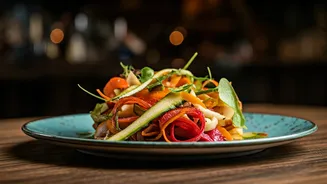
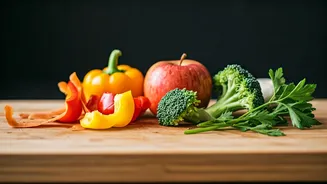
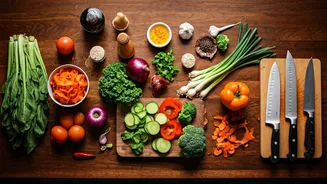
The real magic of no-waste dining happens on the cutting board. Chefs embracing this ethos have become masters of culinary alchemy, turning what was once destined for the compost bin into menu highlights. Carrot peels are dehydrated and blitzed into a savory dust for seasoning. Stale bread is transformed into miso or a rich, beer-like ferment. Fish bones and heads are simmered into intensely flavorful broths, while the collars—often discarded—are grilled as a delicacy. This “root-to-stem” and “nose-to-tail” approach forces a level of creativity that fixed menus rarely allow. Instead of ordering uniform cuts of meat or perfect-looking vegetables, these kitchens adapt to what’s available, finding delicious uses for broccoli stems, cauliflower leaves, and cheese rinds. The result is a dining experience that’s not just sustainable, but often more inventive and surprising.
Beyond the Plate
True zero-waste restaurants understand that food scraps are only part of the problem. The movement extends to every corner of the business. Single-use items are the first to go. Plastic wrap is replaced with reusable wax cloths or containers. Paper napkins are swapped for washable linen. Instead of disposable coasters, you might find pieces of repurposed leather. Some trailblazing establishments, like Silo in London or Blue Hill at Stone Barns in New York, take it even further. They filter and carbonate their own water to eliminate glass bottle deliveries. They receive milk in reusable churns and grind their own flour to avoid paper bags. Furniture is often made from upcycled materials, and food waste that simply cannot be used is composted on-site, with the resulting soil often going back to the farms that supply the restaurant. It’s a closed-loop system that aims to leave no trace.
The Delicious Burden of Creativity
While the result feels effortlessly virtuous to the diner, running a no-waste kitchen is incredibly demanding. It requires more labor, more skill, and more foresight than a conventional restaurant. Staff must be trained to see potential in every scrap. Menus can’t be static; they must be fluid, changing daily based on what trim is available from yesterday’s service or what a farmer has in surplus. This constant improvisation is both a challenge and a source of immense culinary freedom. It fosters a deeper connection between the chef, the ingredients, and the environment. For diners, it means no two visits are ever quite the same. You aren’t just ordering a dish; you’re participating in a dynamic, living ecosystem where creativity is the ultimate renewable resource.