


The Queen of Hills Awakens
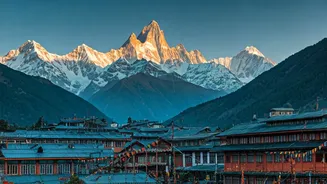
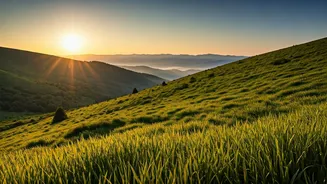
For Americans accustomed to summer getaways involving beaches or national parks, Shimla offers a different kind of escape. Perched high in the Himalayan foothills, this city is a stunning tapestry of colonial history and vibrant Indian culture. Its very
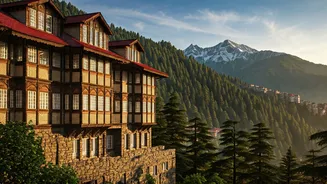
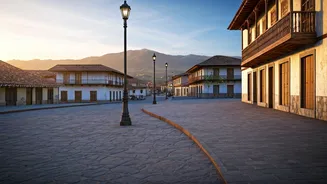
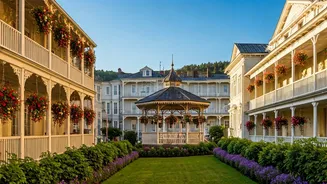
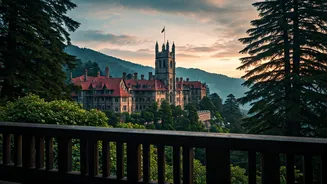
existence is a testament to the pursuit of summer comfort. During the British Raj, the entire government would decamp from the scorching plains of Delhi to this cool, forested refuge. The legacy of that era is everywhere: in the neo-Gothic Christ Church dominating the skyline, the Victorian architecture of the Viceregal Lodge, and the charming, pedestrian-only artery known as the Mall Road. But while its history is fascinating, Shimla’s present-day summer identity is what makes it truly electric. As temperatures rise across India, the city doesn’t just cool off; it comes alive.
The Shimla Summer Festival
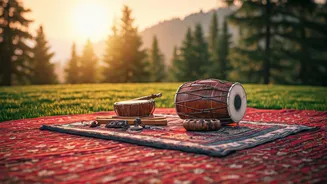
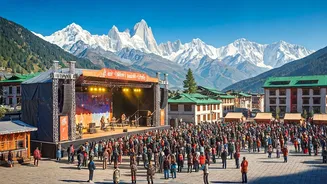
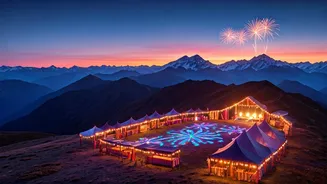
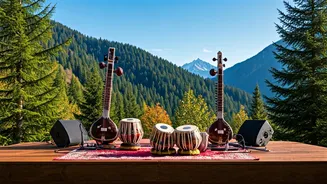
The centerpiece of the season is the Shimla Summer Festival, an annual event typically held in early June that transforms the city’s heart into an open-air cultural carnival. For days, The Ridge—a large, open space offering panoramic views of the snow-capped peaks—becomes the main stage. The festival, which has been a tradition since the 1960s, is a kaleidoscopic celebration of Himachali culture and national talent. By day, you might see folk dancers in brightly colored, hand-woven costumes performing traditional Nati dances, their movements telling ancient stories. By night, the stage could be taken over by a rising Bollywood playback singer or a beloved classical musician, their melodies echoing across the mountains under a canopy of stars. It’s a disarmingly democratic affair, where tourists, families, and locals all gather on the promenade, sharing in the collective joy.
More Than a Music Fest
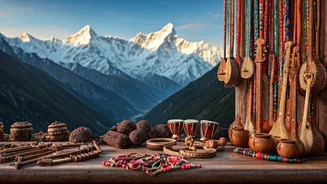
But the “festival energy” isn’t confined to a single stage. It spills out into every corner of the city. The Mall Road, free of cars, becomes an even more vital promenade. Families stroll, couples enjoy ice cream, and vendors sell everything from roasted corn on the cob (bhutta) seasoned with lime and spices to intricate wooden crafts from the nearby Lakkar Bazaar. The festival often includes charming sideshows: flower shows bursting with hydrangeas and lilies, a dog show featuring proud local pups, and photography exhibitions capturing the region's staggering beauty. It’s a city-wide celebration of life, art, and the simple pleasure of being in a beautiful place at the perfect time of year. This isn't a fenced-off, ticketed event; it's the entire town putting on its best face for visitors and for itself.
A Culinary and Cultural Feast
The energy is also a feast for the palate. Food stalls pop up, offering a chance to sample Himachali cuisine, which is often hearty, flavorful, and less known to the outside world than its North Indian counterparts. You might find sidu, a local steamed bread stuffed with savory fillings, or chha gosht, a succulent lamb curry made with yogurt. Beyond the festival-specific fare, Shimla’s cafes and restaurants buzz with activity. You can duck into the legendary Indian Coffee House for a dose of old-world charm and conversation, or find a trendy cafe overlooking the valley for a modern twist on local ingredients. The entire experience—the music, the mountain views, the historical backdrop, and the delicious food—blends into a singular, unforgettable feeling. It’s the sensation of being part of something lively and authentic, a cultural celebration that feels both deeply local and warmly welcoming to outsiders.