






Goodbye to the Quick-Fix Era
For decades, the fitness landscape was dominated by the allure of the “magic bullet.” It was an industry built on dramatic before-and-after photos and the promise of rapid transformation with minimal long-term effort. Think of the juice cleanses that
guaranteed a total-body reset in seven days, the workout DVDs that promised a six-pack in a month, or the endless parade of supplements that claimed to melt fat while you slept. The underlying message was that your body was a problem to be solved, and the solution was just one purchase away. This approach, centered on extreme calorie restriction and grueling, unsustainable workouts, often led to burnout, injury, and a cyclical sense of failure. The “no pain, no gain” mantra was taken literally, creating a culture where exhaustion was a badge of honor and rest was for the weak. But the gains were often temporary, and the pain—both physical and psychological—was all too real.
Enter the Longevity Mindset
Today, the conversation has fundamentally changed. The new buzzword isn’t “beach body,” it’s “longevity.” Instead of asking how to look good for a wedding in three weeks, people are asking how they can stay strong enough to play with their grandchildren in thirty years. This shift has given rise to what’s known as functional fitness—training for life, not just for the mirror. The focus is on building practical strength, improving mobility, and maintaining balance. Strength training, once seen as the domain of bodybuilders, is now widely embraced by people of all ages, especially women, for its crucial role in building bone density and preventing age-related muscle loss. Similarly, low-impact workouts like Pilates and Zone 2 cardio (steady-state exercise where you can still hold a conversation) are gaining popularity. They offer sustainable ways to build a robust cardiovascular system without the punishing impact of high-intensity-only routines. The goal is no longer a fleeting aesthetic but a durable, capable body for the long haul.
Your Wearable Is the New Coach
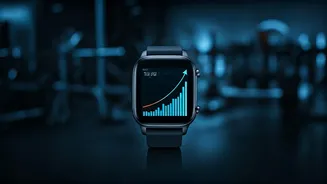
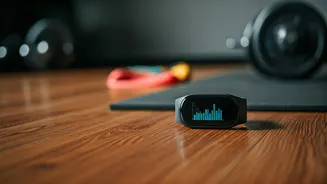
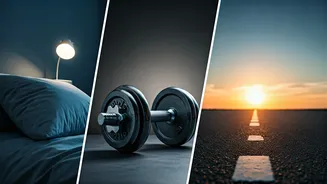
One of the biggest catalysts for this change is technology. The proliferation of wearable devices like the Apple Watch, Oura Ring, and Whoop strap has democratized personal health data. Fitness is no longer a black box. Instead of guessing how a workout affected them, people can now see concrete data on their heart rate variability (HRV), sleep quality, and overall recovery. This has shifted the focus from dogma to data. We’re moving away from rigid, one-size-fits-all programs and toward personalized, responsive routines. Your wearable might tell you that after a poor night’s sleep, a restorative yoga class is a better choice than a punishing HIIT session. This data-driven approach empowers individuals to listen to their bodies—and have the metrics to back it up. It fosters a more intuitive and less judgmental relationship with exercise, where progress is measured not by the scale, but by improvements in sleep, recovery, and overall energy levels.
It’s Not Just About the Burn
Perhaps the most profound shift is the growing recognition that fitness is inextricably linked to mental and emotional well-being. The post-pandemic world has amplified our collective need for stress relief, and exercise is increasingly viewed as a primary tool for managing anxiety and boosting mood. This has led to the rise of mindful movement, where the intention is not to burn calories but to connect with your body and calm your mind. Practices like yoga, tai chi, and even simple daily walks are being celebrated for their mental health benefits. The trend of “cozy cardio” on social media—gentle, enjoyable movement at home—underscores this new philosophy: any movement is good movement, as long as it feels good. The gym is no longer just a place to sweat; it’s a space for community, stress release, and self-care. This holistic view reframes exercise from a chore to a vital act of personal wellness.