


The Rise of the Airport Aesthetic
Scroll through TikTok or Instagram Reels, and you’ll find it everywhere: the airport aesthetic. It’s a whole genre of content dedicated to the act of travel itself. Creators share everything from their pre-flight skincare routines and airport outfits
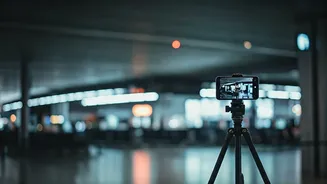
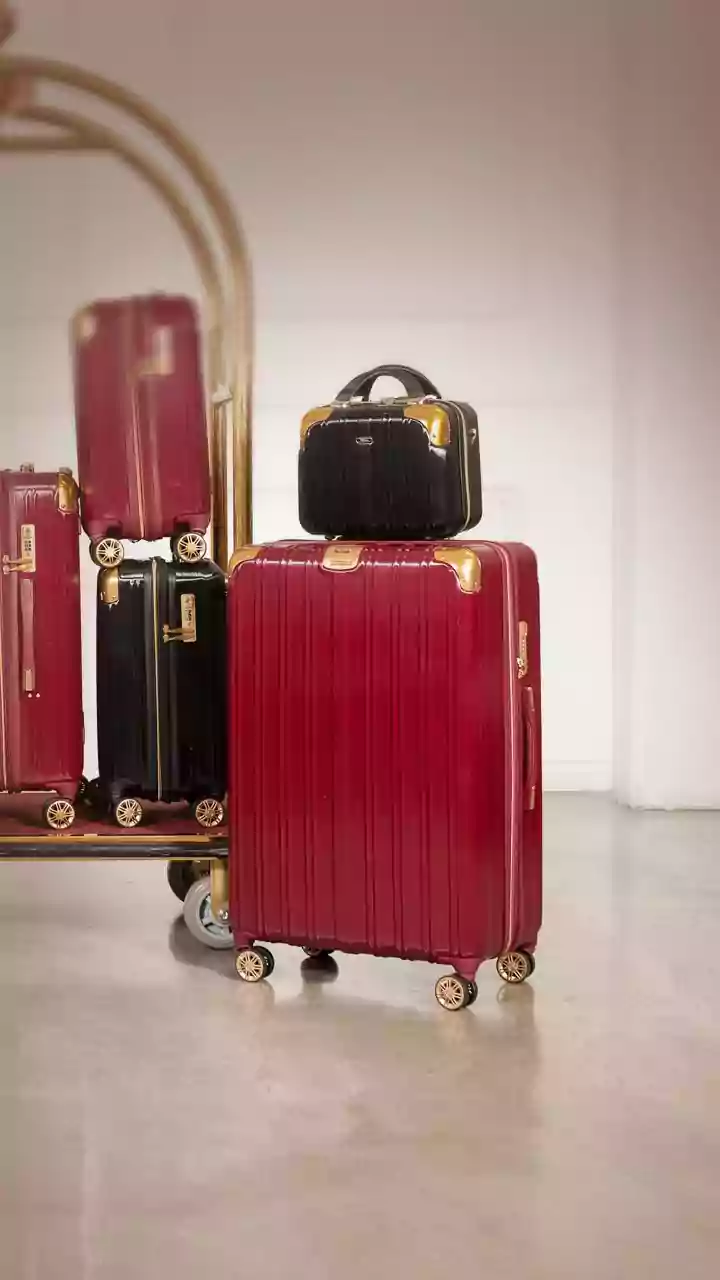
('OOTDs') to hyper-organized packing videos and point-of-view walkthroughs of lounges and terminals. For millions of viewers, this content is both aspirational and practical, offering tips and a glimpse into a smoother, more stylish travel experience. For creators, the airport is a content goldmine—a relatable setting with endless opportunities to showcase products, partnerships, and a desirable lifestyle. The trend democratized travel vlogging, moving it from polished YouTube documentaries to bite-sized, seemingly authentic moments anyone with a smartphone could capture.
Where Filming Becomes a Federal Issue
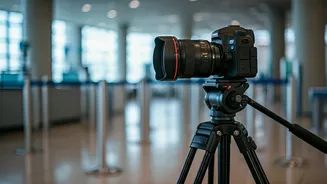
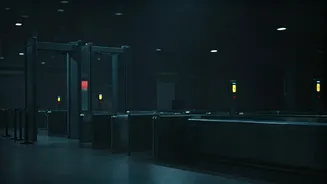
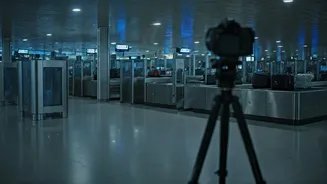
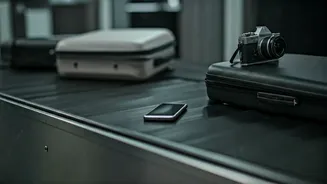
The problem isn't filming your latte at the gate or showing off your new suitcase in the main terminal. Airports are generally considered public spaces, and photography or videography for personal use is widely permitted in areas like ticketing lobbies, baggage claim, and concourses. The conflict arises at one specific, high-stakes location: the TSA security checkpoint. The Transportation Security Administration has a clear and strict policy. While you can film the general area, you are prohibited from recording the monitors that display X-ray scans of baggage. More importantly, you cannot film TSA officers themselves or the screening process in a way that interferes with their duties. The agency states that filming is allowed as long as it doesn't slow down the line or interfere with screening, but in practice, officers have broad discretion to shut down any recording they deem disruptive or a security risk.
The 'Reality Check' for Creators
The “reality check” is the sudden, often awkward enforcement of these rules. Numerous creators have shared stories of being sternly told by TSA agents to stop filming. While arrests are rare for this alone, consequences can include being pulled aside for additional screening, having to delete footage, or simply facing a tense confrontation that ruins the breezy vibe of their content. This crackdown isn't necessarily new, but it has become more visible as more people try to capture every moment of their journey. The core tension is that the most 'compelling' part of the airport journey for a video—the transition from the public world to the secure 'airside'—is the one place where filming is most restricted. Creators who built their brand on showing the *entire* process are now finding a critical scene is off-limits.
Why Security Is Not Content-Friendly
From the TSA's perspective, the restrictions aren't arbitrary. They are rooted in core security principles. Broadcasting detailed footage of screening procedures could potentially provide a roadmap for those looking to circumvent them. Even seemingly innocuous shots can reveal the positioning of cameras, the types of equipment in use, or standard operating procedures that are best kept confidential. Furthermore, the rules protect the privacy and safety of TSA officers, who are federal employees performing a sensitive job. Constant filming can be distracting and impede an officer's ability to focus on identifying potential threats. In a high-stakes environment where a single mistake can have catastrophic consequences, minimizing distractions is a top priority. The goal is to keep the screening process secure and efficient, and an impromptu film shoot works against both of those objectives.
What's Next for Airport Vlogging?
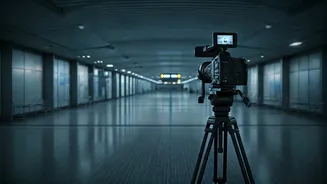
The friction with security is forcing airport content to evolve. Smart creators are adapting by finding new narratives. Instead of filming the security line, they are focusing more on pre-airport prep, in-lounge experiences, and post-security rituals like grabbing a coffee or finding their gate. Some are using creative editing, like a quick cut from before the line to after, to bypass the restricted zone altogether. This shift might ultimately make for less comprehensive but more security-compliant content. The era of casually rolling a camera through the entire airport journey is likely over. The new airport aesthetic will have to respect the bright line between public space and secure zone, proving that even in the world of endless online content, some boundaries are non-negotiable.