
More Than Just Comfort Food
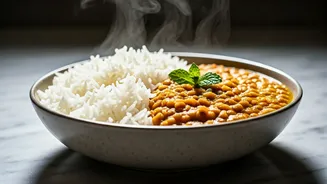
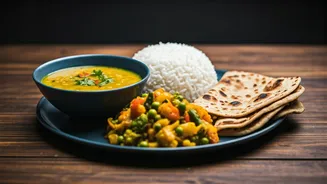
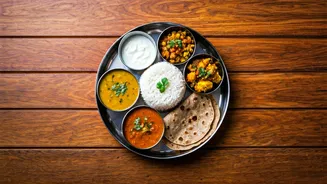
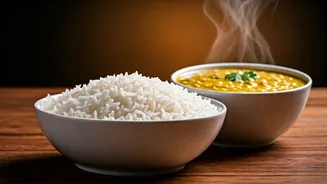
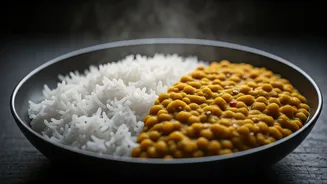
Across South Asia and in diaspora communities worldwide, the combination of dal (lentils or split pulses) and chawal (rice) is more than just a meal—it's a ritual. It’s the first solid food for babies, the restorative dish for the sick, and the dependable
weeknight dinner for everyone else. Yet, in the Western culinary landscape, it has often been overlooked, dismissed as peasant food or something too simple to be taken seriously. But as nutrition science evolves, it’s becoming clear that this ancient pairing isn't just a cultural touchstone; it’s a masterclass in food synergy, perfected over centuries not in a lab, but in home kitchens.
The Complete Protein Puzzle
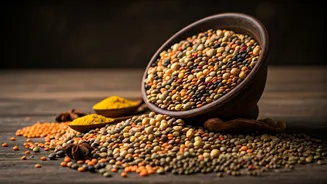
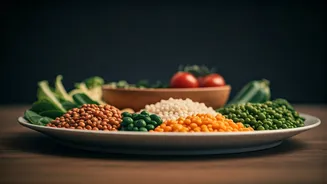
The single biggest reason dal-rice is earning scientific props is its protein profile. Most plant-based foods are considered “incomplete” proteins, meaning they lack one or more of the nine essential amino acids our bodies can't produce. This is where the magic of dal-rice happens. Rice is low in the amino acid lysine but has sufficient methionine. Lentils, on the other hand, are loaded with lysine but are low in methionine. When you eat them together, their amino acid profiles complement each other perfectly, forming a “complete protein” that is nutritionally comparable to meat, eggs, or dairy. Your grandmother didn't need a textbook to know this; she knew that together, they provided a feeling of sustained energy and fullness that neither could offer alone. This concept, known as protein complementation, is the scientific validation of a culinary tradition that has nourished millions for millennia.
A Masterclass in Fiber and Blood Sugar
If protein is the headline, fiber is the crucial supporting act. The concern with a rice-heavy diet is often its potential to spike blood sugar. White rice, being a refined carbohydrate, can be digested quickly, leading to a rapid rise and fall in glucose levels. Enter dal. Lentils are packed with soluble fiber, a type of fiber that forms a gel-like substance in the digestive tract. This gel slows everything down, including the absorption of sugar from the rice. The result? A much more stable and gradual release of energy. Instead of a sugar rush and crash, you get steady fuel. This high fiber content also promotes a feeling of fullness, preventing overeating and supporting weight management. It’s a built-in regulatory system that makes the meal far more balanced than its simple components suggest.
A Feast for Your Microbiome
The modern wellness conversation is obsessed with gut health, and here again, dal-rice shines. The combination of fibers from the lentils acts as a prebiotic, which is essentially food for the beneficial bacteria living in your gut. A happy, well-fed microbiome is linked to everything from improved immunity and digestion to better mental health. Furthermore, if the rice is cooked and then cooled (a common practice for leftovers), it develops resistant starch. This type of starch “resists” digestion in the small intestine and travels to the large intestine, where it also becomes a preferred food source for healthy gut microbes. So, that bowl of leftover dal and rice you reheat for lunch isn't just convenient; it might be even better for your gut than when it was freshly made.
The New Era of Appreciation
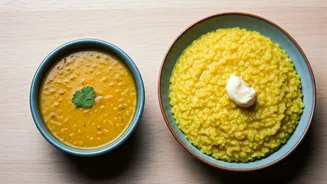
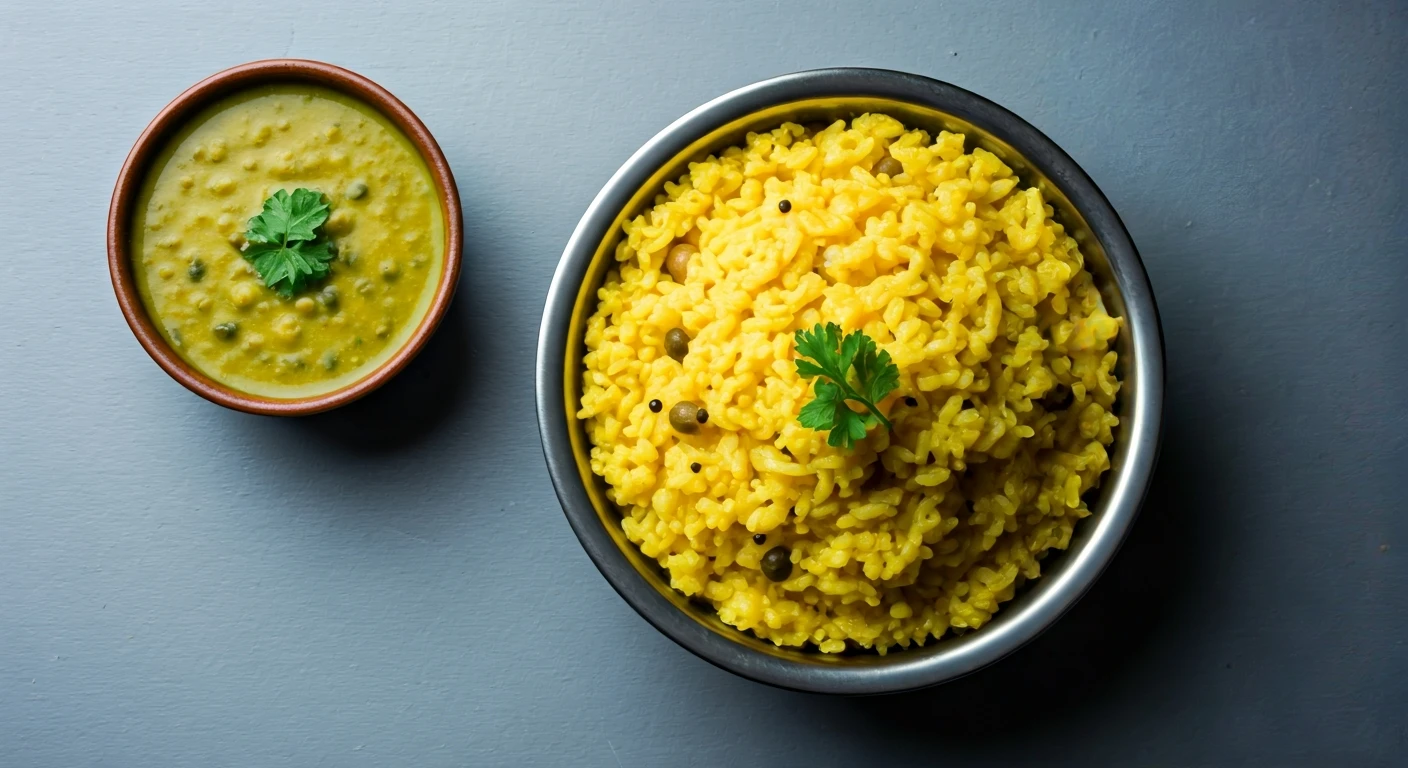
This scientific validation is fueling a new wave of appreciation. In the U.S., wellness influencers and chefs are rebranding kitchari—a specific type of dal and rice porridge—as a detoxifying, gut-healing superfood. Food tech companies exploring sustainable, plant-based nutrition are looking to the legume-grain model as a blueprint for future products. This humble dish, once relegated to the background, is now being celebrated for its efficiency, affordability, and profound nutritional intelligence. It’s a powerful reminder that sometimes, the most advanced solutions aren't found in a futuristic lab but have been sitting on our tables all along, waiting for us to understand the wisdom we inherited.