
Beyond the Minimalist Backlash
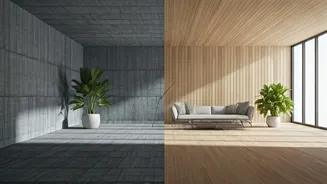
For the better part of two decades, the pinnacle of modern design was a kind of sleek, untouchable perfection. Think high-gloss finishes, sharp angles, and a palette of cool grays and stark whites. But a quiet revolution has been happening in our living
rooms and kitchens. We’re craving warmth, texture, and a sense of life in our spaces. This shift isn’t just a fleeting trend or a simple rejection of minimalism; it’s a return to something deeply ingrained in our psychology. The movement has a name: biophilic design. At its core, biophilia is the idea that humans have an innate tendency to seek connections with nature. When we bring natural materials, forms, and light into our homes, we’re not just decorating—we’re satisfying a fundamental need. This explains why a room filled with unfinished oak, soft linen, and curving ceramics feels less like a showroom and more like a sanctuary.
The Science of Feeling at Home
So, why does a slab of travertine or a wool throw blanket make us feel so good? The answer lies in our evolutionary wiring. For millennia, our survival depended on our ability to read natural environments. Our brains became adept at processing the subtle variations, fractal patterns, and tactile information found in nature. These elements signal safety, resources, and life. Studies in environmental psychology have shown that exposure to natural elements, even indoors, can reduce stress, lower blood pressure, and improve cognitive function. The smooth, varied grain of a wooden table engages our sense of touch in a way a lacquered surface cannot. The imperfect, organic texture of a jute rug provides a visual complexity that is stimulating without being overwhelming. In a world saturated with digital screens and synthetic materials, our senses are starved for this kind_of authentic, grounding feedback. Natural materials offer a multi-sensory experience that reminds our bodies and minds to relax.
The Core Materials of Comfort
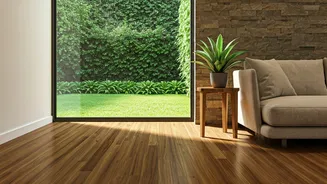
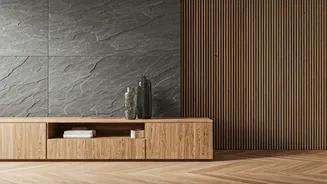
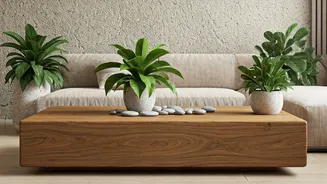
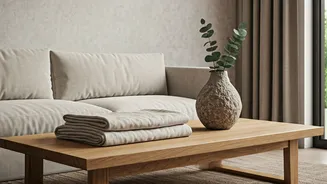
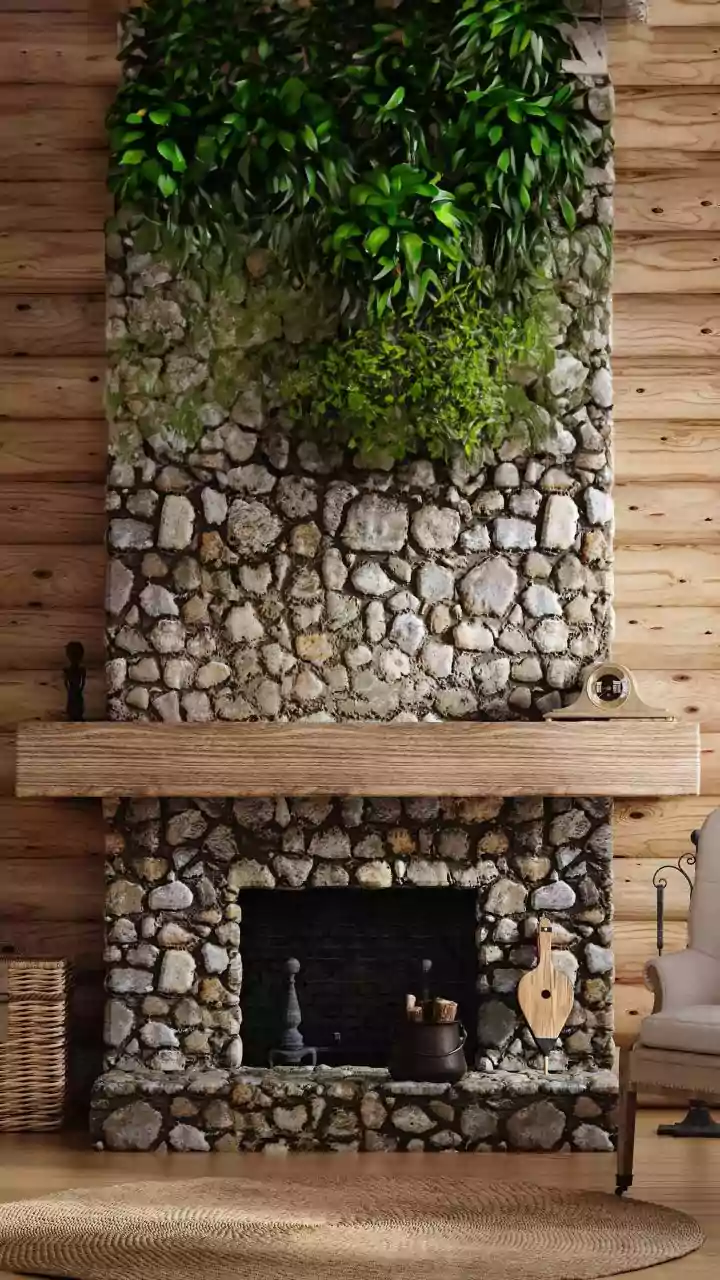
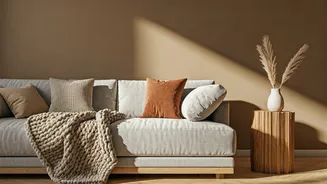
Bringing this feeling into your home is more accessible than you might think, and it revolves around a few key material groups. Wood is the undisputed star. Forget the dated, orange-toned pine of the past; today’s look is all about light oaks, warm walnuts, and pale maples, often with a natural or matte finish that lets the grain shine. Stone has also softened its image. Instead of highly polished, dramatic marble, designers are reaching for warmer, more textural options like travertine, limestone, and soapstone, which have a quiet, earthy elegance. In textiles, the focus is on natural fibers. Breathable linen for curtains and bedding creates an airy, relaxed feel. Wool and bouclé add cozy, touchable texture to upholstery and throws. And plant-based fibers like jute, rattan, and seagrass bring a rustic, handmade quality to rugs, lighting, and furniture. The goal isn’t to match everything perfectly, but to layer these different textures to create a rich, dynamic, and inviting environment.
Simple Ways to Start
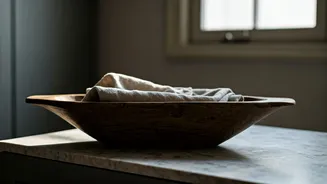
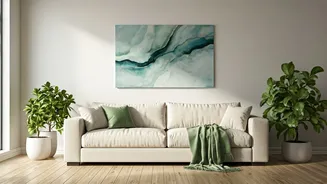
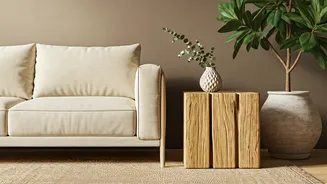
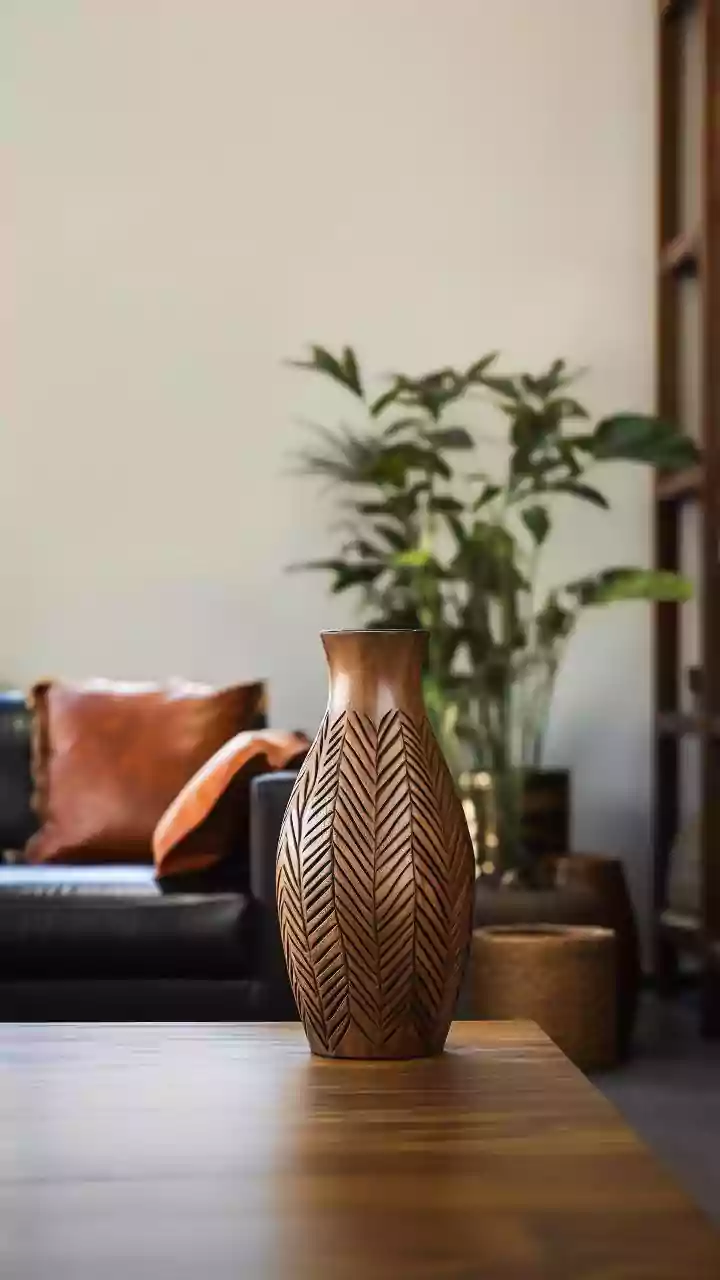
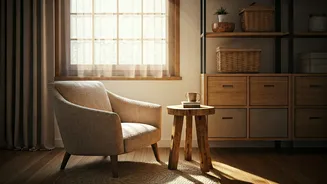
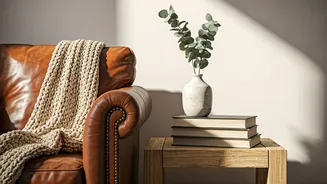
You don't need a full-scale renovation to make your home feel more human. Start small. Swap out a synthetic throw pillow for one made of linen or wool. Add a small wooden stool or side table to your living room. A ceramic vase with an organic, uneven shape—even empty—can act as a small sculpture. Plants are, of course, the most literal way to bring nature indoors. A fiddle-leaf fig in a corner or a few terracotta pots of herbs on a windowsill can instantly enliven a space. Pay attention to light. Sheer linen curtains that diffuse sunlight create a softer, more natural glow than heavy drapes or harsh blinds. Even something as simple as replacing a plastic cutting board with a beautiful acacia or walnut one can bring a small moment of natural connection into your daily routine. It’s about choosing items that have character, texture, and a story—pieces that feel good to see and to touch.