
More Than Just Beige
When you hear “calm interior,” you might picture a sterile, all-white room devoid of personality. But this trend is far more nuanced and soulful than minimalist clichés suggest. It’s not about emptiness, but about intention. A calm interior is a space
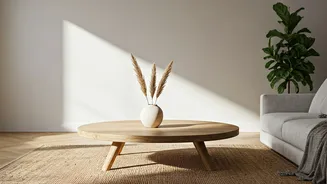
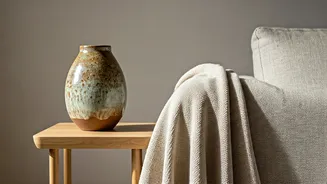
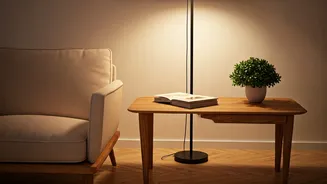
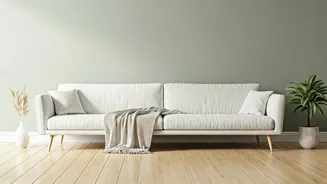
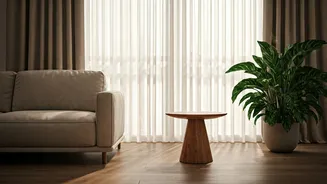
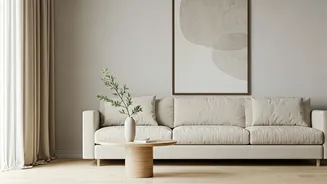
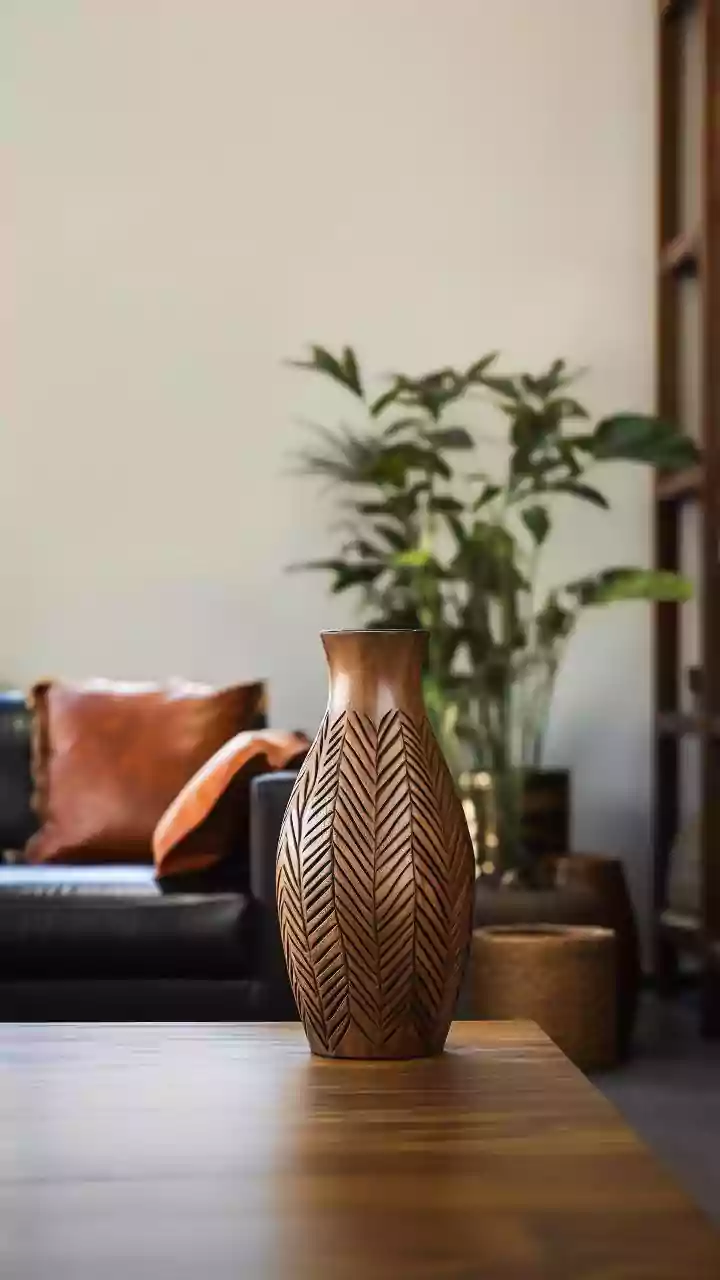
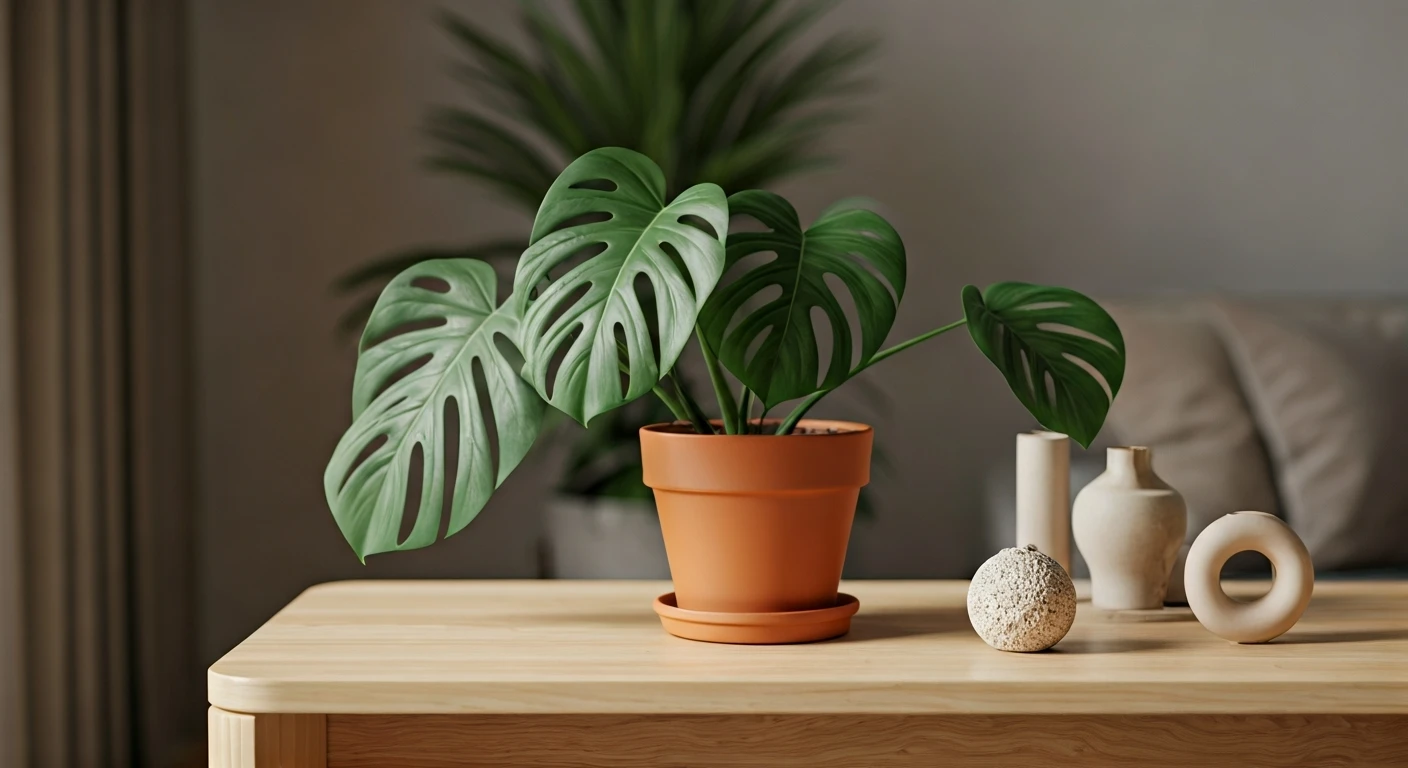
that has been thoughtfully edited to soothe the senses. Think less about a strict color palette and more about a feeling. It’s the soft texture of a linen curtain diffusing morning light, the organic grain of a wooden coffee table, and the absence of clutter that vies for your attention. This approach, sometimes linked to design philosophies like Japandi (a hybrid of Japanese and Scandinavian styles), prioritizes warmth, natural materials, and a deep connection between your environment and your well-being. It’s a quiet rebellion against the visual noise of both maximalist decor and our hyper-digital lives.
A Sanctuary From a Chaotic World
The rise of calm interiors isn't happening in a vacuum. It's a direct response to the pressures of modern American life. After years of being plugged in 24/7, experiencing a global pandemic that blurred the lines between work and home, and navigating a relentlessly loud cultural landscape, we’re collectively burnt out. Our homes have become the front line in the battle for mental peace. Where a home was once primarily a place to sleep and store our things, it’s now expected to be an office, a gym, a school, and, most importantly, a refuge. This trend signals a powerful cultural shift: we’re beginning to treat our mental and emotional health with the same seriousness as our physical health, and our environment is the first place we’re looking to make a change. A serene home is no longer a simple preference; it’s a form of self-care.
The Hallmarks of a Serene Space
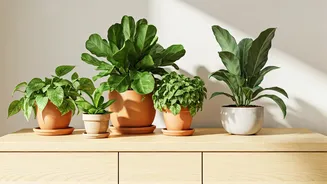
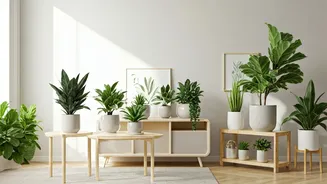
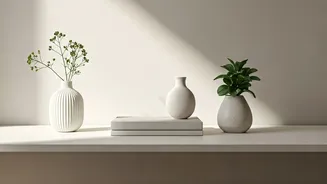
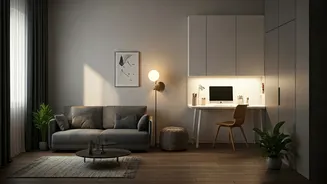
Achieving this sense of calm isn’t about a gut renovation or expensive shopping sprees. It’s about conscious choices. Natural materials are foundational; wood, stone, rattan, wool, and cotton ground a space and connect it to the natural world. Lighting is also crucial. Harsh overhead glare is replaced with layered, softer sources—a floor lamp for reading, a table lamp for ambiance, and dimmer switches to adjust the mood throughout the day. Another key element is purposeful decluttering. This isn't about getting rid of everything you love, but ensuring that what you keep has a purpose or brings you genuine joy. It’s about creating “visual quiet” so your mind has room to breathe. Finally, there's a gentle emphasis on biophilia, the human desire to connect with nature. Even a single well-tended houseplant or a clear view of the sky from a window can fundamentally lower stress levels and enhance the feeling of tranquility.
Luxury Has Been Redefined
For decades, luxury was synonymous with opulence—gilded fixtures, designer logos, and conspicuous displays of wealth. Today, that definition feels increasingly dated. The new luxury is quieter, more personal, and experiential. It’s the luxury of time, of headspace, and of feeling at ease in your own skin and in your own home. In this new paradigm, a calm, well-ordered interior is a more potent status symbol than a brand-name sofa. It signals that you have the resources—not just financial, but emotional and temporal—to curate an environment that actively supports your well-being. It says you value peace over prestige and contentment over consumption. This “quiet luxury” ethos, which has already swept the fashion world, has found its ultimate expression in the home, the one place where we have the power to truly control our surroundings and build a life that feels as good as it looks.