



1. Nature as an Essential Roommate
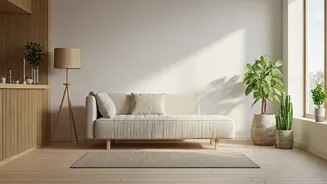
The single biggest driver of this 'human' shift is biophilia—our innate need to connect with nature. For years, a potted plant in the corner might have sufficed. By 2026, this evolves into a core design principle. We're not just talking about more houseplants;
we're talking about interiors designed around natural light, with large, unadorned windows becoming focal points. Materials will be drawn directly from the earth: unfinished wood, rough-hewn stone like Kota or Jaisalmer marble, and breathable textiles like linen and khadi. Balconies and verandas, once afterthoughts, are being reclaimed as lush, green sanctuaries. This isn't just about aesthetics; it's a wellness strategy, creating calming environments that offer a respite from the bustle of modern Indian cities. The goal is to blur the line between indoors and outdoors, making nature a constant, soothing presence in daily life.
2. The Soul of the Artisan
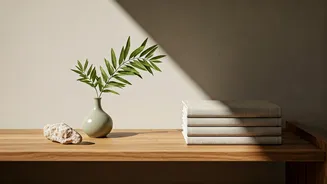
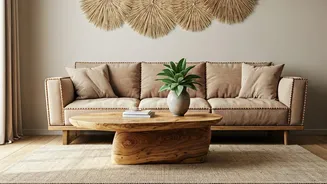
For too long, the design world flirted with mass-produced, factory-perfect furniture. The new Indian home is pushing back, celebrating the unique mark of the human hand. This trend is a powerful embrace of India's rich artisanal heritage. Think hand-thrown pottery from Andretta, intricate wood carvings from Saharanpur, or hand-woven dhurries from Rajasthan. These aren't just decorative objects; they are storytellers. Each slight imperfection—a subtle variation in glaze, the gentle unevenness of a woven pattern—is a testament to the person who created it. This focus on craftsmanship moves beyond mere decoration. It's about building spaces with soul, where residents are surrounded by objects that have a history, a purpose, and a tangible connection to a craftsperson. It’s the ultimate rejection of the disposable, creating homes that feel curated and timeless.
3. The 'Perfectly Imperfect' Aesthetic
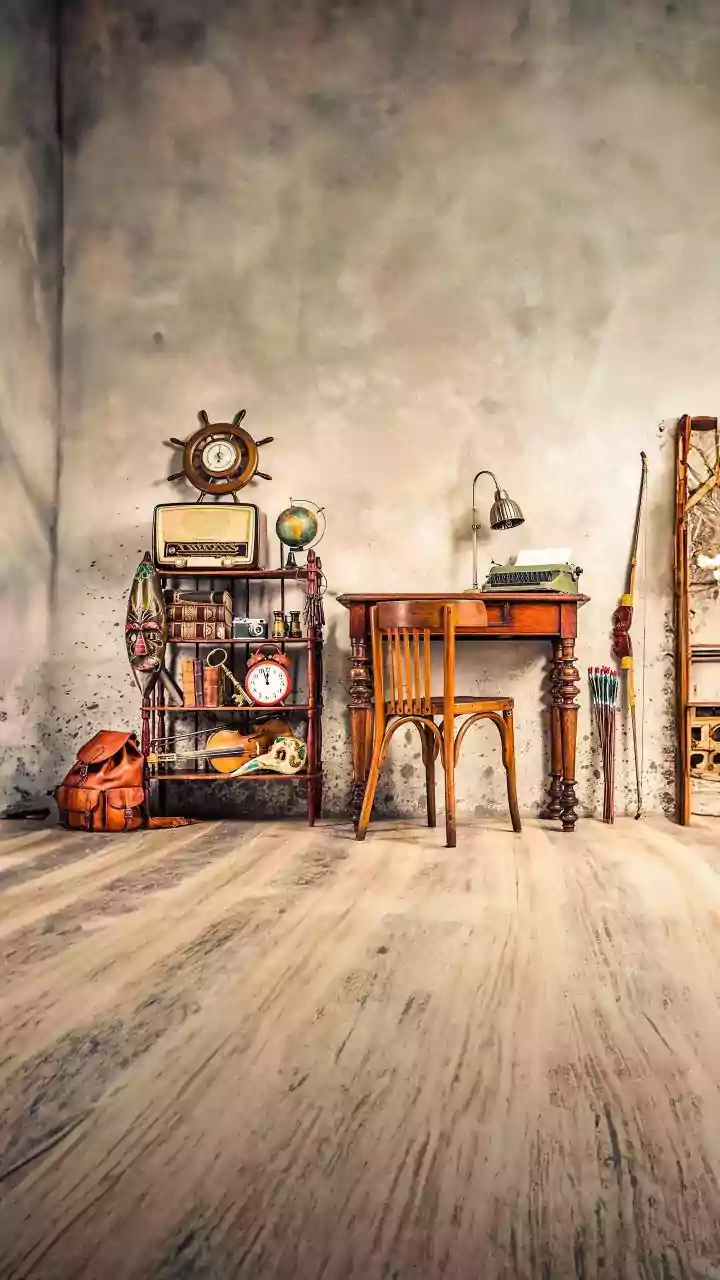
The pressure to maintain a flawless home is fading. In its place is an appreciation for spaces that look and feel lived-in. This is the Indian interpretation of 'wabi-sabi,' the Japanese philosophy of finding beauty in imperfection. It manifests as a move away from high-gloss, easily scratched surfaces and towards more forgiving, honest materials that age gracefully. Think patina on brass fixtures, the natural wear on a wooden dining table, or the comfortable fade of a block-printed cushion. This philosophy extends to styling, too. Instead of rigid, symmetrical arrangements, we're seeing more relaxed, personal collections of books, art, and travel souvenirs displayed with pride. A 'human' home isn't a museum; it’s an evolving canvas that reflects the joys, memories, and even the occasional messiness of the people who inhabit it.
4. Spaces for Connection and Solitude
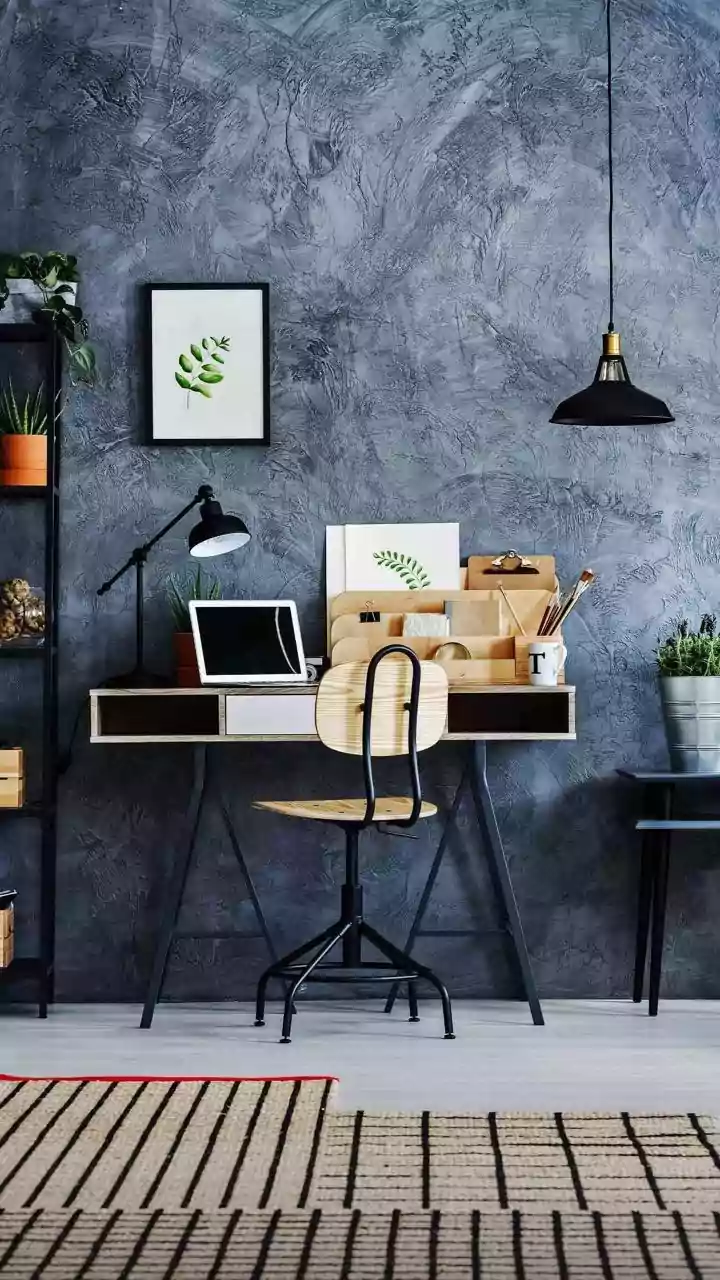
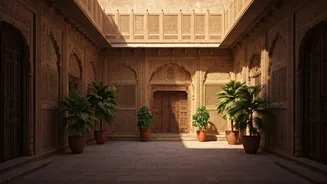
The pandemic didn't just teach us to work from home; it reminded us of the home's role as a family hub. The 'more human' interior of 2026 is designed for connection. We're seeing a modern reinterpretation of the 'aangan' or central courtyard—a common, flexible space where family members can gather, talk, and share moments. This could be a cozy reading nook with floor cushions, a large dining table that doubles as a workspace and game board, or a media room designed for group viewing. At the same time, there's a newfound respect for personal space. Even in smaller urban apartments, designers are carving out dedicated zones for solitude—a small meditation corner, a comfortable chair by a window, or a desk nook that feels separate from the main living area. The home becomes a balanced ecosystem, supporting both togetherness and individual well-being.