
The New Kitchen Counter Culture
In kitchens across America, a quiet revolution is taking place. Fueled by a desire for sustainability, a pinch of thriftiness, and a whole lot of creativity, home cooks are rethinking what belongs in the compost bin. This isn't about dutifully eating
leftovers; it's a full-blown culinary movement often called “root-to-stem” or “scrappy cooking.” The premise is simple: use the entire vegetable. This shift is driven partly by awareness of staggering food waste statistics—the EPA estimates that food is the single largest category of material placed in municipal landfills. But more than that, it’s propelled by the thrill of discovery. Social media platforms like TikTok and Instagram are flooded with vibrant images of dishes made from parts of plants we’ve been taught to discard for generations. It’s a grassroots trend that reframes waste reduction not as a chore, but as a delicious, creative challenge.
The Veggie Stem Revival
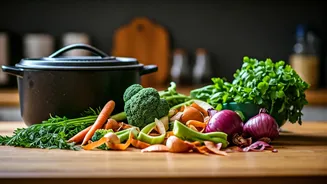
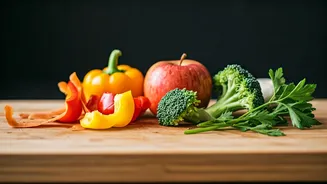
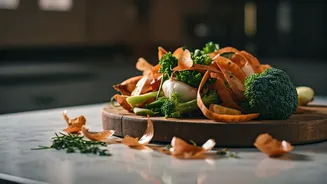
Let’s start with the most common casualty: the broccoli stalk. For decades, we’ve been told to chop off the florets and toss the thick, pale stem. No more. Scrappy cooks are peeling the tough outer layer and treating the tender core like a whole new vegetable. Sliced thin, it becomes a crunchy, refreshing slaw. Chopped into coins and roasted with olive oil and salt, it turns sweet and tender. Some blitz it into soups for a creamy, nutritious base, while others shred it to bulk up stir-fries and frittatas. The same logic applies to its cousin, the cauliflower stem, and the often-discarded stalks of kale and Swiss chard, which can be finely chopped and sautéed with garlic for a surprisingly delicious side dish. It’s a simple switch that effectively doubles the usable part of the vegetable.
When Greens Aren't Just for Garnish
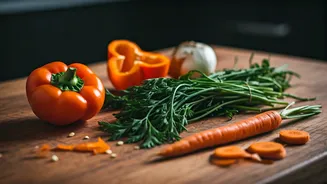
Those feathery green tops on your bunch of carrots? Don’t toss them. While slightly more bitter than parsley, carrot tops can be blitzed with olive oil, nuts, and Parmesan to create a zesty, earthy pesto that’s perfect for pasta or spreading on toast. The same goes for the greens on beets, radishes, and turnips. These leafy tops are packed with nutrients and can be treated just like spinach or kale. Sauté them with a little garlic and a squeeze of lemon for a quick, flavorful side, or chop them into soups and stews for an extra dose of green goodness. It’s an old-world, Depression-era sensibility reborn for the modern kitchen, where nothing that offers flavor and nutrition is overlooked.
The Humble Peel's Glow-Up
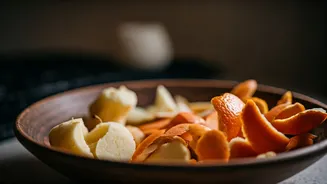
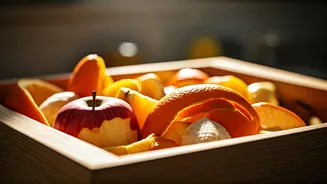
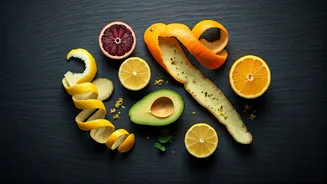
Potato peels are perhaps the ultimate symbol of kitchen waste, but they’re getting a major image overhaul. Instead of sending them to the bin, home cooks are tossing them with a bit of olive oil and seasonings, then roasting them until golden and crispy. The result is a snack that rivals the best potato chip—shatteringly crisp, full of flavor, and practically free. This technique isn't just for potatoes. Sweet potato peels crisp up beautifully, and even apple and pear peels can be baked with cinnamon and sugar for a crunchy topping on oatmeal or yogurt. Citrus peels, long used for zesting, are now being candied, infused into vinegars, or used to make “oleo-saccharum,” a bartender’s trick of muddling peels with sugar to extract flavorful oils for cocktails and lemonades.
Getting Started Without the Stress
The idea of a zero-waste kitchen can feel intimidating, but joining the scrappy cooking movement doesn’t require a complete lifestyle overhaul. The key is to start small. Pick one thing. Next time you buy carrots with their tops on, commit to making that pesto. When you use a head of broccoli, challenge yourself to use the stem. Keep a bag or container in your freezer for vegetable scraps—onion skins, celery ends, carrot peels—and when it’s full, simmer them in a pot of water for an hour to make a flavorful homemade stock. The goal isn’t perfection; it's curiosity. It’s about looking at an ingredient and asking, “What else can you give me?” before you let it go.