


A Historic Escape in the Clouds
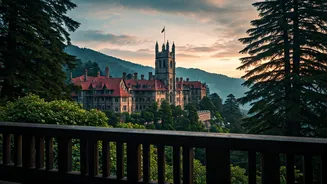
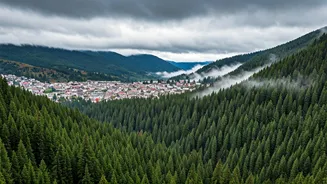
Before you can appreciate the festival, you have to appreciate Shimla itself. Perched at over 7,000 feet, this isn't just any mountain town; it was the official summer capital of British India. For nearly a century, the entire colonial administration
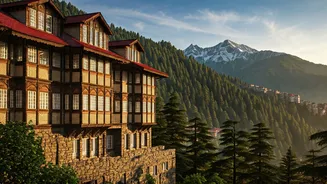
would decamp from the sweltering plains of Delhi and Kolkata to this cool, pine-scented haven. The result is a city with a distinctly European architectural accent—Gothic churches, mock-Tudor cottages, and grand administrative buildings line its winding roads. The town’s main artery, the pedestrian-only Mall Road and the adjacent Ridge, feels like a Victorian-era promenade transported to the Himalayas. This history isn’t just a backdrop; it’s the stage. The Summer Festival is the modern inheritor of this century-old tradition of seeking leisure, beauty, and cultural refinement in the mountains.
The Festival's Vibrant Heartbeat
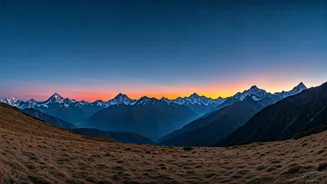
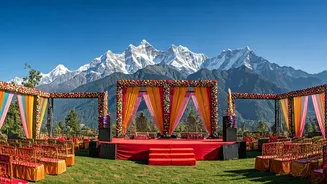
Held annually, typically in the first week of June, the Shimla Summer Festival transforms the city's famous Ridge into an open-air cultural arena. This isn't a fenced-off, ticketed event in a muddy field. It’s a free, public celebration that unfolds with the breathtaking panorama of the snow-capped Himalayan range as its backdrop. The atmosphere is electric and inclusive, attracting a mix of locals from across Himachal Pradesh, Indian tourists, and a handful of in-the-know international travelers. Families stroll with ice cream, teenagers gather near the stage, and older couples watch from benches, all enjoying the crisp mountain air. The festival is a living, breathing expression of the city’s identity as a place of joyful public gathering.
A Symphony of Sights and Sounds
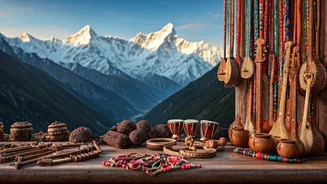
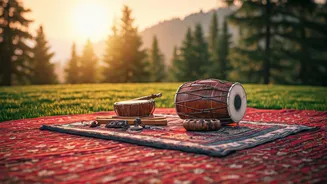
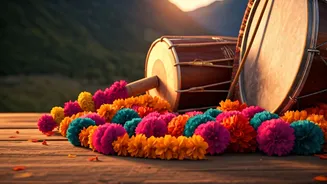
While the lineup changes each year, the festival consistently delivers a compelling blend of performances. One night might feature a major Bollywood playback singer, drawing massive, enthusiastic crowds. The next could be dedicated to traditional Himachali folk music and dance, offering a mesmerizing window into the region's rich cultural tapestry. You might witness the graceful, slow-paced Nati dance, a community folk performance that is a cornerstone of local identity. Beyond music, the festival often includes performances by comedians, celebrity appearances, and even fashion shows featuring local designers. This blend of the modern and the traditional, the national and the hyper-local, is what makes the experience so dynamic. It’s a cultural sampler plate of contemporary and historic India.
More Than Just Main Stage Acts
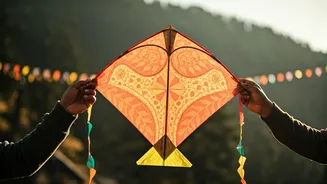
What truly sets the Shimla Summer Festival apart is the ecosystem of activities that springs up around it. The Ridge and Mall Road become a hub of delightful distractions. Food stalls pop up, offering everything from savory local dishes like *siddu* (steamed bread) to classic Indian street food favorites. Artisans sell handcrafted wooden toys, intricately patterned Kullu shawls, and other regional specialties. Often, the festival includes a beautifully arranged flower show, showcasing the horticultural diversity of the Himalayas. There are also often events for children and, in a charmingly local twist, a much-anticipated dog show featuring proud owners and their pampered pets. It’s this full-bodied celebration of community life, not just a series of concerts, that elevates the festival from a fun event to a true cultural immersion.
Planning Your Himalayan Getaway
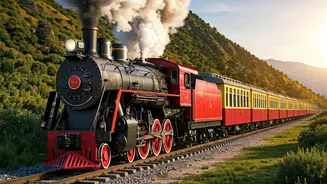
If you're considering a trip, timing is everything. The festival’s early June dates coincide with the peak of Shimla's glorious summer weather—sunny days perfect for exploring and cool nights that are a welcome relief. Because it's a popular time, it's wise to book accommodations well in advance. Getting there is part of the adventure. You can fly into the nearby airport, but the classic approach is the UNESCO World Heritage Kalka-Shimla Railway. This narrow-gauge “toy train” winds its way through over 100 tunnels and across 800 bridges, offering stunning views and a romantic, old-world travel experience that perfectly sets the tone for your visit.