



It’s All About the Cleanup (or Lack Thereof)
Let’s start with the most obvious and glorious benefit: the near-total absence of a mountain of dishes. After a long day, the prospect of not just cooking but also scrubbing multiple pots, pans, cutting boards, and mixing bowls can be enough to make takeout
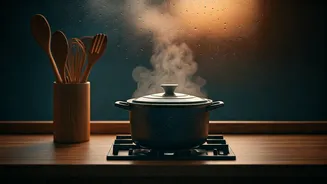
feel like a necessity. One-pot cooking is the ultimate kitchen hack for the cleanup-averse. Everything—the searing, the sautéing, the simmering—happens in a single vessel. Your post-dinner reality transforms from a sudsy, 20-minute ordeal into a simple rinse-and-load operation. This isn't just about saving time; it's about removing the single biggest psychological barrier to cooking at home on a weeknight.
Maximum Flavor, Minimum Effort
Culinary school students learn about 'fond'—the browned, delicious bits that stick to the bottom of a pan after searing meat or vegetables. In one-pot cooking, that fond isn't lost; it becomes the foundational layer of flavor for the entire dish. When you add liquid to deglaze the pan, all that concentrated goodness gets incorporated into your sauce, broth, or stew. As ingredients cook together, their flavors don't just coexist; they meld and deepen. The chicken releases its savory juices into the rice cooking beneath it. The onions and garlic infuse the entire pot with their aromatic sweetness. This method inherently builds a more cohesive and complex flavor profile than assembling a dish from separately cooked components.
The Economics of a Single Pot
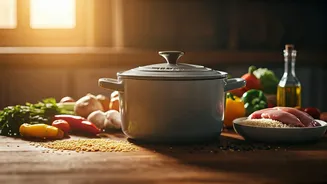
In an era of rising grocery prices, one-pot meals are a masterclass in financial efficiency. They are perfectly suited for cheaper cuts of meat that benefit from slow simmering, like chicken thighs or beef chuck. They’re also an ideal vehicle for using up the lingering half-onion, the slightly-sad-looking carrots, or the handful of spinach left in your crisper drawer, combating food waste. Because you’re often building a meal around a base of inexpensive pantry staples like pasta, rice, or legumes, you can stretch more expensive ingredients further. A single chicken breast can feel paltry on its own, but when shredded into a hearty chicken and rice soup, it helps feed a family.
Curing Our Collective Kitchen Burnout
For many, the last few years involved an unprecedented amount of home cooking. What started as a comforting hobby became, for some, a relentless chore. We’ve hit a point of collective kitchen burnout. We still want the benefits of a home-cooked meal—the health, the comfort, the savings—but we lack the energy for elaborate, multi-step recipes. The one-pot meal is the perfect antidote. It offers a sense of accomplishment and nourishment without demanding too much of our depleted reserves. It’s a cooking style that says, 'You can still eat well, even when you're tired.' This return to simplicity isn't laziness; it's a strategic retreat to a more sustainable and enjoyable way of feeding ourselves.
The Social Media Glow-Up
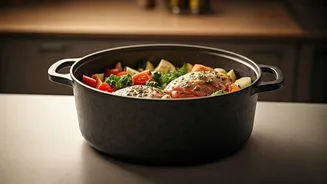
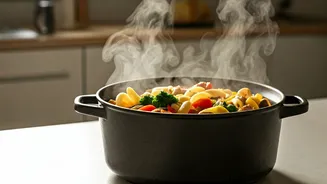
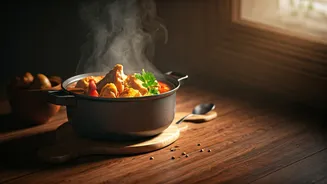
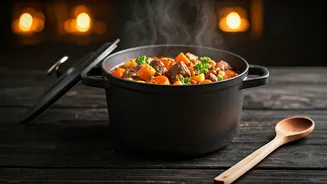
It doesn't hurt that one-pot meals are incredibly photogenic. A beautifully burnished Dutch oven filled with a vibrant stew, a cast-iron skillet with a perfect golden-brown crust, or a colorful sheet pan dinner pulled straight from the oven is pure social media catnip. Influencers and food bloggers have embraced the aesthetic of rustic simplicity. The trend has been supercharged by the popularity of specific appliances, from the Instant Pot, which revitalized pressure cooking, to the enameled Dutch oven, which has become a status symbol for home cooks. This visual appeal has helped introduce the concept to a new generation, framing it not as a shortcut, but as a chic, smart, and desirable way to cook.