



The Showstopper in the Corner
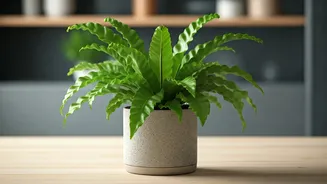
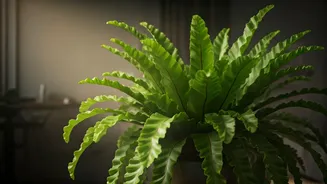
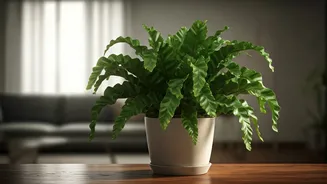
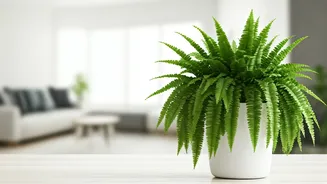
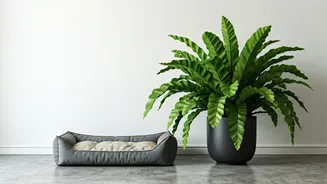
First, let's talk aesthetics. The Bird's Nest Fern (*Asplenium nidus*) is no wallflower. Its beauty lies in its unique structure. Unfurling from a central rosette—the “nest” that gives it its name—are wide, wavy, and often crinkled fronds. Unlike the delicate,
feathery ferns you might picture, the Bird's Nest Fern’s leaves are solid, glossy, and have a vibrant, apple-green hue. This gives the plant a bold, architectural quality that allows it to stand alone as a living sculpture on a side table or command attention as a floor plant.Its fronds grow upright and then arch gracefully, creating a vase-like shape. Some cultivars, like the 'Crispy Wave', have dramatically ruffled edges, adding even more texture and visual interest. This isn't just another leafy green plant; it's a piece of living art that brings a touch of the tropical rainforest into your living room, adding a sense of calm and vitality.
Peace of Mind for Pet Parents
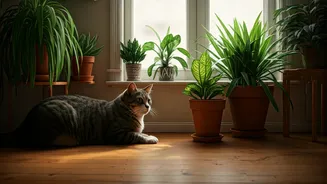
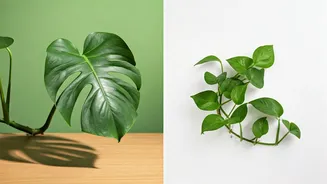
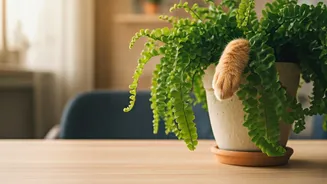
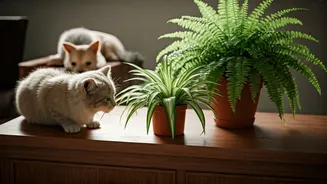
Here is the headline-making feature for so many American households: the Bird's Nest Fern is completely fur-friendly. According to the American Society for the Prevention of Cruelty to Animals (ASPCA), this plant is non-toxic to both cats and dogs. This is a game-changer for pet owners who have scrolled through lists of gorgeous but hazardous plants like lilies, monsteras, and sago palms.While you should always discourage your pets from making a meal of your houseplants (for the plant's sake as much as the pet's), you can rest easy knowing that an inquisitive nibble on a Bird's Nest Fern frond won't result in a frantic, late-night call to the emergency vet. This peace of mind allows you to enjoy the lush greenery without the constant background anxiety that comes with housing toxic plants alongside curious cats and dogs.
Finding Its Happy Place: Light and Location
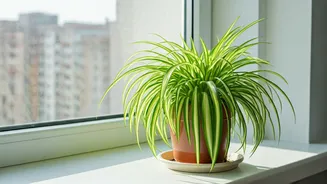
To keep your Bird's Nest Fern looking its best, try to mimic its natural environment. In the wild, these ferns are epiphytes, meaning they often grow on the trunks of other trees, nestled in the shady, dappled light of the forest understory. In your home, this translates to a need for bright, indirect light.An east-facing window that gets gentle morning sun is perfect. A spot a few feet away from a south- or west-facing window also works well. Direct, scorching sun is the enemy; it will burn the delicate fronds, leaving them yellowed and crispy. Low light is tolerated, but the plant's growth will be much slower, and the fronds may be less vibrant. Think “bright shade,” not a dark corner.
The Secret to Lush Fronds: Water and Humidity
Like most ferns, the Bird's Nest Fern loves moisture. The key is to keep the soil consistently moist but never waterlogged or soggy, which can lead to root rot. A good rule of thumb is to water thoroughly when the top inch of soil feels dry to the touch. When you do water, try to water the soil around the base of the plant, avoiding the central “nest,” as letting water pool there can cause crown rot.Even more important than watering is humidity. These are tropical plants that thrive in steamy conditions. A dry, centrally heated home can cause the frond edges to turn brown and crispy. To combat this, place your fern in a naturally humid room like a bathroom (if it has enough light), mist it every few days, group it with other plants, or set it on a pebble tray filled with water. A small humidifier is also a fantastic investment for any fern lover.