




The Golden Hour Spectacle
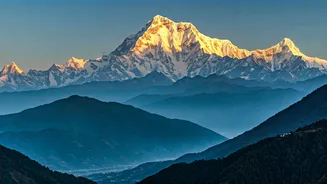
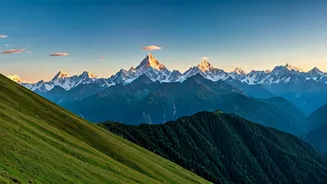
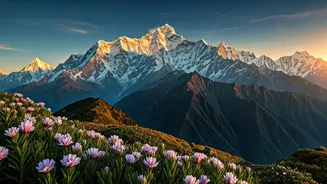
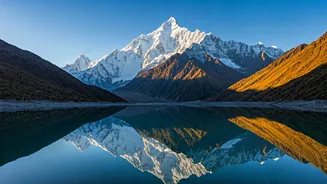
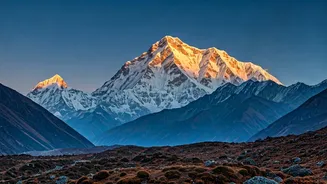
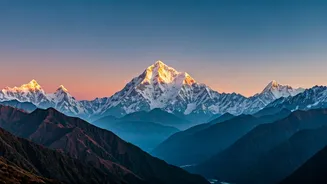
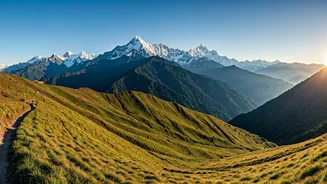
The first hint of light is a pale, ethereal glow behind the dark silhouettes of the mountains. Then, as the sun begins its ascent, it catches the highest peaks first. A faint blush of pink deepens into a fiery orange, then a brilliant gold, tracing the jagged
ridge of the Kanchenjunga massif. For a few breathtaking minutes, the world's third-highest mountain seems to be on fire, a celestial event staged just for those who woke up early enough to witness it. This is the view that anchors countless travel posters, fuels Instagram feeds, and, most importantly, keeps the city of Gangtok, capital of India’s Sikkim state, firmly planted on the wishlists of travelers from around the globe. It's more than a beautiful vista; it's a performance, a daily reminder of nature’s staggering power and artistry.
More Than Just a Mountain
For the people of Sikkim, Kanchenjunga is not merely a geological feature. It is a guardian deity, a sacred presence that watches over the land and its inhabitants. The name itself, often translated from Tibetan as “The Five Treasures of the Great Snow,” refers to the five distinct peaks that make up the massif, believed to hold repositories of gold, silver, gems, grain, and holy scriptures. This deep-seated reverence transforms the act of viewing the mountain from a simple tourist activity into a shared cultural experience. You can feel it in the hushed tones of the local guides and the respectful silence that falls over viewpoints as the peaks are unveiled from behind the clouds. To see Kanchenjunga from Gangtok is to glimpse the spiritual heart of the entire region, making the journey feel more like a pilgrimage than a simple vacation.
A City Framed by Giants
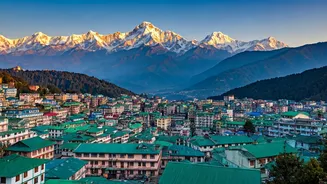
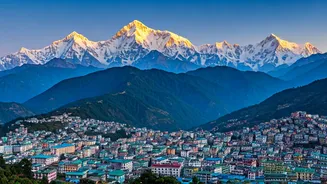
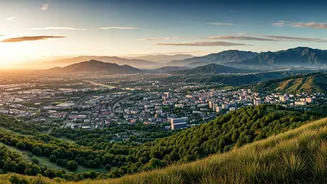
While many Himalayan towns offer mountain views, Gangtok’s relationship with Kanchenjunga is unique. The city is built across a steep, cloud-hugging ridge, meaning the snowy peaks are not a distant reward at the end of a long trek, but a constant, looming presence in daily life. From hotel balconies, monastery courtyards, and bustling market streets, the range appears and disappears with the shifting weather, a dramatic backdrop to the everyday. This constant visibility has shaped Gangtok’s identity. The entire city seems oriented towards the view, with cafes and guesthouses competing for the best panoramic windows. This integration of the sublime into the urban fabric is what makes Gangtok so captivating; it’s a city that lives and breathes in the shadow of giants, reminding visitors that even in a modernizing hub, nature still has the final say.
Chasing the Perfect Shot
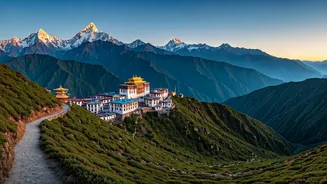
For travelers determined to capture that perfect, postcard-worthy image, Gangtok offers several prime locations. The most famous is Tashi View Point, located a few miles outside the city center and specifically designed for panoramic sunrises. Here, you’ll join a crowd of fellow enthusiasts, all hoping for clear skies. For a slightly different angle, the monasteries of Ganesh Tok and Hanuman Tok, perched high above the city, offer serene settings and equally stunning vistas. The key, as any local will tell you, is timing and patience. The clearest views are typically found during the spring months (March to May) and in the autumn (October to December), after the monsoon clouds have cleared. But even a fleeting glimpse on a cloudy day is enough to understand the mountain’s powerful allure. It’s a game of chance that makes the ultimate reward—a full, unobscured view—all the sweeter.