



The Pilgrim’s Paradox
For countless travelers and devout pilgrims, the road to the Gangotri Temple in the Indian Himalayas is a bucket-list spiritual journey. Winding through the magnificent Garhwal mountains of Uttarakhand, the route follows the roaring Bhagirathi river toward
its glacial source. Yet, during the peak yatra season from April to June and again from September to October, this sacred highway transforms. The experience can become a modern-day paradox: a quest for inner peace undertaken amidst a cacophony of blaring horns, bumper-to-bumper traffic, and bustling market towns packed with travelers. The very serenity you seek can feel impossibly distant as you inch forward, your view filled more with tailpipes than towering peaks. This commercial crush and relentless pace can easily detract from the spiritual significance of the Char Dham Yatra, leaving many visitors feeling overwhelmed rather than uplifted.
The Harsil Valley Escape
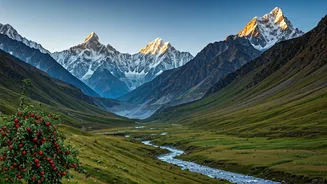
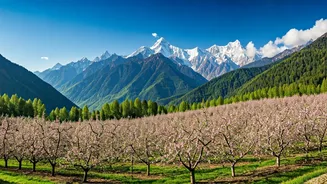
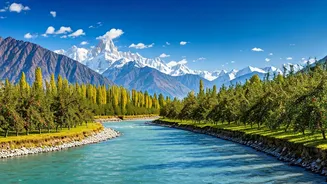
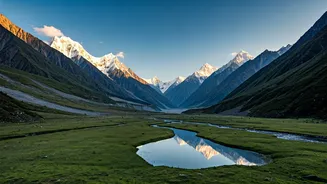
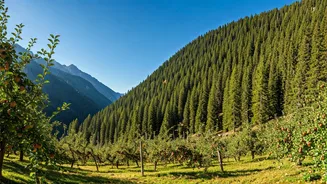
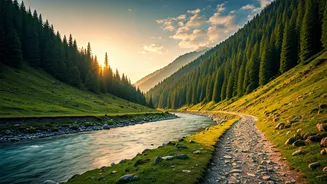
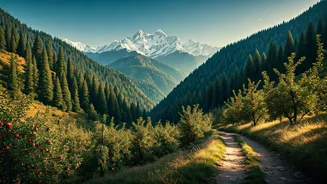
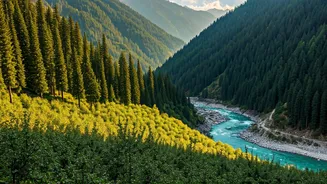
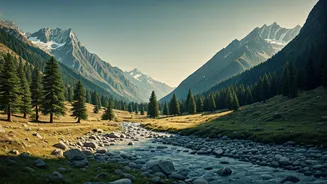
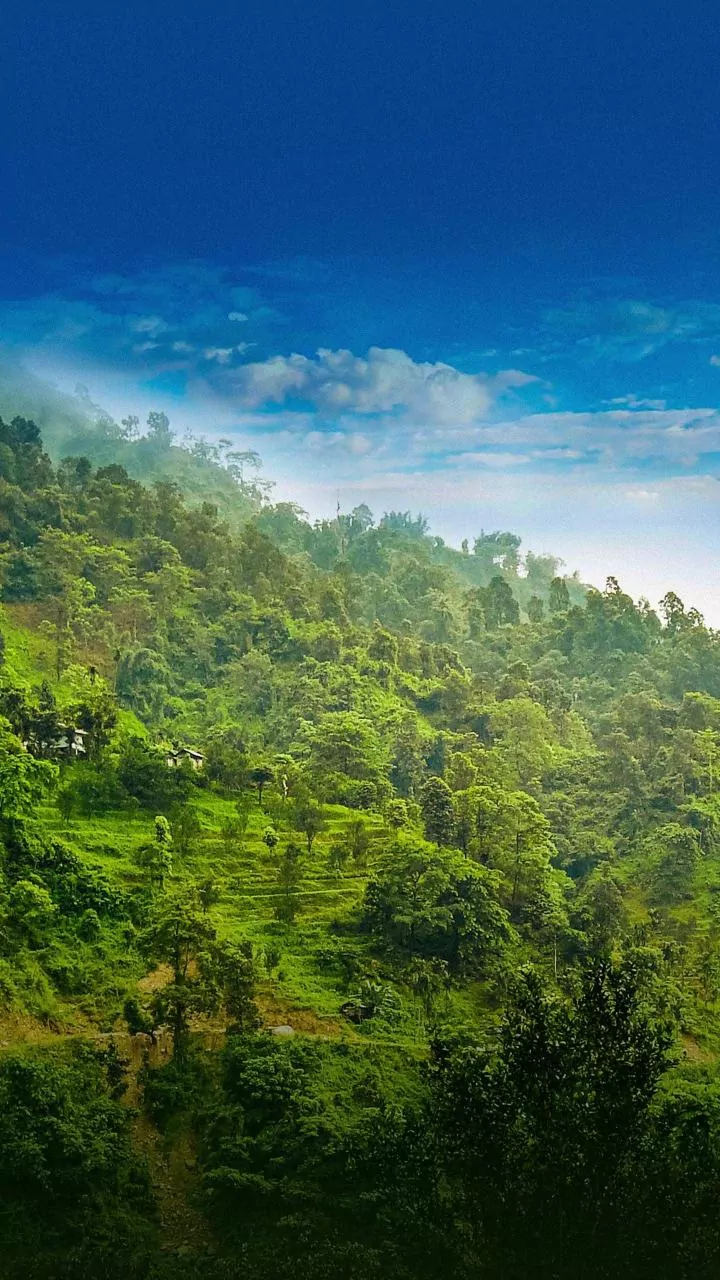
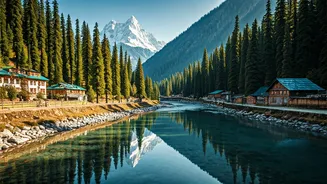
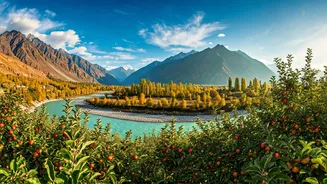
The secret to a more tranquil journey doesn't lie in a complex, unpaved shortcut, but in a deliberate, soul-soothing pause. The “detour” isn't a different road, but a different mindset—and its capital is the Harsil Valley. Located just about 45 miles short of Gangotri on the main highway, Harsil is a destination that most pilgrims rush past. This is their loss and your opportunity. Nestled on the banks of the Bhagirathi, this pristine valley is a world away from the roadside chaos. Known as the “mini Switzerland of India,” Harsil is a breathtaking canvas of dense deodar forests, terraced fields, and charming villages. The air is crisp, the river runs wide and clear, and the valley is famous for its flourishing apple orchards, introduced by an Englishman in the 19th century. Instead of battling traffic, you can spend a day or two here, allowing the Himalayas to work their magic at a slower, more human pace.
What to See and Do
Embracing the Harsil detour means trading rush-hour frustration for quiet exploration. Your first stop should be the village of Harsil itself, a quaint and picturesque settlement with a few guesthouses and a palpable sense of peace. From there, you can explore several nearby gems. A short drive or a beautiful walk leads to Mukhba, a small village of immense religious importance. During the harsh winter months when Gangotri is snowbound, the idol of the Goddess Ganga is brought down and worshipped here, making Mukhba her official winter home. You can also visit the village of Dharali, another scenic spot known for its apple groves and traditional wooden homes. For the more adventurous, there are short treks and nature walks that lead into the surrounding forests, offering stunning views of the snow-capped peaks and the valley below. It's a chance to connect with nature and the local culture on a much deeper level.
Practical Logistics for Your Detour
Integrating Harsil into your Gangotri itinerary is simple. The valley is located on National Highway 34, approximately 16 miles from the town of Uttarkashi. The most common plan is to drive from Uttarkashi, bypass the crowded town of Bhatwari, and make Harsil your base for a night or two. This breaks up the long drive to Gangotri, allowing you to acclimate to the altitude while enjoying the scenery. Accommodation in Harsil and its neighboring villages ranges from basic government-run guesthouses (GMVN) to cozy private hotels and homestays that offer a more authentic local experience. Booking in advance is highly recommended, especially during peak season. From Harsil, the Gangotri Temple is a scenic, manageable drive of about one to two hours, traffic permitting. By starting your day from Harsil, you can often reach the temple before the main wave of traffic arrives from further down the valley.