






The Long Wait for Rain
Imagine a city baked in relentless summer heat, where the air is thick and still. For weeks, every day feels hotter than the last. Then, one afternoon, the sky darkens. The wind picks up, carrying the smell of distant storms. The first fat drops of rain
hit the dusty pavement, and soon a torrential downpour unleashes a collective sigh of relief. This is the arrival of the Indian monsoon, an annual weather event that’s less about meteorology and more about a profound cultural and emotional reset. It’s a time of renewal, romance, and relief. While the season brings life back to vast landscapes, it also triggers a much smaller, more intimate spectacle in millions of urban homes.
Nature's Perfect Timing
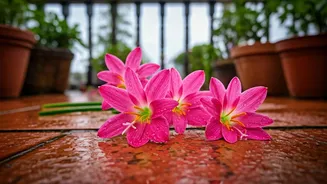
This is where the rain lily makes its grand entrance. Known scientifically as *Zephyranthes*, these small, unassuming bulbs lie dormant in pots and garden beds throughout the dry season. They offer no hint of the beauty they hold within. But when a heavy rain soaks the soil, it triggers a biological alarm clock. A few days later, as if overnight, slender green stems shoot up, crowned with delicate, star-shaped flowers in shades of pink, white, and yellow. This sudden, synchronized bloom is what makes them feel so magical. They aren’t just flowers; they are an event. Their other common names—fairy lily, zephyr lily, and rain flower—all point to this ephemeral, almost otherworldly quality. The 'surprise' is the core of their appeal; you don’t coax them into blooming, you simply wait for the rain to work its charm.
An Urban Gardener's Dream
In the dense, vertical cities of India, from Mumbai to Bangalore, private green space is a luxury. Most gardening happens on balconies, terraces, and windowsills. The rain lily is perfectly suited for this reality. The bulbs are compact, require minimal care for most of the year, and thrive in containers. They are a low-effort, high-reward plant for busy city dwellers. During the monsoon, a few pots of rain lilies can transform a stark concrete balcony into a lush, vibrant oasis. They provide a direct, tangible connection to the season's rhythm. For children and adults alike, spotting the first bloom after a storm is a source of simple, recurring joy—a reminder that nature’s clock is still ticking, even in the heart of the metropolis.
How to Grow Your Own Surprise
The good news for American gardeners is that this magic isn’t exclusive to the Indian subcontinent. Rain lilies are surprisingly easy to grow in the United States, especially in warmer climates (USDA Zones 7-11). You can plant the small bulbs in the spring, either in a garden bed or, for the authentic balcony experience, in pots. Choose a well-draining soil mix and a spot that gets at least six hours of sunlight. Plant the bulbs about one to two inches deep and a few inches apart. Water them initially, then you can largely forget about them. The key is to let nature take its course. They will bloom most prolifically after a thorough soaking, mimicking the monsoon downpours. A heavy summer thunderstorm might be all it takes to wake them up. With just a little patience, you can have your own personal flower show that arrives right on cue with the rain.