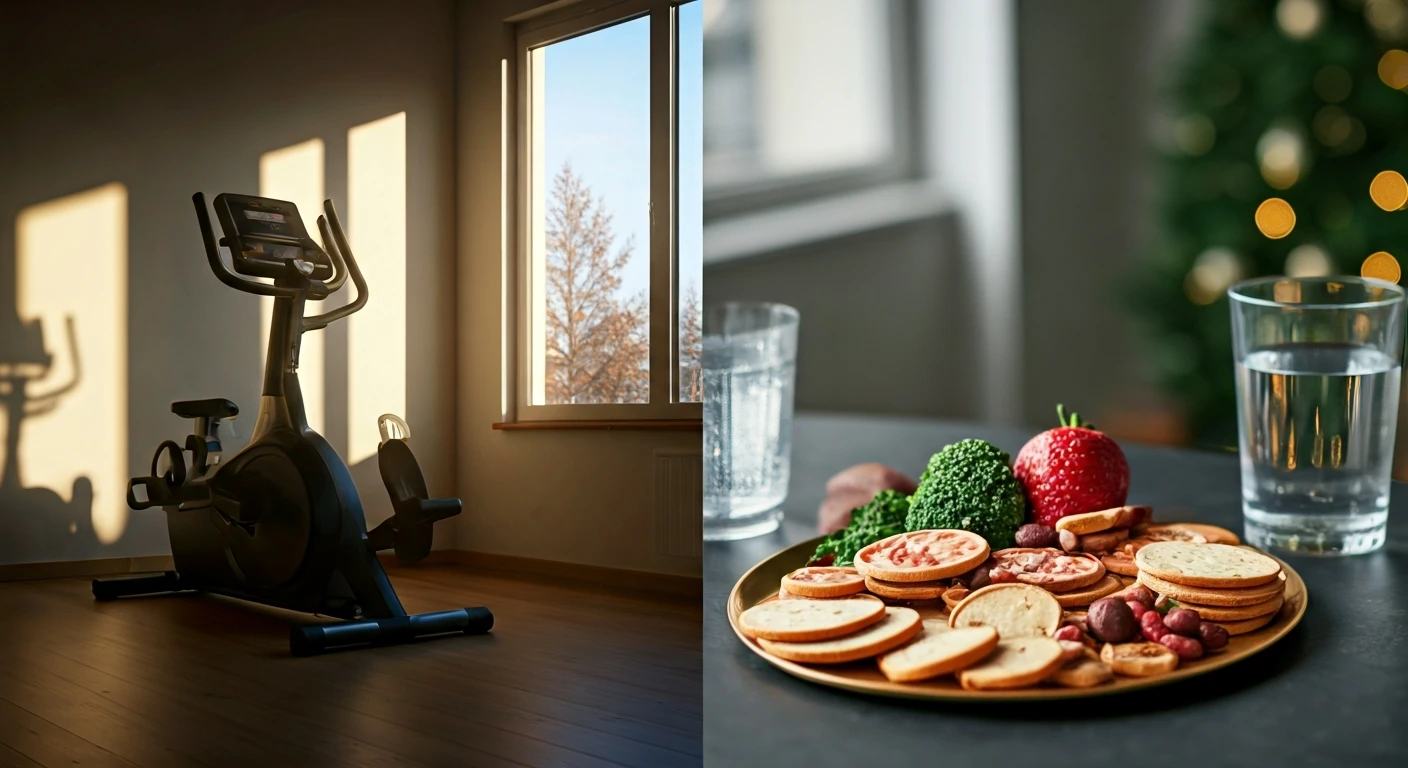






1. Treat Workouts Like Appointments
When your calendar fills with parties and shopping trips, the first thing to get pushed aside is often your workout. Trainers stress that the key is to protect that time. Schedule your gym sessions, runs, or even a 20-minute home workout in your calendar just
as you would a meeting. When it’s written down, it becomes a non-negotiable commitment rather than a vague intention. This isn't about maintaining peak performance; it's about maintaining the habit. Even a shorter, less intense workout is infinitely better than no workout at all. It keeps your momentum going, boosts your mood through endorphins, and helps manage the stress that often accompanies the season.
2. Don’t Arrive at the Party Starving
It’s a classic mistake: 'saving up' your calories for the big holiday feast. In reality, this strategy almost always backfires. Arriving at a party ravenous makes it nearly impossible to make mindful choices. Your survival instincts kick in, and you’ll likely gravitate toward the most calorie-dense, least-nutritious options and eat far more than you intended. A smarter approach, according to trainers and nutritionists, is to have a small, protein-rich snack before you go. Think a handful of almonds, a Greek yogurt, or an apple with peanut butter. This takes the edge off your hunger, allowing you to survey the buffet calmly, choose what you truly want to enjoy, and savor it without feeling frantic.
3. Hydrate Intelligently
Water is your best friend during the holidays. Thirst is often mistaken for hunger, so staying hydrated can prevent unnecessary snacking. Furthermore, festive cocktails, wine, and beer are not only high in empty calories but also dehydrating, which can lead to fatigue and headaches the next day, making you more likely to skip a workout. A simple rule is to alternate every alcoholic beverage with a full glass of water. This slows down your alcohol consumption, keeps you hydrated, and helps you feel fuller, reducing the temptation to overindulge in both drinks and food. Carrying a water bottle with you while running errands can also make a significant difference.
4. Embrace 'Movement Snacks'
If you can’t fit in a full hour-long workout, don’t adopt an all-or-nothing mindset. Instead, think in terms of 'movement snacks.' These are short bursts of activity sprinkled throughout your day. Can you take the stairs instead of the elevator at the mall? Can you do 10 minutes of stretching when you wake up? Can you do a set of squats and push-ups while waiting for your coffee to brew? Or maybe organize a family walk after a big meal? These small efforts add up, keeping your metabolism active and preventing the lethargy that can set in from too much sitting. It shifts the goal from 'I must exercise for 60 minutes' to 'I will find ways to move my body today.'
5. Prioritize Sleep
Late-night parties and early-morning holiday prep can wreck your sleep schedule, but trainers emphasize that sleep is a cornerstone of health. A lack of quality sleep messes with your hormones, specifically ghrelin (which tells you you’re hungry) and leptin (which tells you you’re full). When you're sleep-deprived, ghrelin levels surge while leptin levels fall, making you crave sugary, high-carb foods for a quick energy spike. It also impairs recovery from workouts and weakens your resolve to make healthy choices. Aiming for seven to eight hours of sleep per night is one of the most powerful things you can do to keep your body and mind in balance during a hectic season.
6. Master the Art of the 'One Plate' Rule
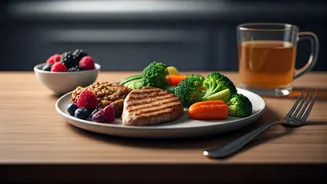
Holiday buffets are a minefield of temptation. A simple, effective strategy is to commit to one plate. Survey all the options before you put anything on your plate. Then, fill half of it with the healthiest options available—think salads, roasted vegetables, or a lean protein like turkey. Use the other half for smaller portions of the richer, more indulgent dishes you're truly excited about. Once the plate is finished, step away from the buffet. This approach allows you to sample and enjoy the festive foods without the guilt or physical discomfort of overeating. It’s about mindful enjoyment, not restriction.