




From Niche Movement to Mainstream Value
Not long ago, the term “locavore” described a small, dedicated group committed to eating food grown within a 100-mile radius. It felt niche, admirable, but maybe a little extreme. Today, that ethos has gone mainstream, repackaged for a generation that values
transparency and authenticity. Local sourcing is no longer just a dietary choice; it’s a core component of a modern, conscious lifestyle. It shows up in Community Supported Agriculture (CSA) boxes proudly displayed on Instagram stories, in restaurant menus that name-drop the specific farm where the evening’s pork was raised, and in the weekend crowds that turn farmers’ markets into social hubs. This isn’t about deprivation; it’s about connection. It's a quiet rebellion against the anonymous, plastic-wrapped perfection of the global supermarket, seeking instead a story, a face, and a place behind every meal.
The 'Why' Behind the Buy
So, what’s driving this shift from global to hyperlocal? The motivations are a blend of ethical, environmental, and epicurean concerns. For many, it’s about reducing “food miles”—the long, carbon-intensive journey that produce often takes from a distant farm to a grocery store shelf. Supporting local farmers keeps money within the community, strengthening small businesses and preserving agricultural land against development. Then there's the taste. Anyone who has eaten a sun-ripened strawberry straight from the field knows it's a world apart from its pale, firm counterpart that was picked green to survive a cross-country trip. This pursuit of flavor is intertwined with a desire for transparency. In an era of complex supply chains and recalls, knowing exactly who grew your food and how they grew it offers a powerful sense of security and trust. It’s a direct line from soil to plate, cutting out the confusing and often opaque middlemen.
The Art of the Conscious Flex
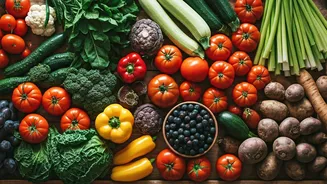
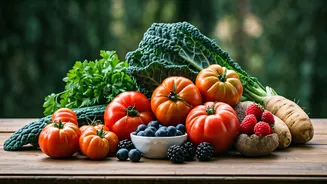
This is where the 'flex' comes in. In a world saturated with material goods, signaling your values has become a new form of social currency. Driving a Tesla signals a commitment to sustainability; wearing Patagonia signals an outdoorsy, eco-conscious identity. Sourcing your food locally operates in the same way. It’s a 'virtue signal' that is both tangible and delicious. Posting a photo of your colorful CSA haul isn’t just about showing off pretty vegetables; it’s a declaration that you support regenerative agriculture, you’re invested in your local economy, and you prioritize freshness. When you tell dinner guests, “These carrots are from Circle H Farms, just over the hill,” you’re not just sharing a meal, you’re sharing a story and a set of values. It’s a flex, but it’s a flex rooted in community and consciousness rather than pure consumerism. It says, “I care enough to know where my food comes from.”
Is It All Just Performance?
Of course, any trend tied to social status invites skepticism. Is local sourcing just another form of elitism, accessible only to those with the time to visit a farmers' market and the budget to afford artisanal cheese? There's a kernel of truth there. Access to fresh, local food is not universal, and affordability can be a significant barrier. The 'conscious flex' can feel performative if it’s divorced from a genuine understanding of the agricultural and economic systems at play. However, dismissing the entire movement as a superficial fad misses the bigger picture. The growing demand for local food creates real, positive impacts. It provides a lifeline for small farmers struggling to compete with industrial agriculture and encourages farming practices that are better for the soil and environment. Even if the initial motivation for some is social, the result is a more resilient and transparent local food system for everyone.