

From Decorative to Delicious
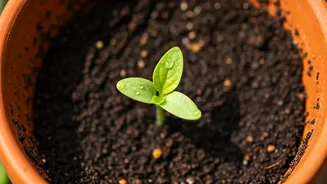
The joy of nurturing a houseplant is real. Watching a new leaf unfurl on your monstera provides a tangible sense of accomplishment in a world of digital noise. Edible gardening takes that satisfaction and adds a delicious, practical dimension. You’re
still nurturing life, but that life ends up on your dinner plate. The connection deepens when the plant you’ve been watering and tending to becomes the star ingredient in your pasta sauce or the fresh mint in your evening tea. It transforms the hobby from a purely aesthetic one to a functional one that engages all your senses, from the smell of fresh basil to the snap of a freshly picked green bean.
The Ultimate Freshness Hack
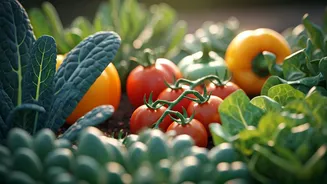
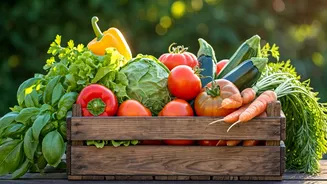
We’ve all been disappointed by a carton of bland, watery grocery store tomatoes or a clamshell of herbs that wilted a day after purchase. Growing your own food is the ultimate life hack for peak flavor and freshness. An herb snipped from your windowsill moments before use carries an aromatic intensity that its pre-packaged counterpart can’t match. A sun-warmed cherry tomato picked right off the vine and eaten on the spot is a revelation. This isn't just about saving a trip to the store; it's about experiencing food at its absolute best. You control the entire process, ensuring your produce is picked at the peak of ripeness, free from unwanted pesticides, and as local as it gets—literally, your own backyard or balcony.
Start Small (No Yard Required)
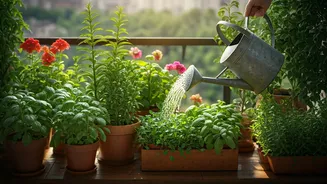
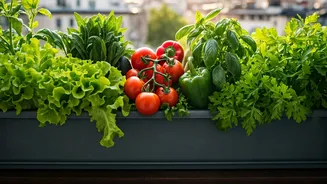
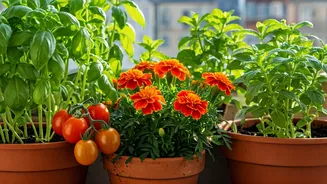
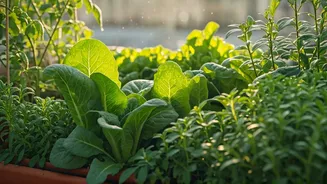
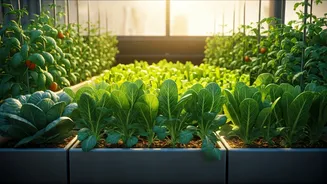
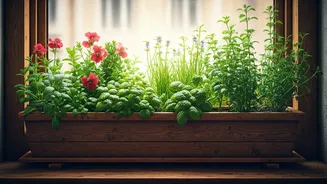
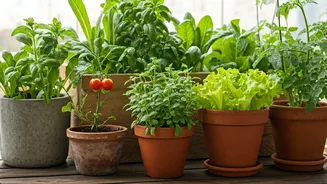
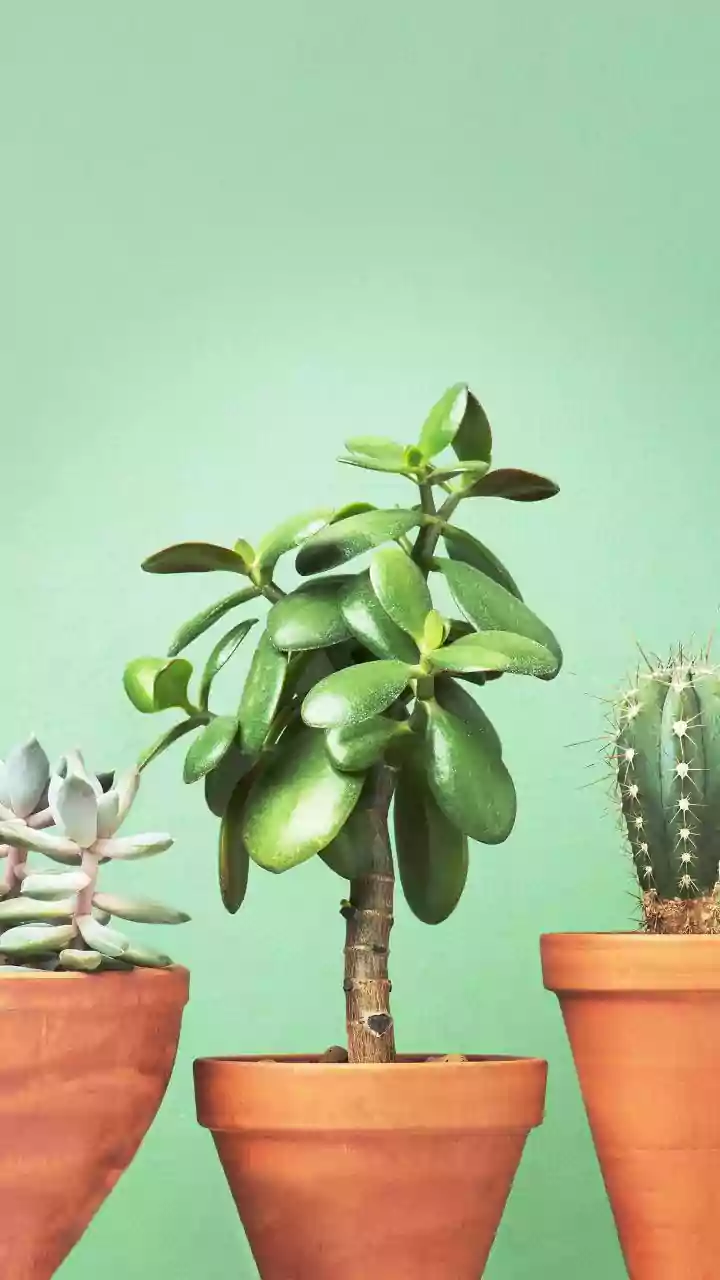
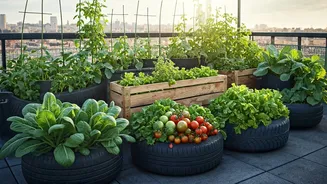
The biggest myth about edible gardening is that you need a sprawling yard with perfect soil. If you have a sunny windowsill, a small patio, or a balcony, you can grow food. The skills you learned keeping houseplants alive—understanding light, watering needs, and pot drainage—are directly transferable. Container gardening is the perfect entry point. A few pots can host a surprising amount of produce. Herbs are the easiest place to start, as most are compact and happy in containers. Salad greens, like loose-leaf lettuce and spinach, grow quickly and can be harvested multiple times. Even compact varieties of tomatoes, peppers, and strawberries are specifically bred for container life.
Three Fail-Proof Plants to Begin
Feeling overwhelmed by the options? Start with these three nearly foolproof choices: 1. **Mint:** This herb is famously vigorous—so much so, you should always keep it in a pot to prevent it from taking over. It tolerates a range of light conditions and bounces back quickly from harvesting. A single plant will provide enough for teas, cocktails, and garnishes all summer long. 2. **Leaf Lettuce:** Unlike head lettuce, you can harvest the outer leaves of leaf lettuce as they mature, leaving the central plant to produce more. This “cut-and-come-again” method provides a steady supply for salads and sandwiches from just one or two pots. 3. **Bush Beans:** These compact plants don’t require elaborate trellises and are highly productive. They grow quickly from seed and will give you the immense satisfaction of harvesting handfuls of crisp, fresh green beans within a couple of months.
Embracing the Learning Curve
Is edible gardening more demanding than caring for a snake plant? Yes, but that’s part of the upgrade. You’ll learn about new things like fertilizing (since your plants are working hard to produce food) and identifying the occasional pest. You’ll pay closer attention to the sun’s path across your balcony and become an expert at knowing when your tomato plant is thirsty. These are not chores; they are skills. Each challenge, whether it’s a bout of aphids or a droopy plant, makes the eventual harvest that much more rewarding. It’s an active, engaging hobby that connects you more deeply to the seasons and the food system.