





The Rise of Digital Detox
The most significant source of modern overstimulation is often sitting in our pockets. In response, a growing number of hotels are creating environments that encourage guests to disconnect. This goes beyond just offering spotty Wi-Fi. We're seeing the
emergence of 'digital detox' packages, where guests voluntarily check their smartphones and laptops at the front desk, sometimes in exchange for perks like spa discounts or resort credits. Properties like Miraval Resorts are famous for their device-free common areas, compelling guests to be present in their surroundings and with each other. The goal isn't to punish tech use but to offer a rare, liberating permission to log off. By removing the pressure to post, email, and scroll, these hotels are re-centering the travel experience on relaxation and real-world connection.
Sensory-Mindful Architecture
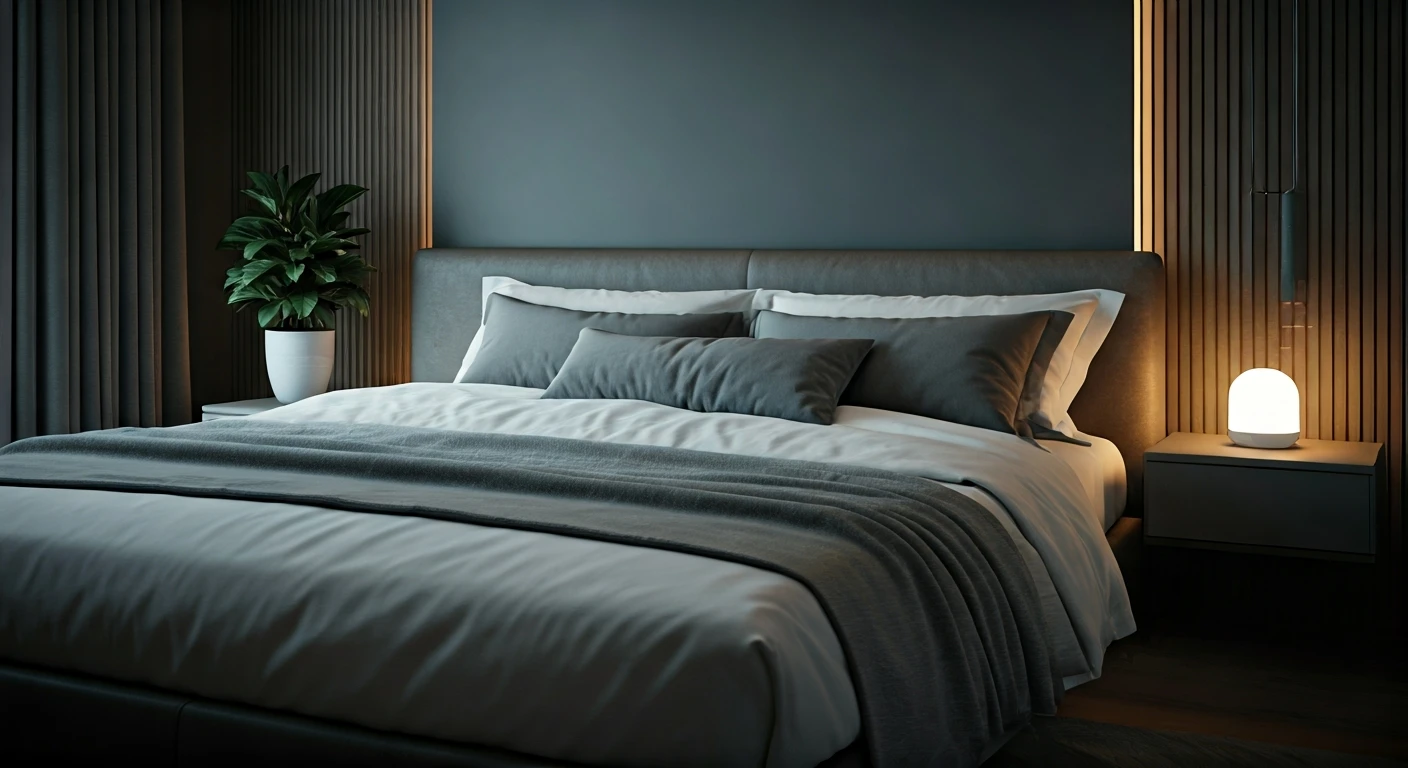
The escape from overstimulation is being built into the very walls of modern hotels. Architects and designers are now creating 'sensory-mindful' spaces that actively soothe the nervous system. This involves a multi-layered approach. Advanced soundproofing and acoustic paneling create a cocoon of quiet, muffling the noise of hallways and neighboring rooms. Lighting is becoming more personalized and circadian-friendly, allowing guests to adjust the color temperature and intensity to match their mood, whether they're trying to work or wind down. Even scent is being rethought. Instead of overpowering signature fragrances pumped into the lobby, many high-end wellness hotels are opting for subtle, natural aromatherapy or creating entirely scent-free floors for sensitive guests. The palette is muted, the textures are natural, and the clutter is gone—all in service of a calmer state of mind.
Programming for Peace, Not Parties
The hotel activities calendar is also getting a quiet-luxury makeover. While the poolside DJ and bustling happy hour still have their place, the new focus is on programming that promotes restoration. Instead of mixology classes, think guided forest bathing (shinrin-yoku) sessions. Instead of high-energy fitness classes, imagine silent, candlelit yoga or morning meditation workshops. Hotels are turning quiet corners of their properties into libraries, contemplative gardens, or art studios. This shift recognizes that for many burnt-out professionals and overwhelmed parents, a vacation is no longer about packing in as much excitement as possible. Instead, it's an opportunity to decompress, learn a new contemplative skill, and return home with a sense of genuine renewal, not exhaustion.
Perfecting the Science of Sleep
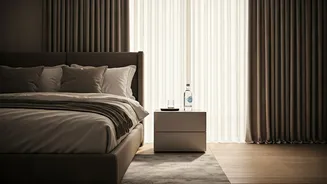
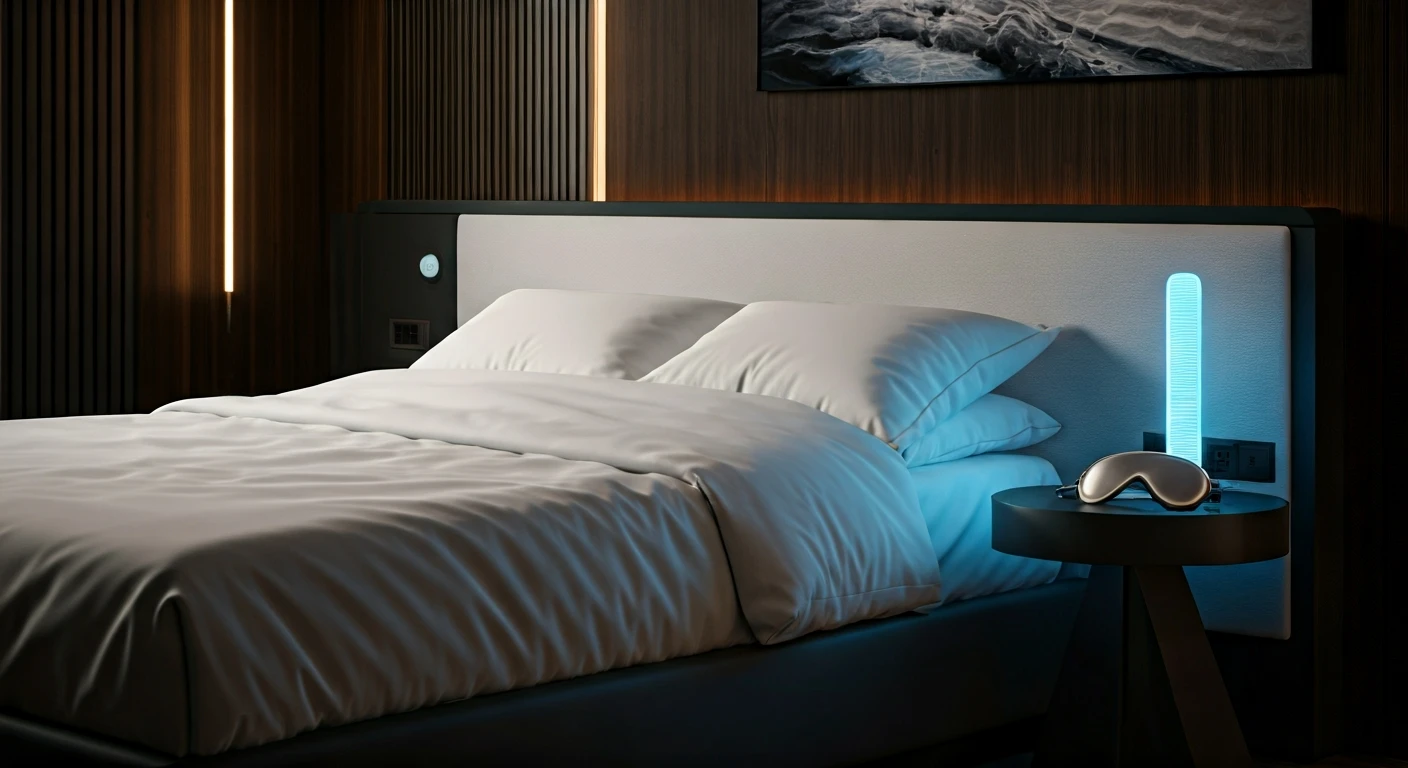
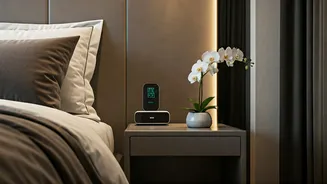
For the truly overstimulated, a good night's sleep is the ultimate luxury. Hotels are moving far beyond a simple mint on the pillow and investing heavily in the science of slumber. So-called 'sleep tourism' is booming, and hotels are competing to offer the most restorative rest. This can include everything from a 'pillow menu' with options for every type of sleeper to beds with advanced temperature-regulating technology. Blackout curtains are now an art form, designed to eliminate every sliver of light. Some hotels even offer the services of a 'sleep concierge' who can provide guests with weighted blankets, white noise machines, and curated herbal teas. Brands like Six Senses and Equinox Hotels have made sleep performance a core part of their identity, understanding that for many travelers, the single most important metric of a successful stay is how well they slept.