

The End of the Sad Beige Diet
Remember the heyday of “clean eating”? It often translated to a plate of pale, steamed chicken, a lonely pile of broccoli, and maybe some brown rice if you were feeling wild. The reigning philosophy was that for food to be good for you, it had to be stripped
of everything that made it joyful: fat, salt, and, most of all, bold flavor. This was the era of clinical eating, where health was measured by what you eliminated, not what you enjoyed. The result was a food culture that saw wellness as a chore, a joyless cycle of restriction that was ultimately unsustainable for most people. We were told that flavor was the enemy of fitness, and for a long time, many of us believed it.
Flavor as Functional Medicine
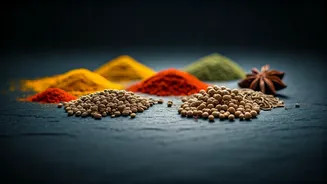
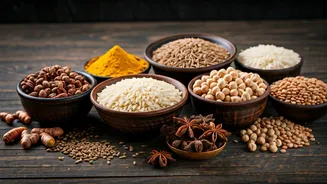
Enter the Indian food revolution. The fundamental genius of many Indian cuisines is that they never bought into the false binary of flavor versus health. In fact, they are intrinsically linked. The complex, layered flavors of a dish like dal or chana masala don’t come from a packet; they come from a spice box—the masala dabba—that doubles as a traditional apothecary. Turmeric, the golden star of countless curries, is celebrated for its anti-inflammatory compound, curcumin. Ginger is a legendary digestive aid, cumin is packed with antioxidants, and fenugreek has been studied for its potential to help regulate blood sugar. In this culinary philosophy, spices aren’t just for taste; they are functional ingredients that add nutritional depth. This approach reframes healthy eating entirely. It’s not about subtraction; it’s about addition. The goal is to make food as delicious and as nourishing as possible, simultaneously.
Plant-Powered by Default
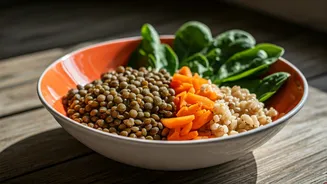
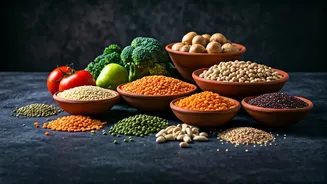
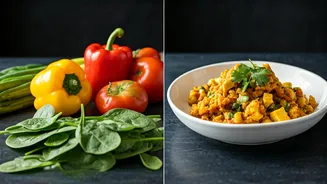
While the West has recently embraced “plant-based” eating as a trendy wellness discovery, it has been a cornerstone of Indian food for centuries. Due to a confluence of religious, economic, and agricultural factors, vast and varied vegetarian traditions flourish across the subcontinent. But this isn't the sad-salad vegetarianism of old. In Indian cooking, vegetables, legumes, and lentils are the heroes of the dish, not a begrudging side-show. A bowl of rajma (kidney bean curry) or a plate of baingan bharta (smoky roasted eggplant) is deeply satisfying, protein-rich, and fiber-heavy. These dishes are designed to be complete and craveable on their own terms. This makes Indian food a natural fit for modern Americans looking to eat less meat without feeling like they’re missing out on a hearty, satisfying meal.
The New Wave of Indian Cuisine
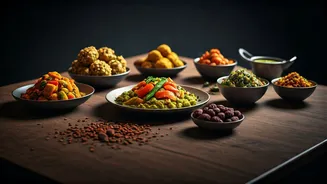
This shift is being accelerated by a new generation of chefs and restaurateurs across the United States. They are moving beyond the generic, cream-heavy buffet fare that defined suburban Indian food for decades. Instead, they are celebrating regional specificity, heirloom recipes, and high-quality ingredients. Restaurants from New York to California are serving “unapologetic” Indian food that is proudly spicy, complex, and true to its roots. More importantly, they are successfully marketing it not just as comfort food, but as vibrant, wholesome, and profoundly modern. Diners are no longer coming just for a heavy meal; they’re coming for the energizing, nutrient-dense, and explosively flavorful experience that proves healthy food can, and should, be a celebration.