


The Era of Aesthetic Restriction
If you scrolled through a fitness influencer’s feed five years ago, you knew what to expect. You’d see rows of identical Tupperware containers filled with steamed broccoli, plain chicken breast, and a careful scoop of brown rice. You’d find “What I Eat
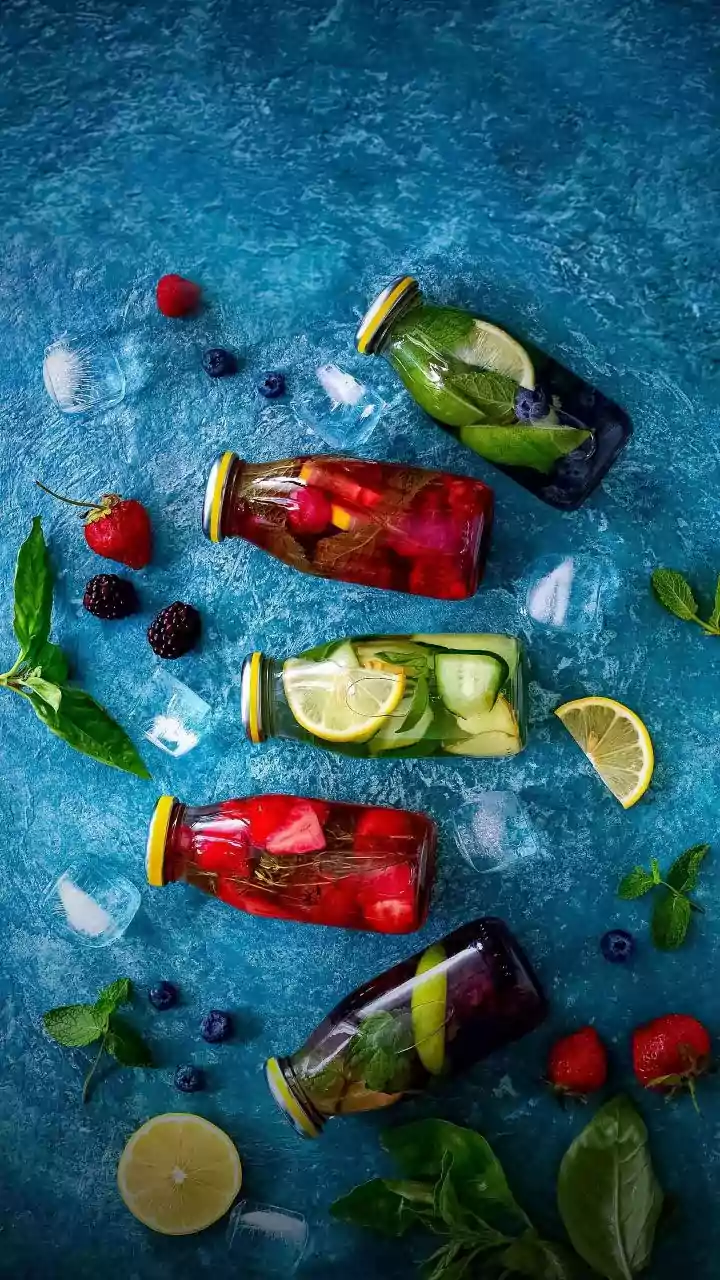
in a Day” videos that seemed to consist entirely of protein shakes, egg whites, and a profound fear of carbohydrates. This was the gospel of #fitspo: a rigid, aesthetically driven approach where food was fuel, and little else. Enjoyment was secondary to macronutrient ratios. The goal wasn't just to be fit; it was to look like you were, adhering to a visual code of leanness and discipline. This digital world championed restriction as a virtue, demonizing entire food groups and promoting a dizzying array of supplements, powders, and “fat-burning” teas as necessary tools for success. For the average person, it was a recipe for guilt and confusion, creating an impossibly high bar for what 'healthy' was supposed to look like.
Meet the New Guard
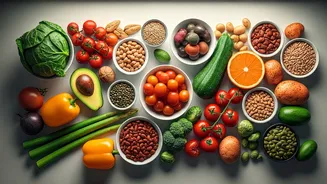
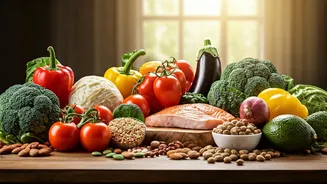
Lately, however, a vibrant rebellion has been brewing. A new generation of influencers—many of whom are registered dietitians, certified trainers, and chefs—is flooding feeds with a radically different message. They’re eating pasta with gusto, baking sourdough bread, and enjoying a glass of wine with dinner. Instead of showcasing restriction, they focus on addition: adding more colorful vegetables to a plate, more fiber to a meal, and more joy to the act of eating. These creators are dismantling the old food rules one post at a time. They explain the science of why your body needs carbohydrates for energy, why fats are crucial for hormone health, and why a slice of birthday cake is not a moral failing. They’re replacing shaky testimonials for mystery supplements with evidence-based nutrition advice, all while showing that a healthy life can and should include foods you genuinely love. The aesthetic has shifted from sterile and controlled to warm, messy, and delicious.
The 'Anti-Diet' Backlash
This change didn’t happen in a vacuum. It’s the direct result of a widespread cultural burnout with diet culture. After decades of being sold quick fixes, restrictive plans, and the promise of a perfect body, people are exhausted. The anti-diet and body positivity movements, once niche, have entered the mainstream, giving millions the language to question the toxic messages they’ve internalized. Viewers are becoming more savvy, recognizing that the hyper-curated lifestyles of old-school influencers were not only unsustainable but often unhealthy. There’s a growing demand for authenticity and transparency, and a rejection of anything that feels punitive or elitist. This new wave isn’t about “letting yourself go”; it’s about finding a sustainable, kind, and balanced approach to wellness that doesn’t require sacrificing your mental health or social life.
Redefining 'Healthy'
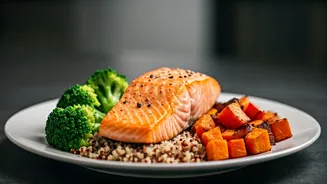
At its heart, this trend is about reclaiming the word “healthy.” For too long, it was co-opted to mean thin, shredded, or low-calorie. The new-guard influencers are working to expand that definition. In their world, healthy is having the energy to play with your kids. It’s a flexible mindset that allows for both a nutrient-dense salad and a celebratory doughnut without an ounce of guilt. It's understanding that physical, mental, and social well-being are deeply interconnected. This approach, often aligned with principles of intuitive eating, encourages people to listen to their bodies’ hunger and fullness cues rather than a rigid set of external rules. By showcasing plates that include a mix of protein, fat, carbs, and fiber—in the form of real, recognizable food—they provide a powerful, and achievable, model for what nourishing yourself actually looks like.