
When Ancient Wisdom Meets Modern Science
For generations, certain food combinations have been the bedrock of cuisines around the world. These pairings weren't developed in a laboratory; they evolved through taste, tradition, and an intuitive sense of what feels nourishing. Think of rice and beans
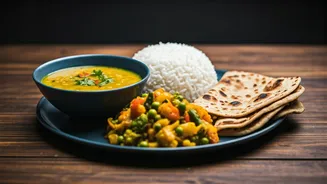
in Latin America, or a simple plate of dal-bhat (lentils and rice) across South Asia. It turns out this culinary wisdom isn't just about flavor. Researchers are increasingly finding that these traditional meals are perfectly designed for nutrient synergy—a concept where combining specific foods makes their nutritional benefits more powerful than if they were eaten alone. It's a modern validation of ancient knowledge, proving that your grandmother’s advice to 'eat your dal with rice' was more than just a household rule; it was nutritional science in action.
The Power of a Complete Protein
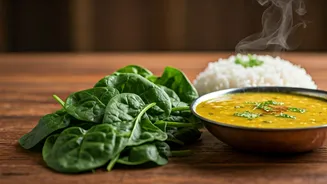
Let’s start with dal and rice, a staple for billions. On their own, both are nutritional powerhouses. Rice provides carbohydrates for energy, while dal (lentils, beans, or peas) is rich in plant-based protein and fiber. But together, they create something special: a complete protein. Proteins are made of building blocks called amino acids. Our bodies need nine 'essential' amino acids that we can only get from food. Animal products like meat, eggs, and dairy typically contain all nine, making them complete proteins. Most plant foods are 'incomplete,' meaning they are low in one or more of these essential amino acids. Here's where the magic happens: Rice is low in the amino acid lysine but has plenty of methionine. Lentils, on the other hand, are packed with lysine but are low in methionine. When you eat them together, their amino acid profiles complement each other perfectly, providing your body with all nine essential building blocks in one simple, affordable, and delicious meal. It’s a biological puzzle solved on a dinner plate.
Unlocking Plant-Based Iron
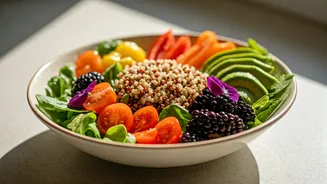
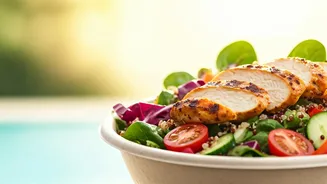
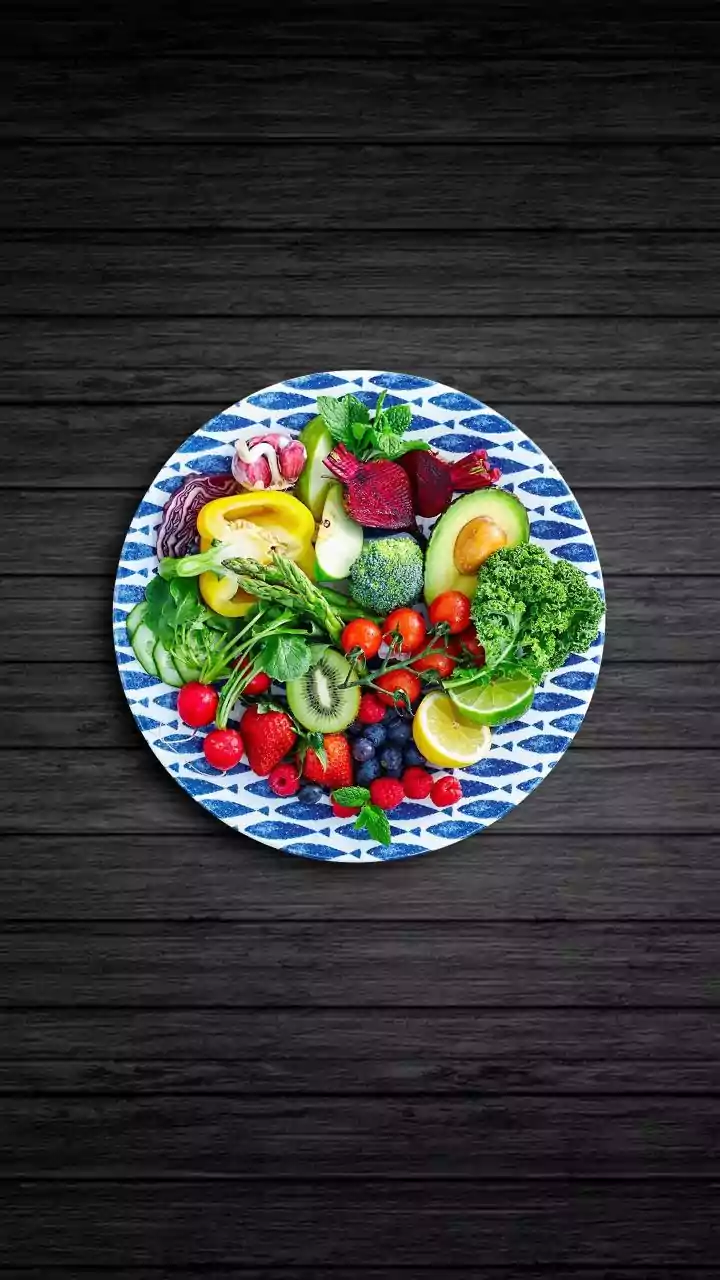
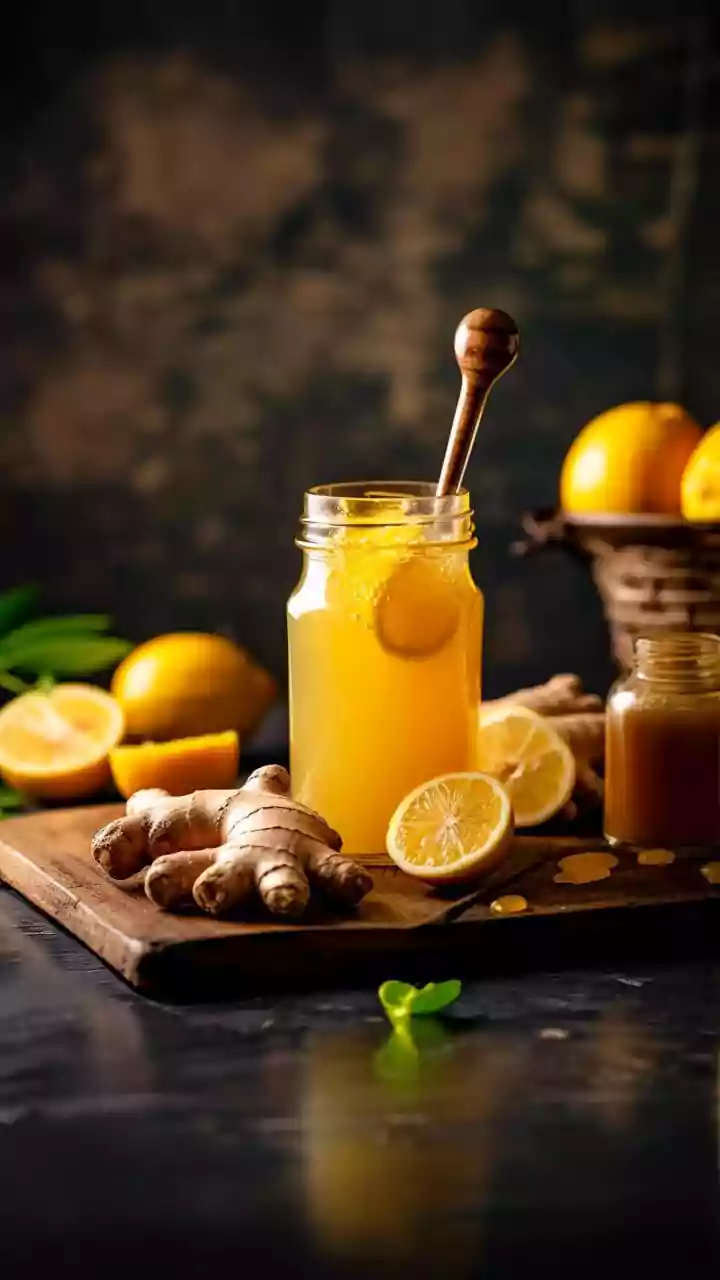
Now, consider spinach and lemon. We all know spinach is famous for its iron content, crucial for energy and preventing anemia. But there’s a catch: the iron in plant-based foods like spinach is 'non-heme' iron, which our bodies find notoriously difficult to absorb. By contrast, 'heme' iron, found in red meat and poultry, is much more readily available. This is where a bright, acidic squeeze of lemon juice comes in. Lemons are loaded with Vitamin C (ascorbic acid), which has been shown to dramatically increase the bioavailability of non-heme iron. Think of Vitamin C as a key that unlocks the iron in the spinach, transforming it into a form your body can easily absorb. One study found that adding a source of Vitamin C to a meal can increase non-heme iron absorption up to six-fold. This principle applies to any pairing of an iron-rich plant (like kale, beans, or fortified cereals) with a Vitamin C-rich food (like bell peppers, broccoli, tomatoes, or strawberries). That simple vinaigrette on your salad is doing more than just adding flavor; it's maximizing your nutrient intake.
More Synergistic Superstars
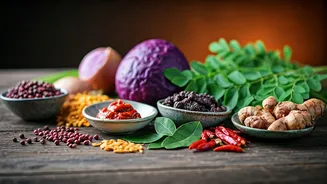
The science of food synergy doesn't stop there. This principle is at play in many of our favorite dishes. For example, the lycopene in tomatoes—a powerful antioxidant linked to reduced risk of certain cancers and heart disease—is fat-soluble. That means drizzling your tomatoes with olive oil, as is common in Mediterranean cuisine, helps your body absorb significantly more of it. Another classic example from Indian cooking is the combination of turmeric and black pepper. The active compound in turmeric, curcumin, is a potent anti-inflammatory, but it’s poorly absorbed on its own. Black pepper contains piperine, a substance that can boost curcumin absorption by a staggering 2,000%. These pairings aren't accidents; they are the result of centuries of culinary evolution that instinctively landed on combinations that are not only tasty but also biochemically brilliant.