






1. Nasturtiums: The Cheerful Protector
If you’re battling aphids on your vegetables, nasturtiums are your best friend. These plants with their vibrant, edible flowers are famously used as a 'trap crop,' luring aphids away from more valuable plants like tomatoes and peppers. They don't mind
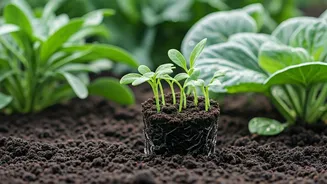
the consistent moisture that comes with a rainy spell; in fact, it often encourages lush, leafy growth. They are incredibly easy to grow from seed, sprouting quickly in damp soil. Their sprawling habit can create a living mulch that helps keep the ground moist and cool. Beyond aphids, they are also known to deter squash bugs and whiteflies, making them a colorful and powerful ally in any damp garden.
2. Mint: The Aromatic Defender
Anyone who has ever planted mint knows two things: it smells amazing, and it wants to take over the world. Its aggressive growth is fueled by moisture, making a rainy month its ideal environment. This vigor can be harnessed for pest control. The strong scent of mint is a powerful repellent for mosquitoes, ants, and even rodents. The key is to control its spread. Plant it in pots or submerged containers in the garden to keep its root system contained. A pot of mint placed on a patio or near a doorway can become a fragrant, self-watering mosquito shield during a wet summer.
3. Marigolds: The Underground Guardian
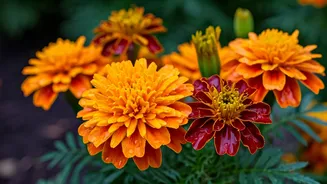
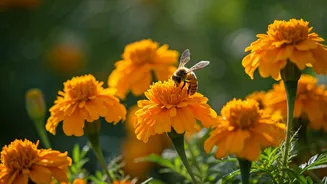
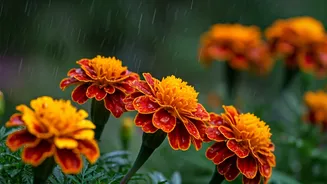
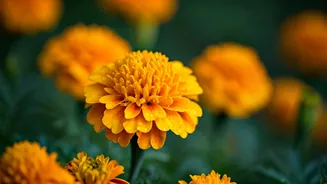
Marigolds are a classic in the pest-control garden, but their utility shines after a wet period. While they prefer full sun, many varieties tolerate moist soil well. Their most significant benefit is underground. The roots of French marigolds release a chemical that is toxic to root-knot nematodes, microscopic worms that can devastate the root systems of tomatoes, peppers, and okra. The effects are not immediate; the marigolds need a full season to effectively 'cleanse' the soil. A rainy start to the season gives them the boost they need to establish a strong root system, maximizing their nematode-fighting power for the rest of the year. Above ground, their pungent scent can also deter rabbits and some beetles.
4. Lemon Balm: The Mosquito Repellent
Like its cousin, mint, lemon balm loves to spread and thrives in damp conditions. This perennial herb has a wonderful, citrusy scent that comes from citronellal, the same compound found in citronella oil. This makes it a fantastic natural mosquito repellent. After a series of downpours, when standing water might lead to more mosquitos, a healthy patch of lemon balm can help make your garden a more pleasant place to be. Crush a few leaves in your hand and rub them on your skin for a quick, fragrant repellent (test on a small patch of skin first). It's also a great plant for attracting pollinators like bees, bringing a welcome buzz to a garden that might otherwise feel quiet and waterlogged.
5. Chives: The Allium Ally
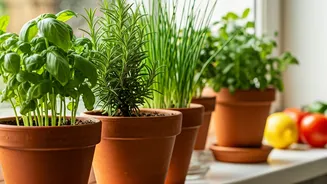
Part of the allium family (along with onions and garlic), chives are a culinary staple that also pulls double duty as a pest deterrent. Their grassy foliage is surprisingly tolerant of wet feet and will grow vigorously during a cool, rainy spring or summer. The oniony scent is effective at confusing and repelling aphids, carrot rust flies, and even the dreaded Japanese beetle. Planting chives around the base of rose bushes is a time-honored trick to reduce aphid infestations. Their purple or white pom-pom flowers are also edible and add a lovely touch to the garden landscape, proving that practical plants can be beautiful, too.