

The Allure of the Monsoon
Imagine trading the sweltering, sticky heat of a megacity for cool, rain-swept air. This is the promise of a monsoon getaway in Maharashtra, the Indian state home to Mumbai. Every year from June to September, the southwest monsoon transforms the arid,
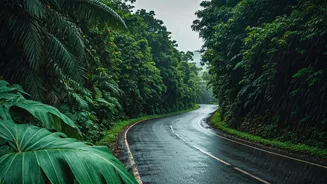
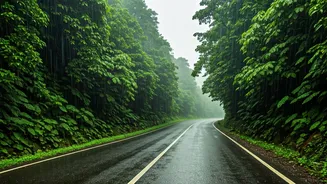
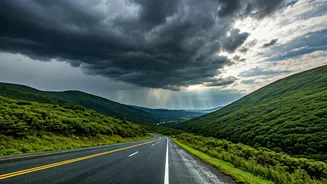
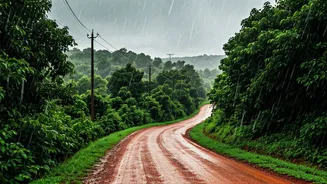
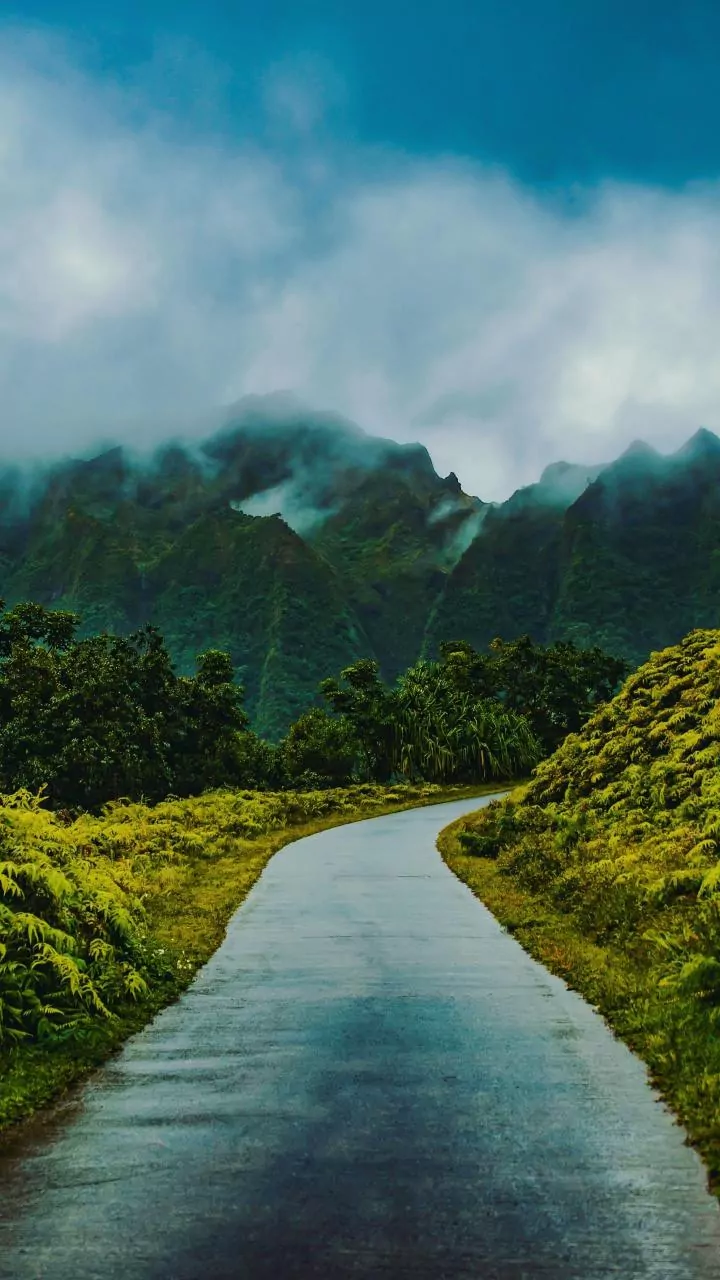
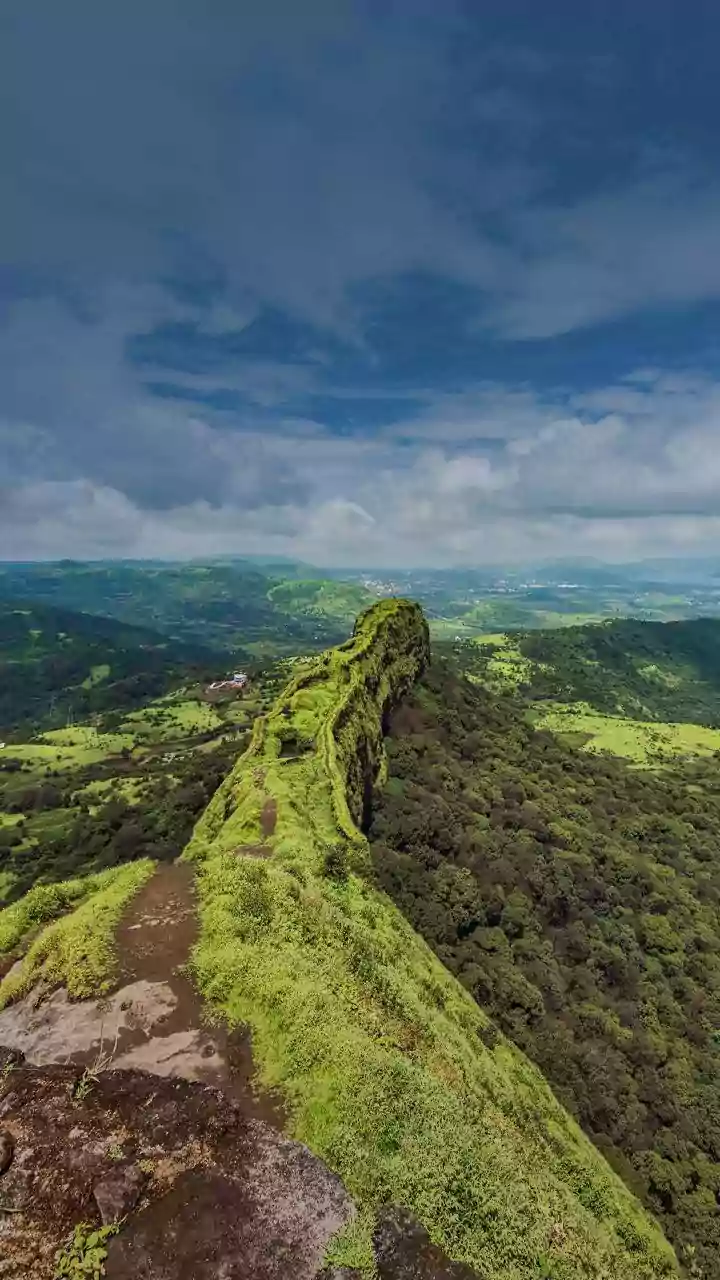
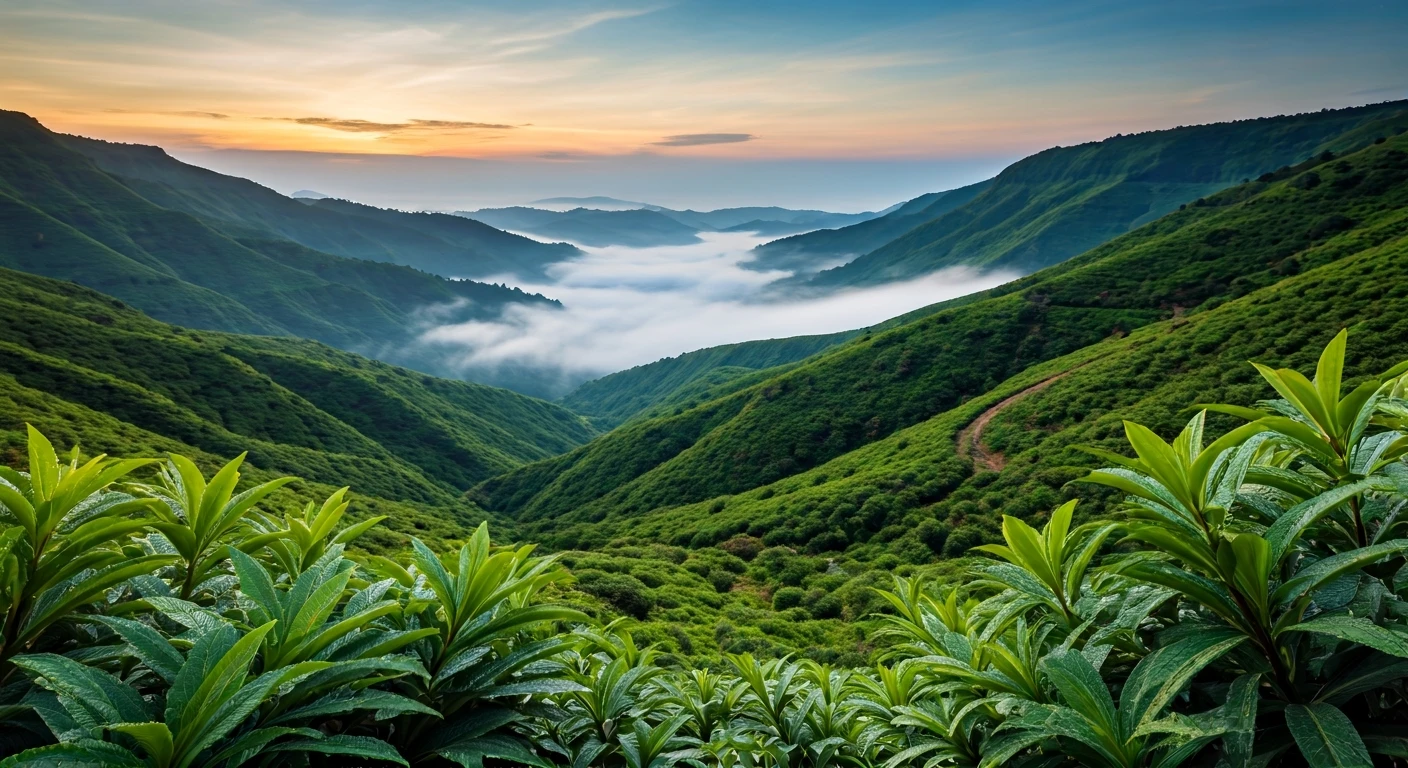
brown hills of the Western Ghats—a mountain range running parallel to the coast—into a fantasy of impossible green. Waterfalls, dormant for months, suddenly cascade down cliffs. The smell of wet earth fills the air, and the entire landscape feels alive. For millions cooped up in apartments, the call of the Ghats is irresistible. Families and friends pile into cars for the drive to popular hill stations like Lonavala, Igatpuri, and Mahabaleshwar. The goal isn't sunshine; it's the opposite. The experience is about sipping hot chai while watching the clouds roll in, eating fried pakoras at a roadside stall as the rain pours down, and feeling dwarfed by the power of nature. It’s a cultural phenomenon, a cherished seasonal ritual.
A Beautiful, Treacherous Gamble
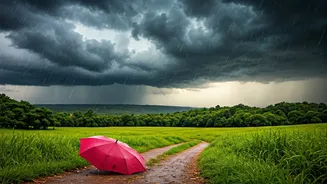
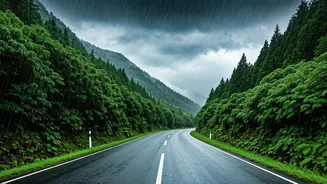
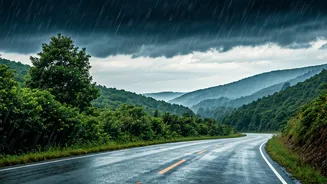
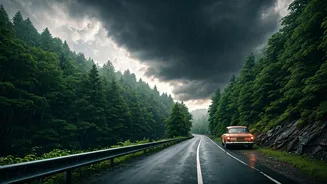
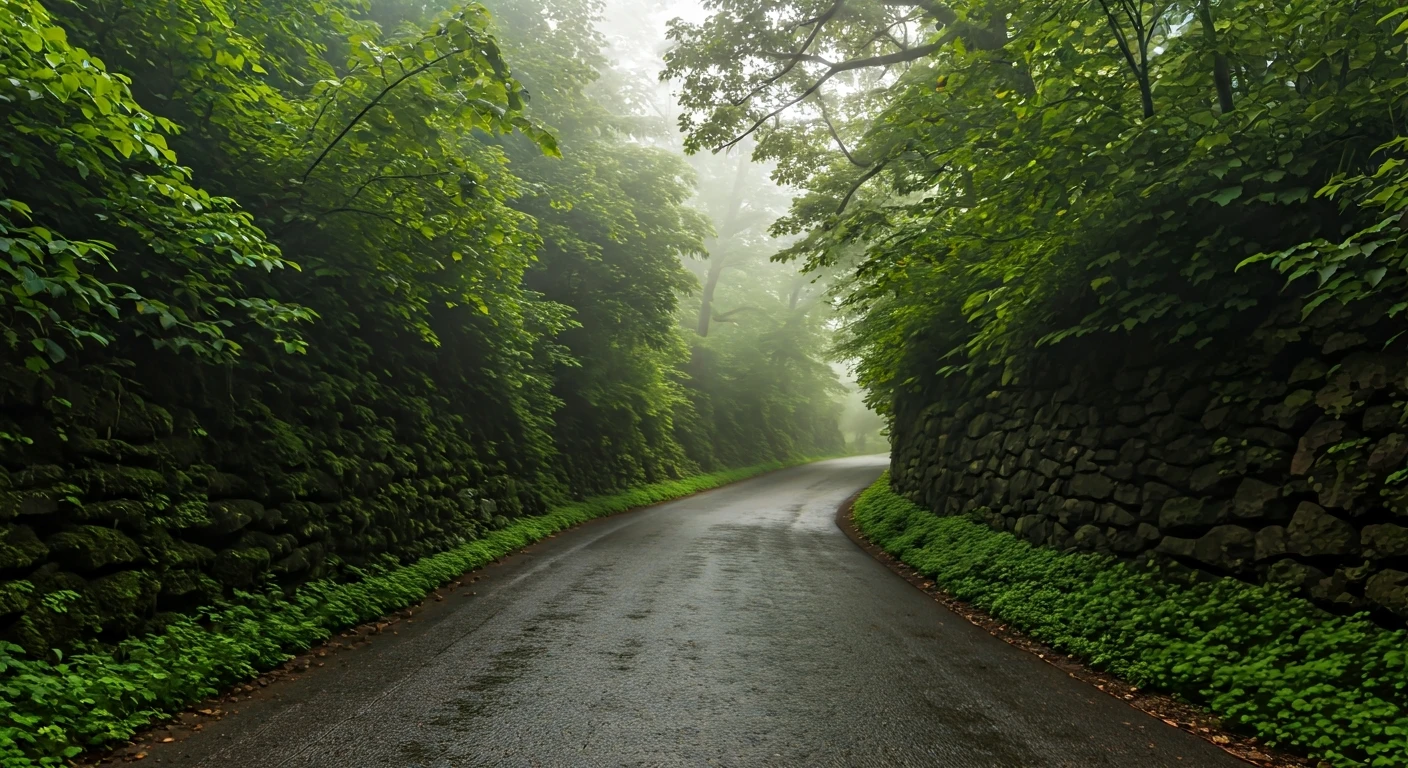
But the romance of the monsoon has always coexisted with a harsher reality. This isn't the gentle, misty rain of the Pacific Northwest. An Indian monsoon can be a violent, overwhelming force. What starts as a scenic drive can quickly become a traveler’s nightmare. The same rains that create spectacular waterfalls also saturate the soil, leading to sudden and often deadly landslides that can sweep cars off mountain roads. Key routes, like the one through the stunning but notoriously dangerous Malshej Ghat, are frequently closed by authorities with little warning. Flash floods can turn gentle streams into raging torrents, cutting off villages and resorts. In recent years, this uncertainty has intensified. The India Meteorological Department (IMD) now regularly issues color-coded alerts—yellow, orange, and red—warning of heavy to extremely heavy rainfall. For weekend travelers, a 'red alert' can mean a trip cancelled at the last minute or, far worse, being stranded far from home.
The Economic Whiplash
This volatility creates a significant economic problem for the small communities in these tourist hotspots. The monsoon season is their peak season. Hotels, guesthouses, restaurants, and countless informal vendors selling everything from roasted corn on the cob to plastic rain ponchos depend on the steady stream of weekend visitors. An official warning or a road closure doesn't just ruin a vacation; it wipes out a weekend’s income. A hotel owner in Mahabaleshwar might see a fully booked Saturday collapse into a sea of cancellations after a red alert is issued on Friday morning. This stop-and-go tourism makes it incredibly difficult for local businesses to plan, invest, or hire staff. The very thing that draws the crowds—the intense rain—is now becoming so intense and unpredictable that it threatens the viability of the entire local tourism ecosystem.
A Changing Climate, A Shifting Reality
While the monsoon has always been variable, many scientists and residents agree that something has changed. Climate change is believed to be influencing the Indian monsoon, making it more erratic. Instead of a steady, predictable pattern of rainfall over four months, the trend is toward long dry spells punctuated by short, cataclysmic bursts of extreme precipitation. A month's worth of rain might fall in just a few days, overwhelming drainage systems and triggering landslides on an unprecedented scale. This isn't just bad luck; it’s a new meteorological reality. This shift forces a difficult question for both travelers and authorities: how do you adapt? More robust infrastructure, better early warning systems, and stricter regulations on construction in ecologically fragile zones are all part of the conversation. But for now, the primary adaptation is simply acceptance of the 'rainy uncertainty.'