


Beyond the Butter Chicken
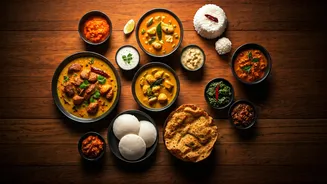
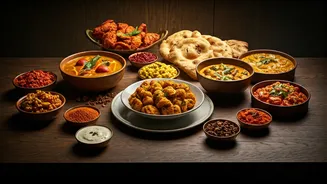
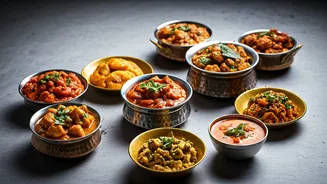
For decades, the American understanding of “Indian food” has been dominated by the rich, dairy-laden gravies of Punjab and North India. Dishes like butter chicken, palak paneer, and creamy kormas became the standard-bearers at restaurants across the country.
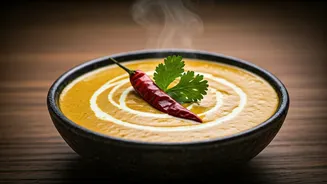
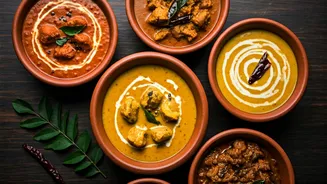
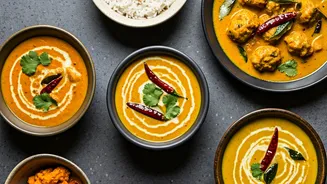
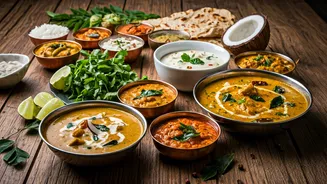
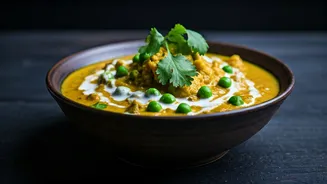
While delicious, this narrow view represents just one slice of a vast and incredibly diverse culinary landscape. Now, a different tradition is making its presence felt: the vibrant, nuanced, and coconut-centric cuisine of South India. From Kerala’s lush backwaters to Tamil Nadu’s temple towns, coconut is not just an ingredient; it’s the heart of the kitchen. Unlike their northern counterparts that rely on cream, yogurt, or cashews for richness, southern curries build their soul on the humble coconut. This fundamental difference creates a flavor profile that is lighter yet deeply complex, and often naturally vegan, aligning perfectly with modern dining trends.
The Soul of the Coconut Coast
To understand these curries, you have to picture their origin. States like Kerala, Karnataka, and Tamil Nadu are draped along India’s tropical coastline, where coconut palms are as common as oak trees in New England. Here, every part of the coconut is used. Its milk, ranging from thin and savory to thick and creamy, forms the base of countless gravies. Freshly grated coconut adds texture and sweetness, while toasted coconut lends a nutty, profound depth.
This isn't the cloyingly sweet, shredded coconut found in the baking aisle. The flavor is savory, subtle, and sophisticated. A classic Kerala fish curry, for example, might balance coconut milk with the sour tang of tamarind and the earthy aroma of smoked paprika. An avial, a celebrated mixed vegetable stew, uses a thick paste of coconut and green chilies, finished with a swirl of coconut oil and a crackle of fresh curry leaves. It's a world away from the heavy, garam masala-forward flavors many associate with the subcontinent.
A Symphony of Spice
The magic of South Indian curries also lies in their unique spice vocabulary. While North Indian cooking often starts with a base of sautéed onions, ginger, and garlic, many southern dishes begin with a tadka or thalipu—a technique where whole spices are bloomed in hot oil to release their essential flavors. Black mustard seeds pop and sputter, fenugreek seeds add a hint of bitter complexity, and aromatic curry leaves (an herb with no relation to curry powder) impart a scent that is citrusy and unmistakable.
These foundational flavors are layered with turmeric, coriander, and a generous amount of black pepper, which has been cultivated in Kerala for millennia and was once known as “black gold.” The result is a brighter, more fragrant heat that complements the cooling creaminess of the coconut milk, creating a dynamic push-and-pull on the palate.
Why the Breakout Is Happening Now
Several forces are driving this global moment. First, the growing interest in plant-based eating has made diners seek out cuisines that are inherently vegan-friendly. South Indian food, with its reliance on coconut milk and lentils, offers a treasure trove of options that don't feel like a compromise. Second, there's a broader cultural shift toward appreciating regional specificity in food. Just as diners learned to distinguish between Neapolitan and Sicilian pizza, they are now eager to explore the differences between Punjabi and Keralan cooking.
Social media has also played a massive role. Food bloggers and TikTok creators have introduced dishes like ishtew (a mild, fragrant stew) and fiery Chettinad chicken to a new generation, demystifying the ingredients and techniques. Chefs in cities like New York, London, and San Francisco are also championing these flavors, opening restaurants that proudly focus on the food of their southern heritage, moving beyond the tired buffet model and offering a more authentic, refined experience.