
First, What Exactly Is a Tiffin?
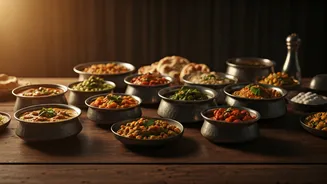
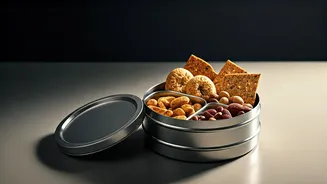
For millions in South Asia and its diaspora, “tiffin” is more than just a lunchbox. The word itself, a relic of British India, refers to a light midday meal. But it’s most famously associated with the stacked, multi-tiered metal containers used to transport
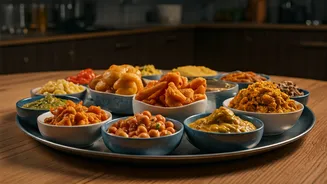
it. In cities like Mumbai, an intricate network of couriers, or *dabbawalas*, delivers thousands of these tiffins daily, carrying fresh, hot meals from home kitchens to office desks. As a result, the tiffin has become a powerful symbol: it represents the care of a home-cooked meal, the rejection of a sad desk lunch, and a direct link to family and tradition, even in the middle of a busy workday. It’s a physical object that carries an emotional weight—one filled with dal, rice, sabzi, and the comfort of home.
The Power of Food Memory
This emotional connection is precisely what brands are tapping into. For first- and second-generation immigrants, the flavors packed inside a tiffin are a direct line to childhood. It’s a specific kind of nostalgia, one tied to the unique tastes of a family’s regional cooking, not the generic “curry” found in many Westernized restaurants. Entrepreneurs from the South Asian diaspora are now building companies around these very memories. They recognize a hunger, both literal and figurative, for authentic flavors that don’t require hours in the kitchen. For a wider American audience, increasingly adventurous in their eating habits, these snacks offer a taste of something real and story-driven. A bag of lentil puffs isn't just a snack; it's an entry point to the flavors of a Gujarati kitchen. A jar of spicy achaar isn't just a condiment; it's a taste of a grandmother's pantry.
From Lunchbox to Snack Aisle
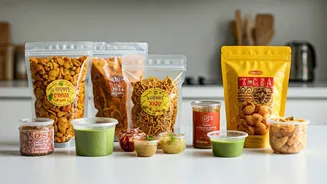
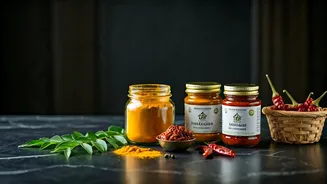
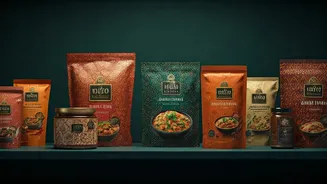
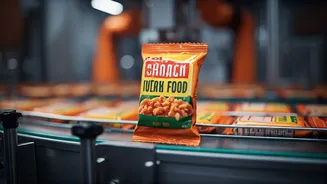
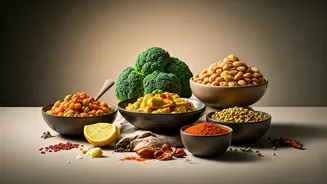
The translation from a multi-course meal to a grab-and-go snack is where the innovation lies. You won’t find a full thali in a bag, but you will see its essence. Think of crunchy chickpea snacks from brands like Saffron Road, seasoned with tangy tamarind and spicy masala, mimicking the flavors of street-side chaat. Consider the rise of savory yogurts that echo the flavors of a cooling raita or a salty lassi. Companies like Brooklyn Delhi have found huge success by bottling complex, homestyle condiments like achaar (pickles) and chutneys, allowing anyone to add a burst of authentic Indian flavor to a simple meal. Newer brands are launching puffed water lily seeds (makhana) or grain-free puffs made from lentils and chickpeas, all seasoned with turmeric, cumin, and coriander. These products deliver the soul of a tiffin—complex, savory, and deeply satisfying—in a form that fits modern, on-the-go lifestyles.
Walking the Authenticity Tightrope
This trend isn’t without its challenges. The very thing that makes a tiffin special is its hyper-personal, non-commercial nature. How do you scale that without losing the magic? For these brand founders, it’s a delicate balancing act. They are under pressure to be “authentic,” a loaded term that can mean different things to different people. They must honor the traditions that inspired their products while also creating something with broad appeal and a viable shelf life. Many navigate this by centering their own family stories in their marketing, positioning their products not as a replacement for a home-cooked meal, but as a tribute to it. They aren’t just selling a snack; they’re sharing a piece of their heritage, inviting customers to participate in a story that began in a kitchen halfway around the world.