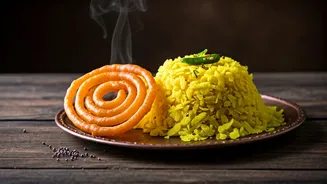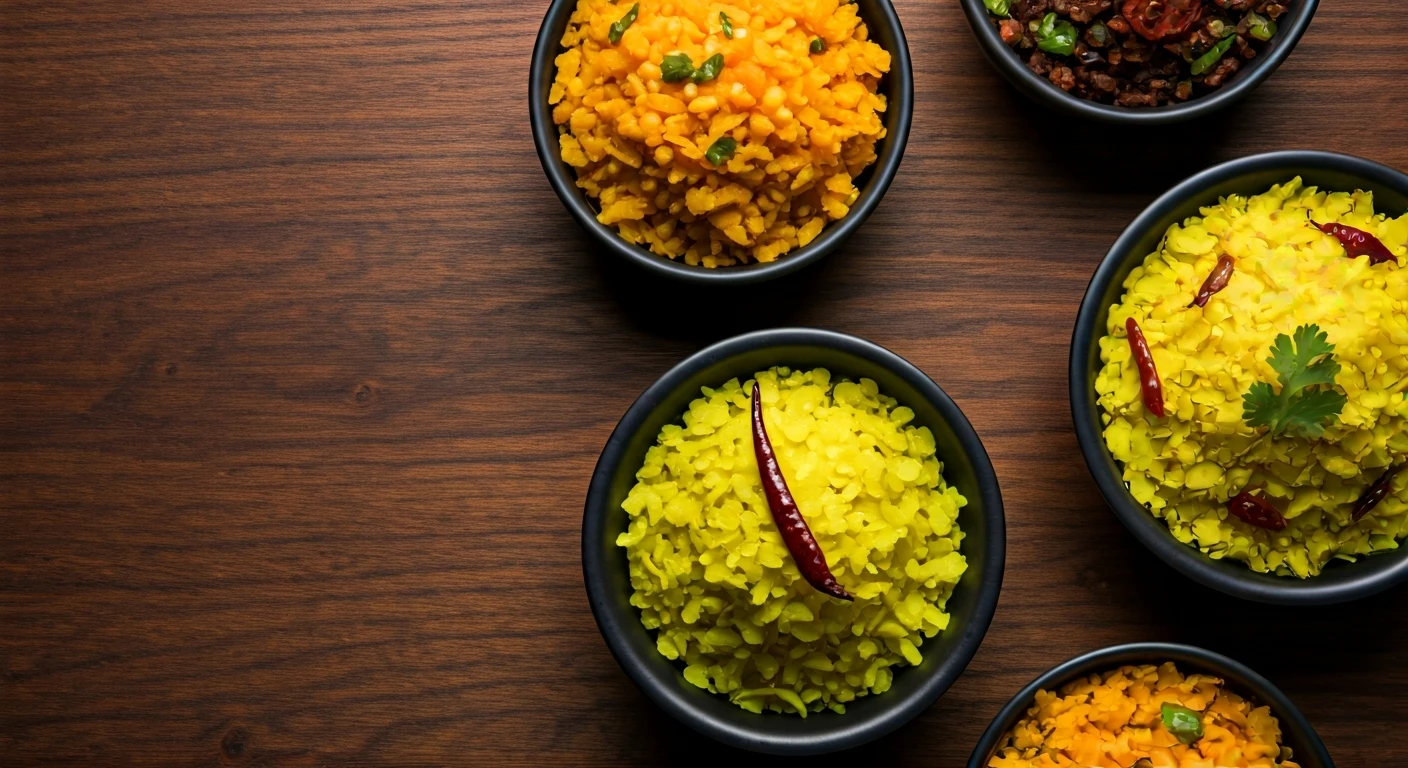

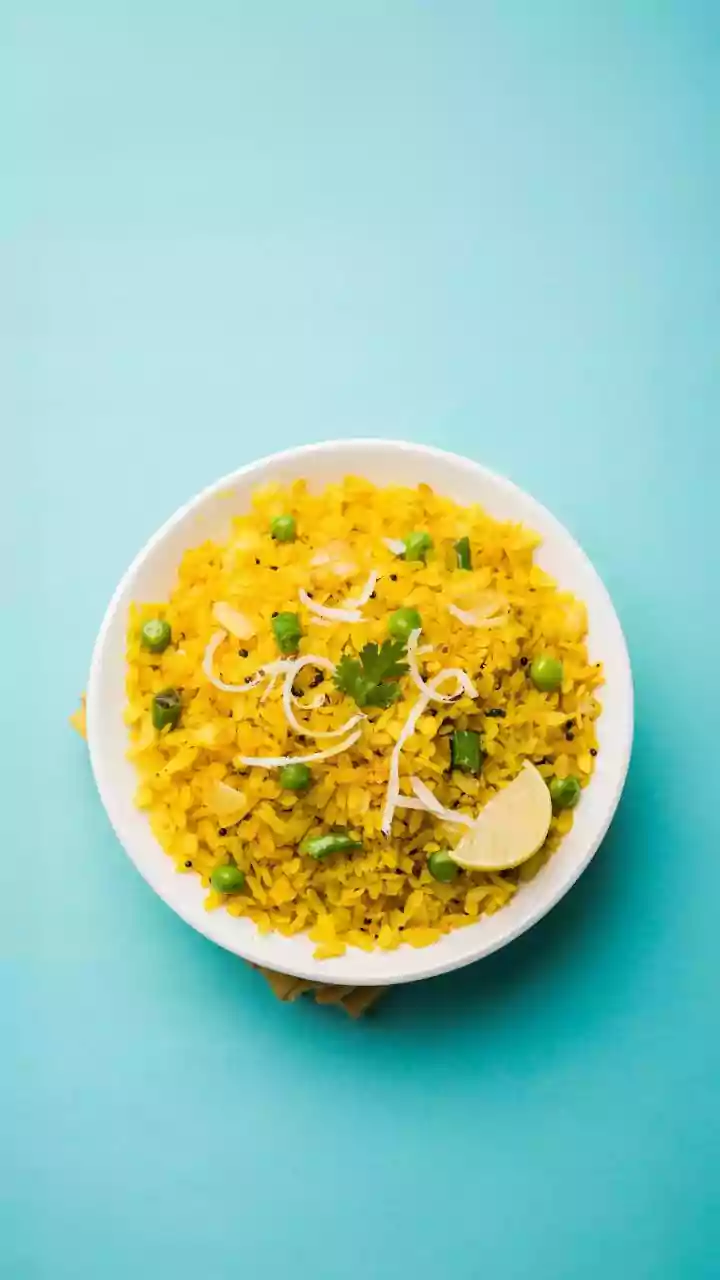

First, What Exactly Is Poha?
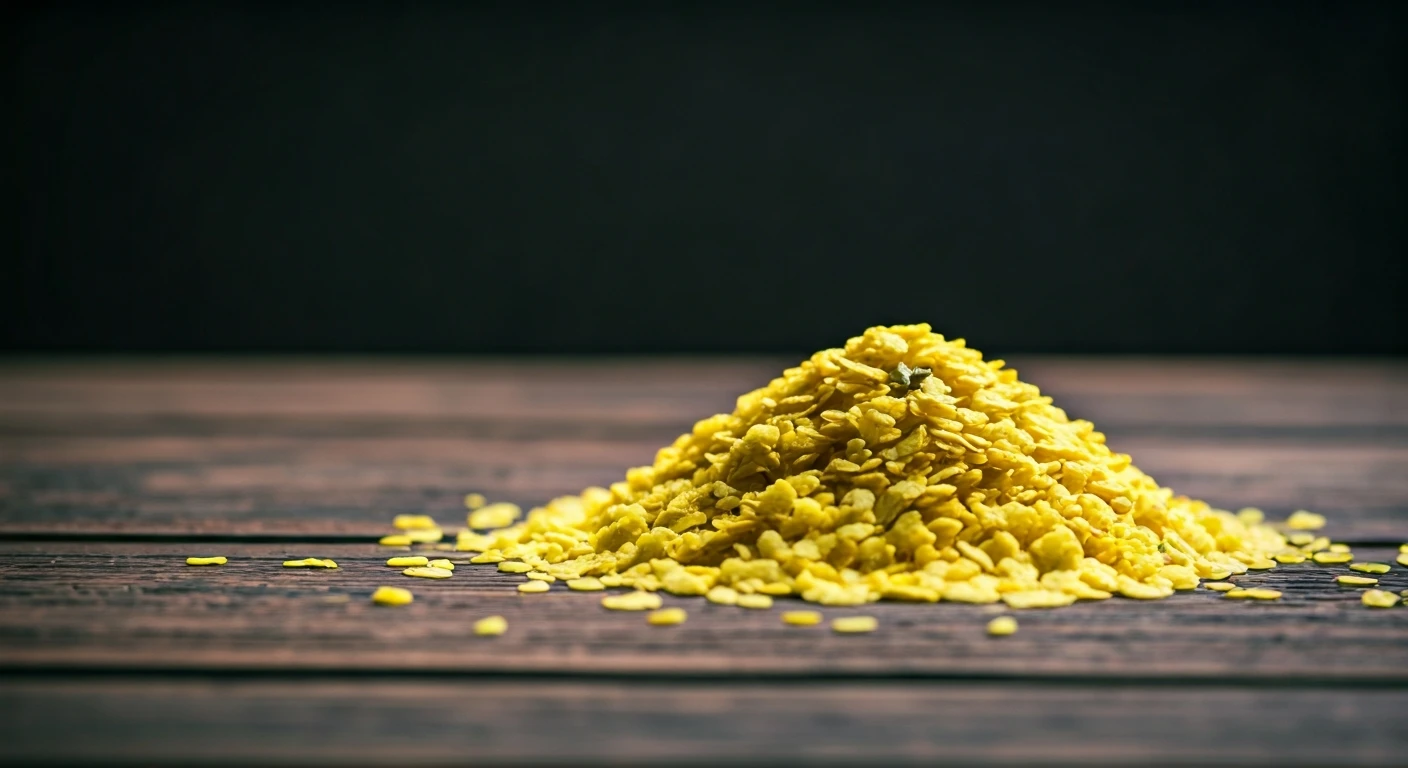
Before we dive into the regional variations lighting up your screen, let's start with the basics. Poha is the Hindi word for flattened or beaten rice—parboiled rice that's been rolled, flattened into light, dry flakes, and then dried. Think of it as the Indian
equivalent of rolled oats, but with a completely different texture and culinary application. On its own, it’s a blank canvas. When rehydrated and cooked, it becomes fluffy, tender, and incredibly absorbent, ready to soak up any flavor you throw at it. It’s naturally gluten-free, light on the stomach, and famously quick to prepare, making it a breakfast and snack-time hero across India. The reason it’s trending now is that American foodies are discovering that “poha” isn’t a single dish, but a whole universe of flavor combinations.
Kanda Poha: The Maharashtrian Classic
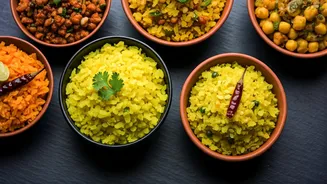
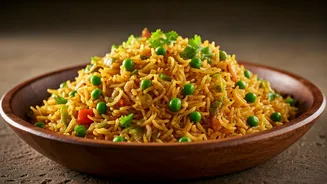
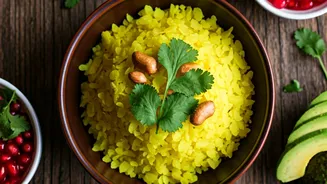
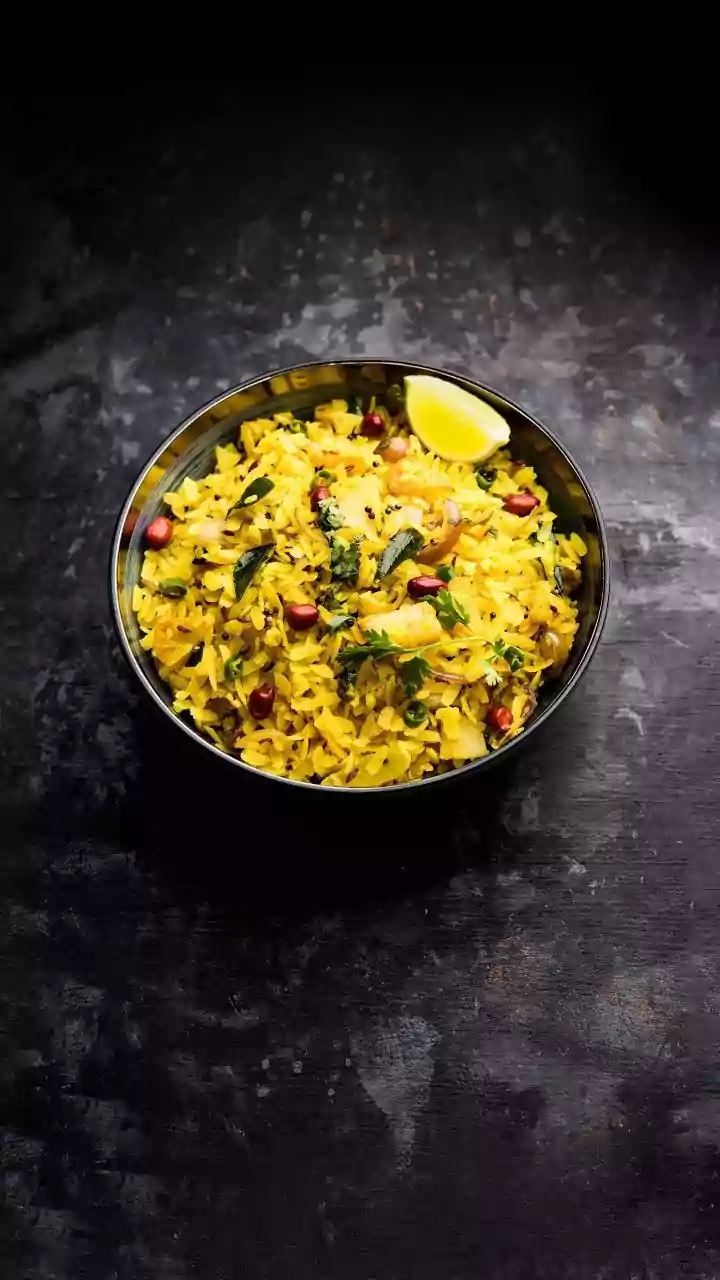
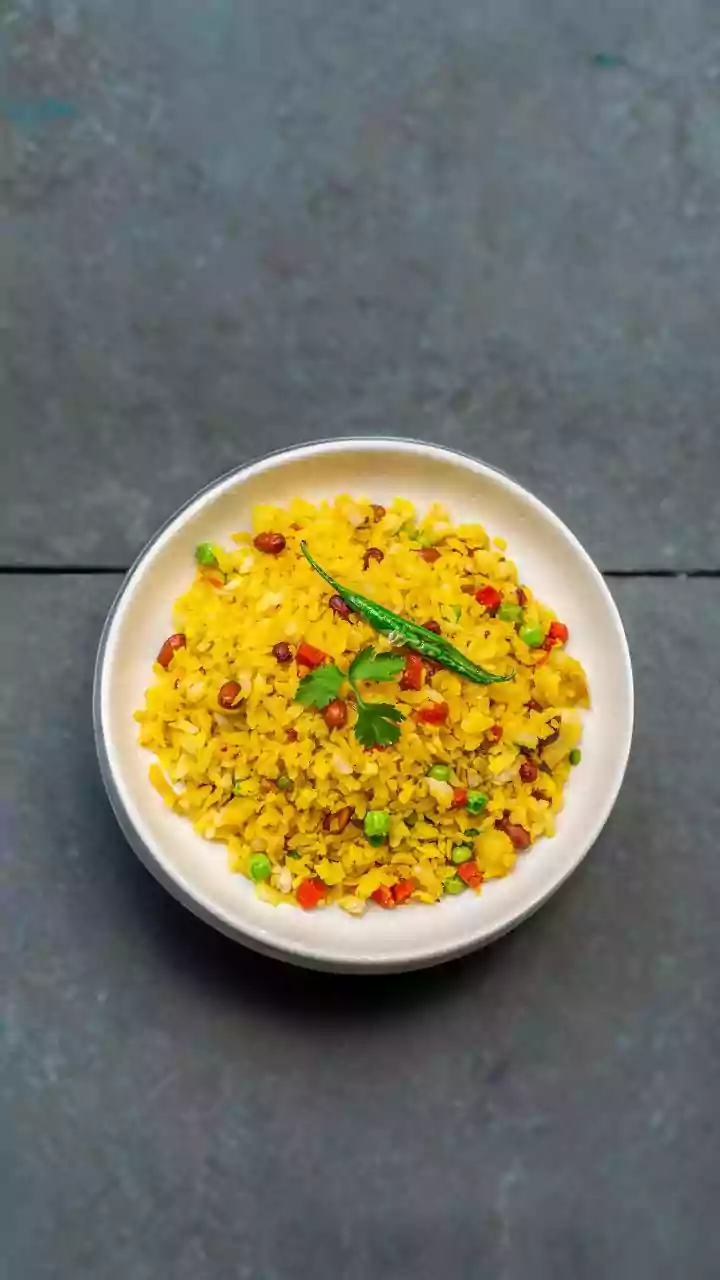
If you’ve had poha at an Indian restaurant in the U.S., it was likely Kanda Poha. Hailing from the western state of Maharashtra, this is the beloved, foundational recipe for many. The name says it all: ‘kanda’ means onion. This version is a savory masterpiece built on a base of tempered spices like mustard seeds and curry leaves, followed by a generous amount of sautéed onions. Turmeric gives the dish its signature sunny yellow hue. Often, boiled potatoes (‘batata’) are added for extra heartiness, turning it into Kanda Batata Poha. It’s garnished simply with fresh cilantro and a squeeze of lime, creating a perfect balance of savory, aromatic, and tangy notes. It's the dependable, delicious workhorse of the poha world and the perfect entry point for any newcomer.
Indori Poha: The Sweet and Savory Star
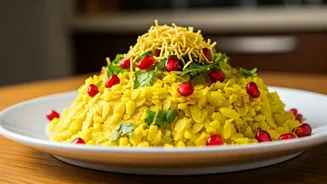
This is the version that truly captures the imagination on social media, thanks to its complex flavors and vibrant toppings. Originating from Indore, a city in Madhya Pradesh famous for its street food, Indori Poha is a masterclass in texture and taste. The preparation is softer and steamier than its Maharashtrian cousin. The real magic, however, lies in the seasoning and the garnish. A special spice blend called ‘jeeravan masala’ lends a unique, tangy heat, while a pinch of sugar balances the savory notes. But the toppings are the main event: a mountain of crispy, fine sev (fried chickpea noodles), chopped onions, and a sprinkle of pomegranate seeds for a sweet, juicy pop. It’s a riot of sweet, sour, spicy, soft, and crunchy all in one bite.
Nagpur Tarri Poha: The Spicy Powerhouse
For those who like it hot, Tarri Poha is the answer. A specialty from Nagpur, another city in Maharashtra, this dish takes poha and turns it into a two-part culinary experience. First, you have the poha itself, which is simpler and less adorned than other versions, acting as a neutral, fluffy base. The star of the show is the ‘tarri’—a fiery, thin gravy made from black chickpeas (kala chana), onions, tomatoes, and a potent blend of spices. The poha is served in a bowl and then drenched with the hot, spicy tarri right before eating. The combination is electric: the soft rice soaks up the spicy, flavorful liquid, creating a comforting yet thrilling meal. It's a breakfast that will definitely wake you up, showcasing how poha can be transformed from a dry dish into something entirely different.
Dahi Poha: The No-Cook Cool Down
Not all poha is served hot. Dahi Poha, also known as Gopalkala, is a cooling, no-cook preparation that’s especially popular during religious festivals or in warmer climates. The flattened rice flakes are simply rinsed and soaked in yogurt (‘dahi’). From there, it's a matter of preference. Some mix in chopped cucumbers, green chilies, and ginger for a savory crunch. Others lean into a sweeter profile with grated coconut, jaggery or sugar, and fruits like banana or pomegranate. It's less of a structured recipe and more of a concept—a refreshing, probiotic-rich dish that comes together in minutes. Seeing this version online helps illustrate the incredible versatility of flattened rice, serving as a reminder that it can be the base for a savory breakfast, a spicy meal, or a cool, creamy snack.