



So, What Is 'Hormone-Aware Eating'?
At its core, hormone-aware eating—also known by its more popular name, 'cycle syncing'—is the practice of tailoring your diet, and often your exercise and lifestyle, to the different phases of the menstrual cycle. The central idea is that the dramatic
hormonal fluctuations of estrogen and progesterone that occur throughout the month don't just affect mood and fertility; they also impact your energy levels, metabolism, appetite, and nutritional needs. Instead of fighting against these natural rhythms, proponents suggest you should eat in a way that supports them. Think of it as moving from a static, 365-days-a-year diet plan to a dynamic one that changes week by week, in sync with your body.
A Quick Tour of Your Cycle
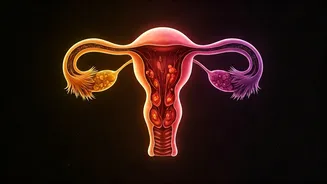
To understand the diet, you need to understand the four phases it's built around. First is the menstrual phase (your period), when both estrogen and progesterone are low. Next comes the follicular phase, which starts on day one of your period and lasts until ovulation, during which estrogen rises to prepare an egg for release. The ovulatory phase is the short, 24- to 48-hour window when the egg is released, marked by a peak in estrogen. Finally, the luteal phase kicks in after ovulation and lasts until your next period. During this phase, progesterone rises to prepare the uterus for a potential pregnancy, and if none occurs, both hormones drop, triggering menstruation and starting the cycle all over again. It's this hormonal ebb and flow that cycle syncing aims to support.
The 'Cycle Syncing' Plate
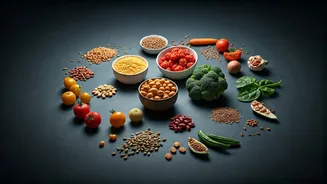
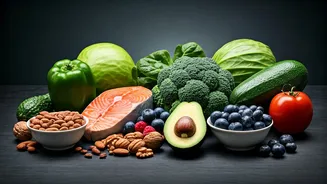
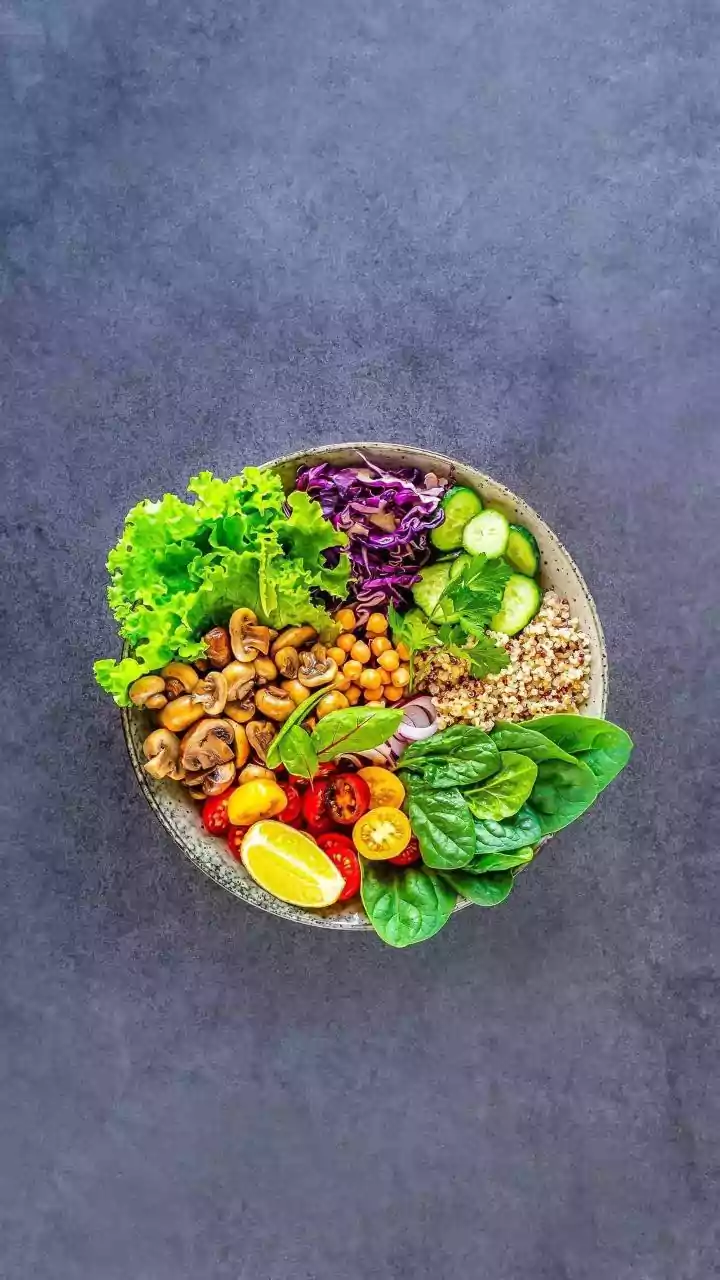
So, what does this look like in the kitchen? While specific plans vary, the general recommendations follow a pattern. During the menstrual phase, the focus is on replenishment, with an emphasis on iron-rich foods like red meat, beans, and leafy greens to counteract blood loss, along with anti-inflammatory foods like fish and berries. In the follicular phase, as estrogen rises and your energy returns, the diet favors fresh, lighter foods like lean proteins, steamed vegetables, and fermented foods. During ovulation, when you’re at your peak, recommendations often include high-fiber foods to help process the estrogen surge. Finally, the dreaded luteal phase—often associated with PMS—calls for complex carbohydrates like sweet potatoes and whole grains to stabilize blood sugar and mood, plus magnesium-rich foods like dark chocolate and nuts to curb cravings and reduce cramps.
But Does The Science Actually Back It Up?
This is where things get complicated. While the concept is intuitively appealing, the hard scientific evidence for specific food-phase pairings is thin. Many registered dietitians and endocrinologists are quick to point out that there are no large-scale, high-quality human trials proving that eating broccoli during your ovulatory phase, for example, has a measurable impact on hormonal health. What *is* well-supported is the underlying nutritional wisdom. Eating iron-rich foods is always important, especially if you menstruate. Consuming fiber is crucial for gut health and hormone metabolism. Managing blood sugar with complex carbs is a proven strategy for mood and energy stability. In essence, cycle syncing packages solid, general nutritional advice into a new, cycle-focused framework. The primary benefit, many experts agree, isn't from the specific food prescriptions but from the increased 'body literacy'—the act of paying close attention to your body's signals and responding with nourishing foods.
The Real, Practical Takeaway
You don't need a color-coded chart of seeds and vegetables to start eating in a more hormone-aware way. Instead of strictly adhering to a rigid cycle-syncing plan, a more flexible and evidence-backed approach is to simply tune in. Notice when your energy dips. Track when cravings for salt or sugar hit. Pay attention to bloating or digestive changes. If you feel fatigued and depleted during your period, focus on comforting, nutrient-dense meals. If you feel a surge of energy mid-cycle, lean into lighter, fresher foods. The power of this trend isn't in its rigid rules but in its permission slip to stop following a one-size-fits-all approach and start listening to the personalized feedback your body gives you every single day.