



Master the Art of Layering
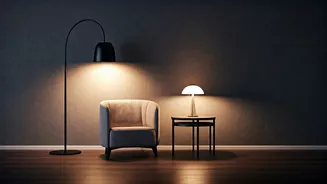
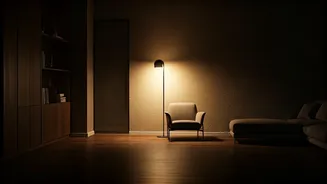
Professional designers don't just use one light source; they layer three distinct types. Start with ambient lighting, the general, room-filling glow from a ceiling fixture or recessed cans. Next, add task lighting for specific activities—a reading lamp
by a chair, under-cabinet lights in the kitchen, or a desk lamp in the office. Finally, bring in the drama with accent lighting. This is the key. Use spotlights or track lighting to highlight a piece of art, an architectural feature like a fireplace, or a beautiful plant. The interplay between these three layers creates depth, eliminates harsh shadows, and makes a room feel dynamic and thoughtfully designed.
Embrace the Almighty Dimmer Switch
If you make only one change, let it be this. Installing dimmer switches is a relatively simple, low-cost upgrade that provides an incredible return on drama. A room's needs change throughout the day. Bright light is great for cleaning or focused work, but for a dinner party or a relaxing evening, you want a soft, warm glow. Dimmers give you complete control over the mood. Being able to lower the lights instantly creates a sense of intimacy and sophistication. It’s the difference between a cafeteria and a fine-dining restaurant, and you can have it in every room of your house.
Think Vertically with Pendants and Sconces
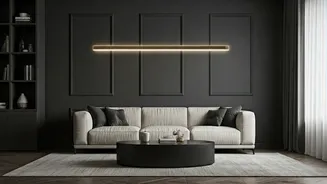
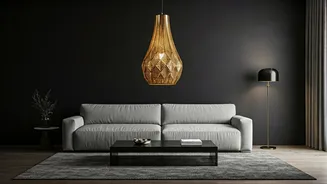
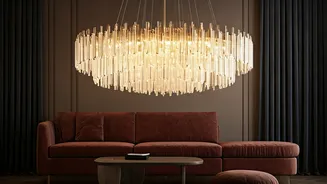
Too often, we only think about lighting from the ceiling down. Break out of that habit by incorporating vertical light sources. Wall sconces are fantastic for flanking a mirror, a bed, or a piece of art, casting a beautiful, soft light that feels more atmospheric than an overhead source. Similarly, a dramatic pendant light—or a cluster of them—can serve as a stunning focal point over a dining table, kitchen island, or in a tall entryway. These fixtures draw the eye upward, making ceilings feel higher and adding a strong vertical element that gives the room an architectural anchor.
Choose Fixtures as Sculptural Objects
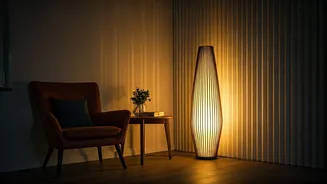
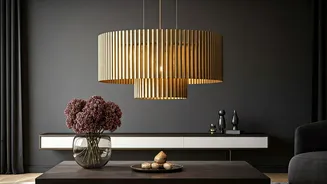
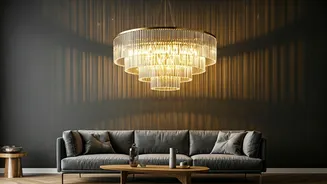
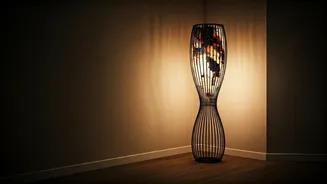
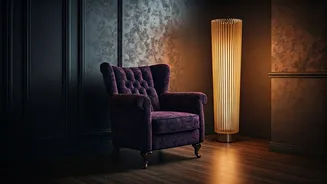
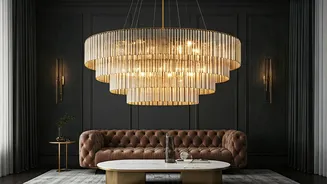
A light fixture shouldn't just be a functional object that holds a bulb; it can be a piece of art in its own right. When a light is off during the day, it should still add to the room's aesthetic. Think of your lighting choices as the 'jewelry' for your space. A bold, sculptural chandelier, a pair of uniquely shaped table lamps, or a sleek, minimalist floor lamp can make a powerful design statement. Don't be afraid to choose something with personality. A dramatic fixture can anchor a room's entire style, whether it's mid-century modern, industrial, or glam.
Mind Your Color Temperature
Not all light bulbs are created equal. The color of the light they emit, known as color temperature and measured in Kelvins (K), has a massive impact on a room's feel. For living rooms, bedrooms, and dining areas where you want a cozy, inviting atmosphere, look for bulbs in the 2700K to 3000K range. This is 'warm white' light that mimics candlelight or an incandescent bulb. 'Cool white' light (3500K-4100K) and 'daylight' (5000K+) can feel sterile and harsh in living spaces, making them better suited for garages, workshops, or home gyms. Using warm light is an instant shortcut to a more dramatic and welcoming environment.
Create a Focal Point with a Spotlight
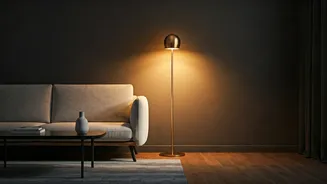
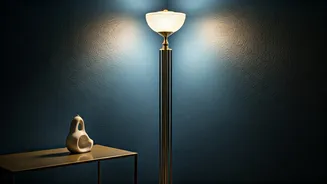
Every room benefits from a clear focal point. While this is often a fireplace or a large window, you can create one with light. An adjustable floor lamp or a ceiling-mounted spotlight can be aimed directly at your favorite painting, a bookshelf, or a striking vase. This technique, called 'wall grazing' or 'highlighting,' tells people where to look and adds a museum-like quality to your decor. By casting one specific object in a pool of light while the surrounding area remains softer, you create a powerful sense of contrast and visual intrigue. It’s pure, effortless drama.