





An Engineering Marvel from Another Era
When Americans think of epic train journeys, they might picture the California Zephyr crossing the Rockies. But halfway across the world, an equally stunning, albeit much slower, adventure exists. The Kalka-Shimla Railway, affectionately known as a “toy
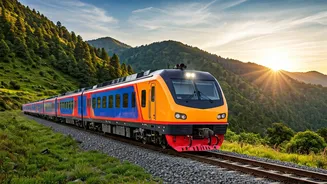
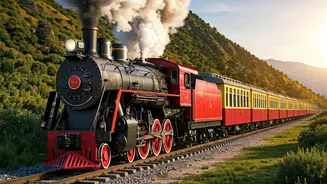
train,” is a narrow-gauge line stretching 60 miles (96 km) through the Himalayan foothills. Designated a UNESCO World Heritage site, it’s not just a mode of transport but a rolling museum piece. Built by the British in the late 19th and early 20th centuries, the railway was an engineering marvel designed to connect the plains of Kalka with Shimla, the former summer capital of British India. For officials and their families escaping the sweltering heat of Delhi, this train was a lifeline. The 'toy' moniker comes from its diminutive size—the carriages and engine are scaled down to navigate the steep gradients and sharp curves of the mountainous terrain. Riding it feels less like modern transit and more like stepping into a storybook.
A Slow Ride Through Breathtaking Scenery
The journey is the destination here. While a car can cover the distance in a few hours, the train takes a leisurely five to six, and that’s precisely the point. The slow pace is an invitation to disconnect and soak in the views. As the train climbs over 4,600 feet, the landscape transforms from dusty plains to lush pine and deodar forests. Quaint, colonial-era stations with names like “Barog” and “Solan” pop up along the route, seemingly frozen in time.
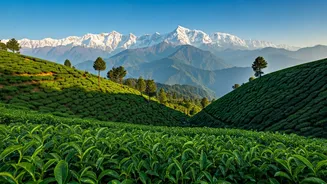
The real showstoppers are the tunnels and bridges. The line famously crosses 864 bridges and passes through 103 tunnels, the longest of which, the Barog Tunnel, is shrouded in local legend. The train’s rhythmic click-clack and the dramatic shifts from bright sunlight to cool, dark tunnels create a hypnotic effect. Passengers press against the windows to catch glimpses of terraced farms, cascading waterfalls, and distant snow-capped peaks. It’s a profoundly analog experience in a digital world.
Washed Away, But Not Defeated
This iconic journey has faced numerous interruptions over the years, but none as severe as the one in 2023. During a particularly ferocious monsoon season, torrential rains and landslides wreaked havoc on the line. Sections of the track were literally washed away, dangling precariously over collapsed hillsides. Bridges were damaged, and the route was deemed unsafe, forcing a complete suspension of the full service from Kalka to Shimla in July 2023. For months, the beloved train fell silent on its most iconic stretch.
While the headline’s “4 years” points to a longer history of intermittent service disruptions, including those during the pandemic, the 2023 monsoon damage was the most catastrophic and immediate threat to the railway’s existence. The closure was a blow not just to tourism but to the local communities who rely on the train for daily transit.
The Remarkable Road to Recovery
Bringing the railway back to life was a monumental task. Indian Railways engineers and workers labored for months in treacherous conditions to rebuild the line. They constructed new retaining walls, stabilized hillsides, and painstakingly relaid the tracks on sections that had vanished. The restoration was celebrated as a triumph of engineering and a commitment to preserving a vital piece of national heritage.
In late 2023, partial services were restored, but the recent announcement marks the full return of the entire, uninterrupted Kalka-Shimla route. The cheerful toot of the toy train's horn once again echoes through the valleys, signaling that the connection is whole again. For travelers and locals alike, its return is a symbol of resilience—a testament to the idea that some things are too special to let go of.