

The Joy of a Rainy Day Tradition
In many South Asian cultures, the sound of rain is practically synonymous with the sizzle of pakoras hitting hot oil. If you’re not familiar, pakoras are savory fritters made by dipping vegetables like onions, potatoes, or spinach into a spiced batter,
usually made from chickpea flour (besan), and deep-frying them to golden-brown perfection. Served steaming hot, often with a tangy chutney, they are the ultimate comfort food for a dreary day. It’s a multisensory experience: the smell of spices, the sound of the crunch, the warmth spreading through you. This isn't just a snack; it's a nostalgic, communal ritual that turns a gloomy day into a cozy celebration.
Why Your Stomach Protests
So why does this delightful experience so often end with you feeling like an overinflated balloon? The culprit is a combination of factors. First, fried foods are high in fat, which significantly slows down stomach emptying. This means the food sits in your gut longer, giving you that heavy, sluggish feeling. Second, pakoras are often well-salted, and high sodium intake causes your body to retain water, leading to that puffy, bloated sensation. Finally, the chickpea flour itself, while delicious, is high in fiber and complex carbs that can be difficult for some people to digest, leading to gas and bloating as gut bacteria work to break them down. It’s a perfect storm for digestive discomfort.
Hack 1: The Right Drink at the Right Time
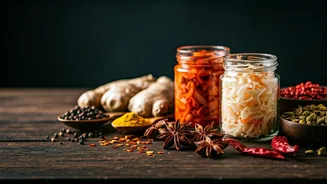
Counterintuitively, chugging a huge glass of ice water alongside your pakoras might not be the best move, as it can dilute digestive enzymes. Instead, focus on hydration before you eat. A better strategy is to sip on a warm, digestive-friendly beverage after your snack. Ginger tea is a classic choice, known for its anti-inflammatory properties and its ability to relax the digestive tract. Peppermint tea can also help soothe stomach muscles and relieve gas. In many Indian households, a post-meal drink of hot water with ajwain (carom seeds) is a go-to remedy for indigestion, as the seeds are believed to have powerful anti-gas properties.
Hack 2: Don't Skip the Chutney
That little bowl of green chutney served with your pakoras isn’t just a flavor booster—it’s a functional part of the meal. A traditional cilantro-mint chutney is packed with ingredients that aid digestion. Mint is a well-known carminative, meaning it helps expel gas from the intestines. Cilantro is also believed to support healthy digestion, and the addition of ginger, garlic, or lemon juice in many recipes further enhances its digestive benefits. So, don't be shy with the chutney; it’s there to do more than just taste good.
Hack 3: Take a Gentle Stroll
The urge to curl up on the couch after a plate of warm, fried snacks is powerful. Resist it. You don't need to run a marathon, but a short, gentle walk after eating can work wonders for digestion. Light physical activity helps stimulate peristalsis—the wave-like muscle contractions that move food through your digestive tract. This can prevent that 'food sitting like a rock' feeling and help move along any gas that's building up. A 10-to-15-minute walk around the block is all it takes to help your body process the meal more efficiently.
Hack 4: Practice Mindful Moderation
This might be the most obvious tip, but it's also the most effective. Pakoras are incredibly moreish, and it's easy to lose track of how many you've eaten until it's too late. The key is to savor them. Instead of mindlessly popping one after another, take the time to appreciate each bite. Focus on the crispy texture, the spicy flavor, and the warmth. By eating slowly and mindfully, you not only enjoy the experience more, but you also give your brain time to register fullness. Often, you’ll find that a small, satisfying portion of three or four pakoras is all you really needed to honor the craving.