






The Anatomy of a New Weekend
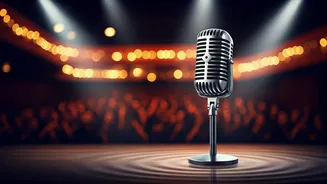
Step into a basement club in Mumbai, a converted pub in Bangalore, or a pop-up venue in Delhi on a Friday night. The scene is electric, but not with the thumping bass of a DJ. It’s filled with the crackle of anticipation and waves of laughter. Young,
upwardly mobile professionals, college students, and dating couples pack into tightly arranged chairs, their faces illuminated by a single spotlight on stage. For this generation, the question “What did you do this weekend?” is increasingly answered with the name of a comedian they saw live. Missing out doesn’t just mean missing jokes; it means missing the central cultural conversation of your peers. This is the new weekend ritual, a seismic shift from the family-centric movie outings or formal dinners that once defined Indian leisure.
From YouTube Clips to Sold-Out Arenas
This boom didn’t happen overnight, but it was turbo-charged by the internet. For years, aspiring comics honed their craft in small open mics, but their reach was limited. Then came YouTube. Comedians like Zakir Khan, Anubhav Singh Bassi, and Biswa Kalyan Rath started posting clips and full specials online, bypassing traditional media gatekeepers. Their videos went viral, shared via WhatsApp and discussed in office canteens. They built massive, devoted followings not through TV deals, but through relatable, digitally native content. Streaming giants took notice. Amazon Prime Video, in particular, invested heavily, turning comedians like Vir Das and Sumukhi Suresh into international figures. This digital-first strategy created a nationwide appetite for live comedy. Fans who discovered comics online are now desperate to experience that same energy in person, creating a feedback loop that sells out shows months in advance.
The Punchlines That Define a Generation
So, what are they joking about? Everything. The comedy on display is a vivid reflection of modern urban Indian life. Comedians dissect the absurdities of navigating dating apps like Tinder and Hinge in a country where arranged marriage is still common. They share hilarious, exasperating stories about living with parents well into their twenties. They lament the soul-crushing traffic of megacities and the bizarre logic of corporate life. While political satire exists, it’s often navigated with caution. The sweet spot is social commentary—observational humor that captures the shared anxieties and aspirations of a generation caught between tradition and globalization. These aren't just jokes; they are affirmations. When a comedian gets a huge laugh for a bit about dealing with a landlord or a nosy relative, it's a moment of collective recognition for the audience: “I’m not the only one.”
More Than a Laugh: The Currency of Being There
This brings us back to FOMO—the Fear Of Missing Out. Attending a comedy show has become a powerful form of social capital. It's proof that you're in the know, part of the cultural zeitgeist. The experience is eminently shareable on social media; an Instagram story from a Kenny Sebastian show or a tweet quoting a one-liner from Abhishek Upmanyu is a low-key brag. It signals that you’re not just sitting at home but are actively participating in the most relevant, talked-about cultural event of the moment. In a world of curated digital lives, the 'I was there' credential of a live show is paramount. The jokes will eventually end up on YouTube, but the status of seeing them performed live, of being part of that specific room on that specific night, is fleeting and therefore, incredibly valuable.