




The Thermostat Is Redlining
Let’s start with the obvious: it’s getting hotter. Records aren't just being broken; they're being shattered. According to data from NOAA and NASA, recent summers have consistently ranked among the hottest ever recorded. What used to be a few outlier
heatwaves in July and August has morphed into a prolonged season of oppressive temperatures that can start in May and linger into October. This isn't just an inconvenience that makes your walk to the car unpleasant. Persistent heat has a real, documented effect on our physical and mental well-being. It increases stress, disrupts sleep, and can lead to 'heat fatigue,' a state of exhaustion that drains our energy and motivation. When your own neighborhood feels like a sauna you can’t escape, the psychological pull of a cooler climate becomes less of a luxury and more of a primal need for relief and recovery.
Enter the 'Coolcation'
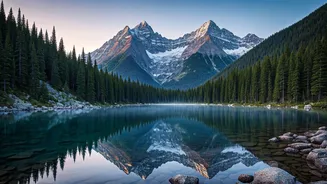
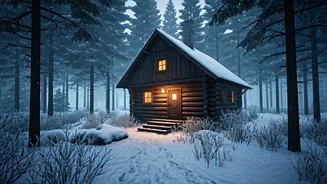
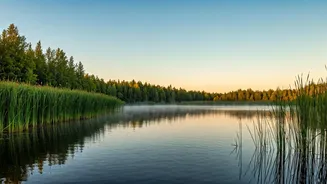
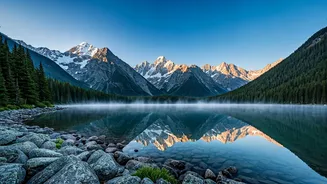
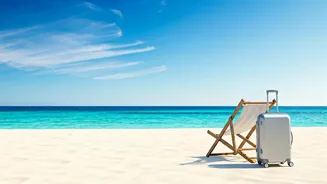
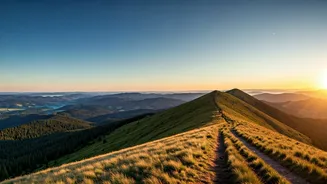
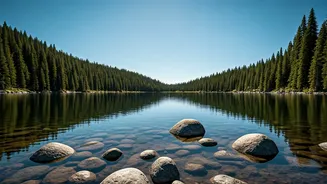
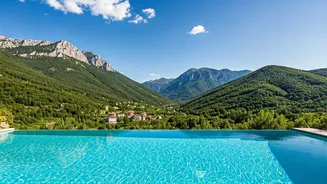
The travel industry, ever responsive to our desires, has already coined a term for this trend: the 'coolcation.' It’s a simple concept that represents a profound shift. For decades, the quintessential summer trip involved chasing the sun—flocking to tropical beaches, Mediterranean coasts, or crowded theme parks in Florida. A coolcation flips the script. Instead of seeking heat, travelers are actively fleeing it. They are trading sweltering beach loungers for breezy mountain trails, bustling hot cities for serene northern lakes, and Caribbean cruises for Alaskan voyages. This isn’t about avoiding vacation; it’s about choosing a destination where you can actually enjoy being outside. The goal is no longer to get the best tan, but to find a place where you can comfortably hike, explore a city on foot, or simply sleep with the windows open.
Where America Is Chilling Out
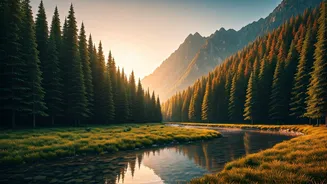
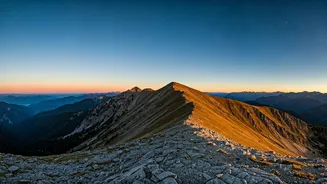
So, where are people going to escape the heat dome? The destinations are as logical as they are appealing. The Pacific Northwest is a major beneficiary, with cities like Seattle and Portland, and the stunning natural beauty of Oregon’s coast and Washington’s Olympic National Park, offering a welcome respite. Similarly, the upper Midwest and New England see a surge in visitors looking to enjoy the Great Lakes or the forested trails of Vermont and Maine. High-altitude destinations are another key player. The Rocky Mountains in Colorado, Wyoming, and Montana offer crisp air and stunning vistas. Instead of baking in Phoenix, travelers are heading to Flagstaff. Instead of melting in Texas, they’re driving up to the cooler climes of the Appalachian Mountains in North Carolina or Tennessee. It’s a domestic travel map being redrawn by the thermometer.
More Than Just a Lower Temperature
The appeal of a cool trip goes beyond simple thermal comfort. It’s about reclaiming the activities that extreme heat makes impossible. Think about the simple joy of strolling through a farmer’s market without feeling dizzy, or enjoying a coffee on an outdoor patio without sweat dripping into your cup. A coolcation is a permission slip to be active, to explore, and to engage with your surroundings in a way that’s simply not feasible when the heat index is 105 degrees. It restores a sense of normalcy to summer, reminding us of a time when the season was about adventure and play, not survival and air conditioning. It’s a choice that prioritizes quality of experience over the outdated notion that a 'hot' destination is the only one worth visiting.