


The Strategic Sacrifice of Thinning
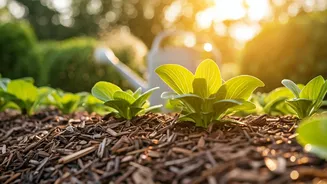
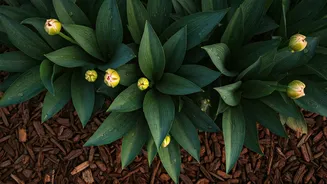
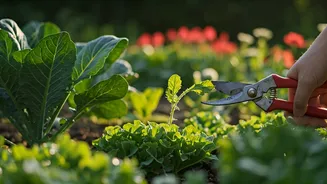
It feels almost cruel. After nurturing tiny seeds into vibrant seedlings, the task of thinning—pulling out perfectly healthy plants—can seem counterintuitive. But this is June’s first and most vital act of control. Whether it’s carrots, radishes, lettuce,
or zinnias, those neat rows you sowed are now a crowded competition for sunlight, water, and nutrients. Without intervention, you won't get a few beautiful, robust carrots; you'll get a tangled mass of pale, skinny roots. You won't get full, spectacular flower heads; you'll get spindly, weak-stemmed blooms struggling for air. Take a deep breath and be ruthless. Follow the spacing instructions on the seed packet. By sacrificing the many for the few, you are guaranteeing that the plants left behind have the resources to reach their full, glorious potential. Think of it not as destruction, but as an investment in quality over quantity.
Pinching Back for Future Abundance
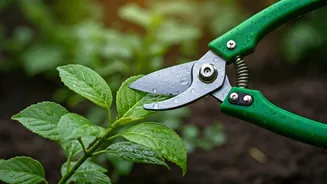
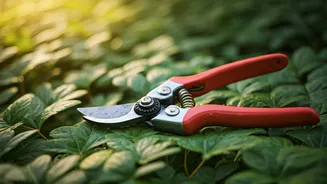
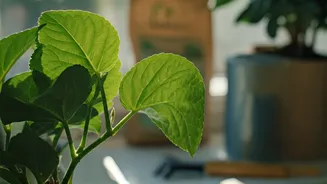
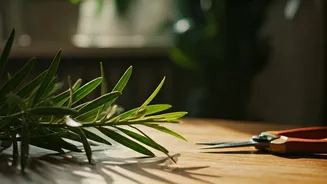
Many of our favorite annuals, like petunias, coleus, and basil, have a single-minded goal: grow tall and flower as quickly as possible. June is your chance to redirect that ambition. This is the art of “pinching back.” By literally pinching off the top growth tip of a young plant, you force it to send its energy outward, not just upward. The plant responds by producing two or more side shoots from the node just below the cut. The result? Instead of a single, leggy stalk with a few flowers at the top, you get a dense, bushy plant that will eventually be covered in blooms or, in the case of basil, provide a much larger harvest of leaves. It’s a small act of control that pays exponential dividends in July and August. You are trading one immediate flower for dozens down the road.
The Preemptive War on Weeds
By mid-June, you’ll know your garden’s most persistent weeds by name. It’s tempting to let them go for a bit, but this is a critical error. In June, weeds are not just an aesthetic problem; they are direct competitors, stealing precious water and nutrients from your vegetables and flowers just as they’re entering their peak growth phase. More importantly, many are preparing to set seed. Every single purslane, crabgrass, or thistle you pull now prevents hundreds or even thousands of seeds from creating a much bigger problem next month and next year. Dedicate 15 minutes a day to this task. A sharp stirrup hoe can make quick work of shallow-rooted annual weeds on a dry day. For perennial offenders with deep taproots, get a weeding fork and make sure you get the whole root. A layer of mulch after a thorough weeding session is your final act of control, suppressing new growth and conserving soil moisture.
Directing Energy with Deadheading
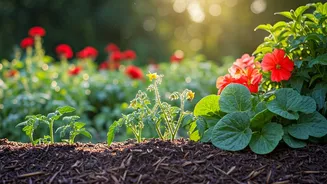
As the first flush of flowers on your perennials and annuals begins to fade, your job is to deadhead. This isn’t just about making the garden look tidy. From a plant’s perspective, its entire purpose is to flower, get pollinated, and produce seed to ensure the next generation. Once it starts forming seeds, its flower production often slows or stops completely. Deadheading is a clever deception. By removing the spent blooms before they can develop seeds, you trick the plant into thinking it has failed its primary mission. In response, it redoubles its efforts, pushing out a fresh wave of flowers. This is especially true for plants like cosmos, marigolds, salvia, and coreopsis. You are essentially hijacking the plant’s biological programming, directing its energy away from reproduction and back toward the beautiful display you desire.
Vigilance Before Intervention
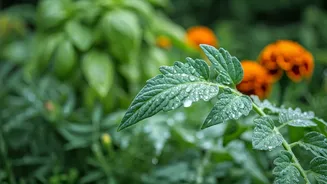
The warm, humid days of June are also a perfect breeding ground for pests and diseases. Before you reach for a spray bottle, practice the control of vigilance. Walk through your garden daily. Look at the undersides of leaves for aphid colonies. Check your tomato plants for the telltale signs of hornworms (chewed leaves and dark droppings). Notice the first powdery spots of mildew on squash leaves. Catching these problems early allows for simple, targeted solutions. A strong jet of water can dislodge aphids. Hornworms can be picked off by hand. A few mildew-affected leaves can be pruned and disposed of. This proactive scouting allows you to manage issues with minimal effort and avoids the need for broad, chemical interventions later when a problem has exploded out of control.