

The Sweet, Golden Invasion
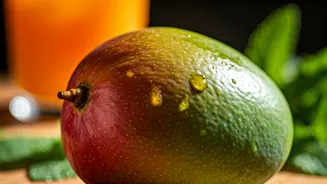
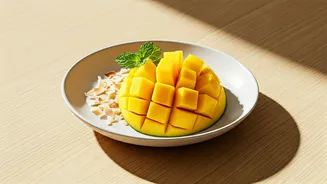
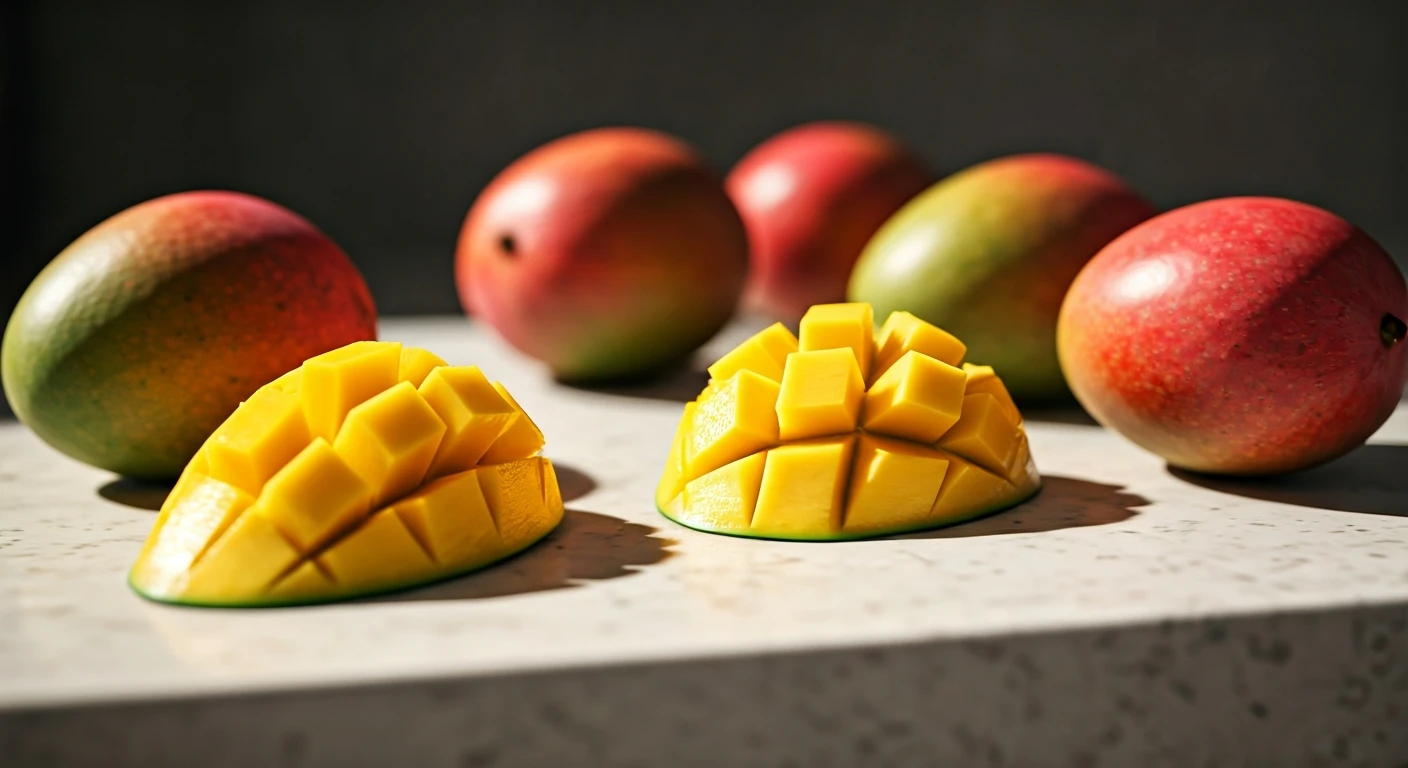
Look around this summer and you’ll see it everywhere. That unmistakable splash of golden-orange isn't just a sunset—it’s mango, and it's popping up in the most delightful, and sometimes unexpected, places. What was once a seasonal treat or a smoothie
staple has become the go-to ingredient for chefs and food brands looking to inject a dose of sunshine into their offerings. National chains are leading the charge. Panera Bread introduced a Tropical Greens Salad with mango, while even fast-food giant Wendy’s has been known to feature mango in limited-time wraps and sauces. From coast to coast, restaurant groups and independent cafes alike are leveraging the fruit’s universal appeal to draw in diners seeking something fresh, exciting, and just a little bit exotic. It’s a full-blown trend that’s as delicious as it is photogenic.
More Than Just a Dessert
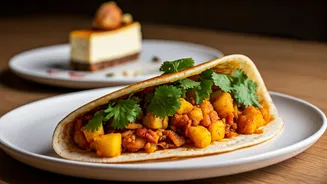
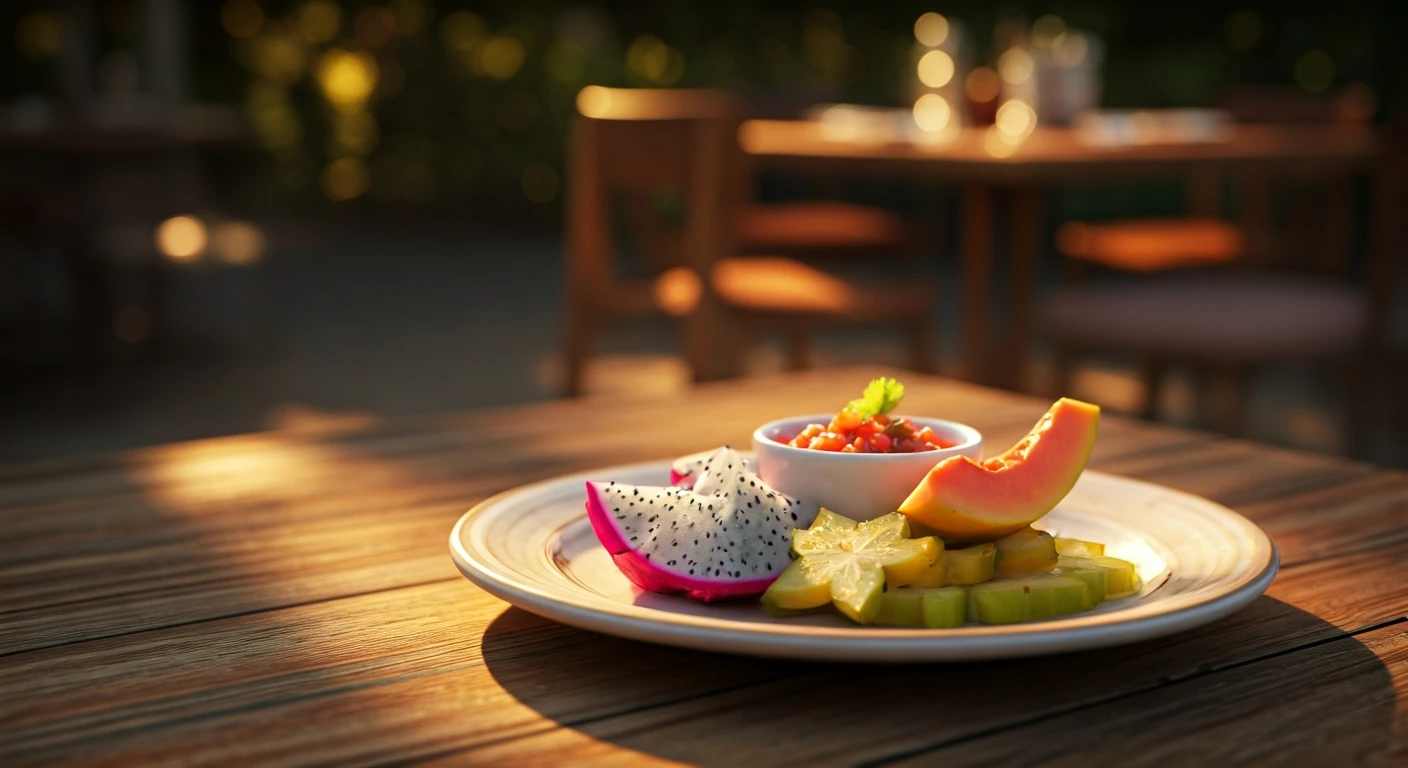
Part of mango’s recent surge in popularity is the growing recognition of its incredible versatility. For years, American menus relegated it to the dessert section or the blender. But chefs are now embracing its full potential. The fruit’s balance of sweetness and acidity makes it a perfect companion for savory dishes. You’ll find it diced into a spicy salsa spooned over grilled fish, pureed into a tangy glaze for chicken wings, or sliced thin to add a sweet counterpoint to a savory arugula salad with a sharp vinaigrette. Its ability to play well with spicy, salty, and sour flavors has unlocked a world of culinary possibilities. Think mango-habanero sauces, mango-avocado toast, and even mango-infused barbecue. This flexibility allows kitchens to incorporate a single, high-impact ingredient across multiple menu categories, from appetizers and entrees to cocktails and, yes, still-delicious desserts like mango sticky rice or sorbet.
Why Mango, and Why Now?
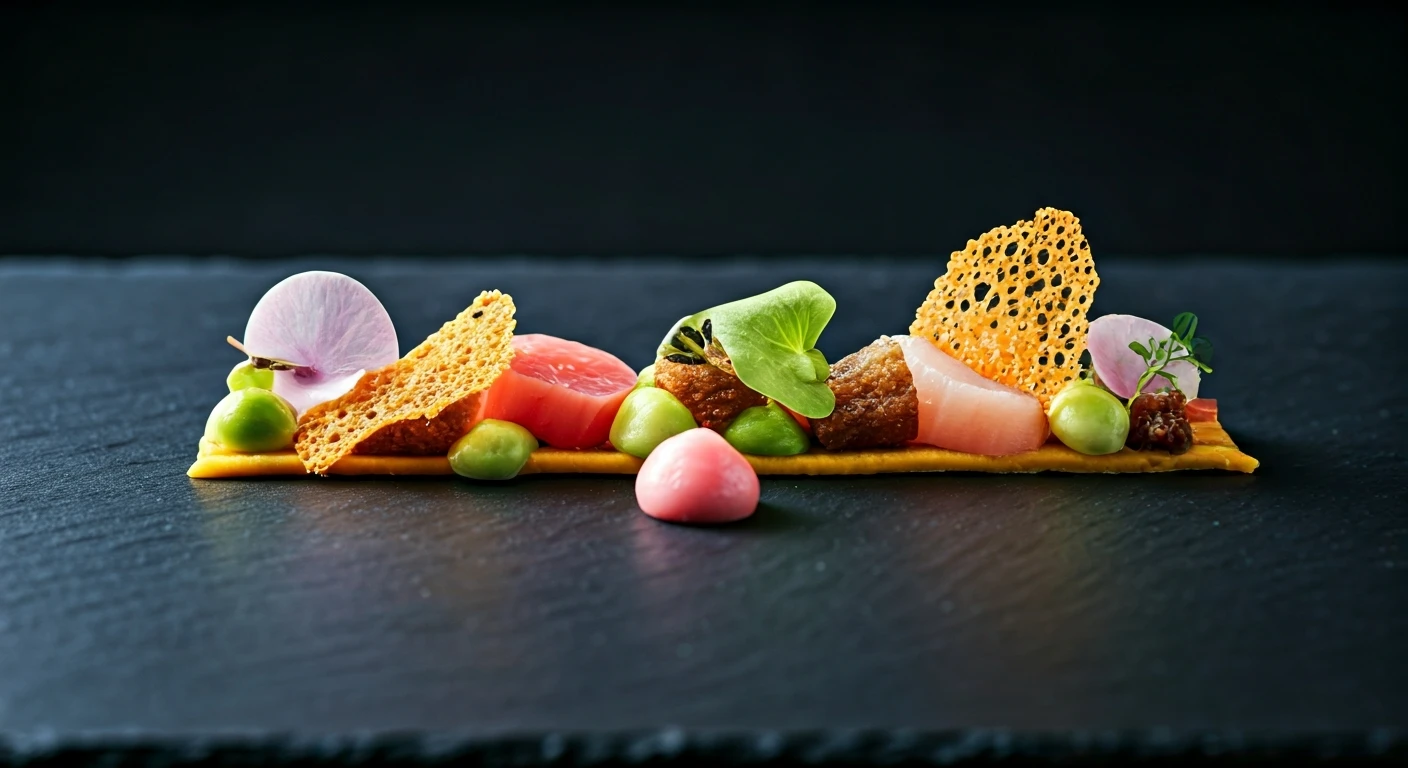
So, what’s behind this mango mania? It’s a perfect storm of factors. First, supply chains have improved dramatically. High-quality mangoes, once a rare and expensive commodity, are now more readily and reliably available year-round from countries like Mexico, Peru, and Ecuador. This stability makes it feasible for large-scale chains to build a menu special around them. Second, there’s the undeniable visual appeal. In the age of Instagram, the vibrant, saturated color of mango makes any dish instantly more beautiful and shareable. A swirl of mango puree or a few bright cubes can transform a drab-looking plate into a feast for the eyes. Finally, American palates are more adventurous than ever. Consumers, particularly younger generations, are actively seeking out global flavors and new experiences. Mango delivers that sense of culinary tourism, offering a taste of the tropics that feels both accessible and aspirational. It hits the sweet spot between familiar and exotic.
An Affordable Taste of Vacation
Ultimately, the appeal of mango is emotional. Its flavor is inextricably linked to sunshine, warmth, and relaxation. For many, a bite of fresh, juicy mango is the closest they can get to a tropical vacation on a Tuesday afternoon. In a world of routine and responsibility, ordering a mango-infused iced tea or a salad topped with the fruit provides a small, affordable moment of escape. It’s a sensory shortcut to a beachside state of mind. Restaurants understand this powerful association. By branding their summer specials with words like “tropical,” “island,” and “sunshine,” they’re not just selling a dish; they’re selling a feeling. They’re offering a brief, delicious respite from the everyday, served up on a plate. And in the heat of summer, that’s an offer that’s very hard to refuse.