


1. Upgrade Your Hydration Game
Chugging plain water is essential, but it's not the full story, especially if you're sweating a lot. When you perspire, you lose electrolytes—minerals like sodium, potassium, and magnesium that are crucial for nerve function and fluid balance. A nutritional
upgrade means replenishing them. Instead of reaching for sugary sports drinks, consider adding a pinch of high-quality sea salt and a squeeze of lemon or lime to your water bottle. This simple mix helps your body absorb the water more effectively. You can also sip on coconut water, which is naturally rich in potassium, or a low-sugar electrolyte powder.
2. Eat Your Water
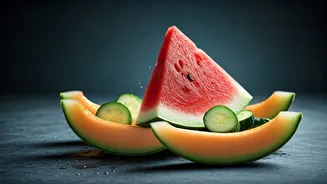
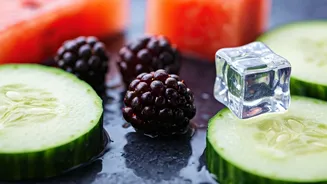
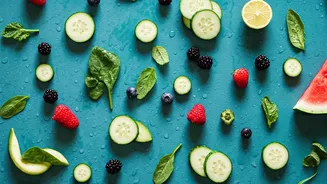
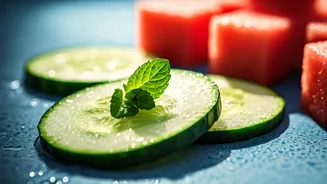
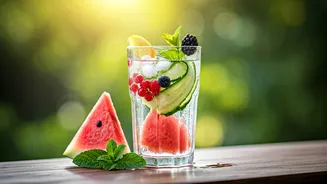
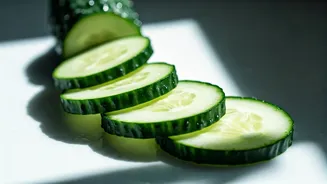
Some of the most effective hydration comes from your plate. Many fruits and vegetables are more than 90% water, offering a delicious way to supplement your fluid intake. Top-tier choices include cucumber (96% water), watermelon (92%), and strawberries (91%). These foods provide hydration in a slow-release package, bundled with vitamins, minerals, and fiber. Try adding sliced cucumber and mint to a salad, snacking on chilled watermelon cubes, or blending berries into a smoothie. It's a far more satisfying—and nutrient-dense—way to stay hydrated than simply forcing down another glass of water.
3. Master Your Minerals
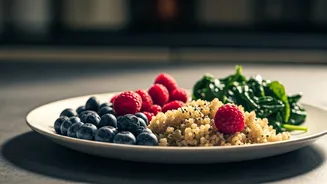
Let's zero in on that electrolyte trio: potassium, sodium, and magnesium. Keeping them in balance is key to avoiding heat-related fatigue and muscle cramps. Potassium helps regulate fluids and is abundant in bananas, avocados, sweet potatoes, and spinach. While too much sodium is a concern for many, a small amount is vital when you're sweating heavily. A handful of salted nuts or olives can do the trick. Magnesium, which plays a role in over 300 bodily functions, is found in leafy greens, nuts, seeds, and dark chocolate. A trail mix with almonds, pumpkin seeds, and a few dark chocolate chips can be a perfect heat-wave snack.
4. Lighten Your Meal Load
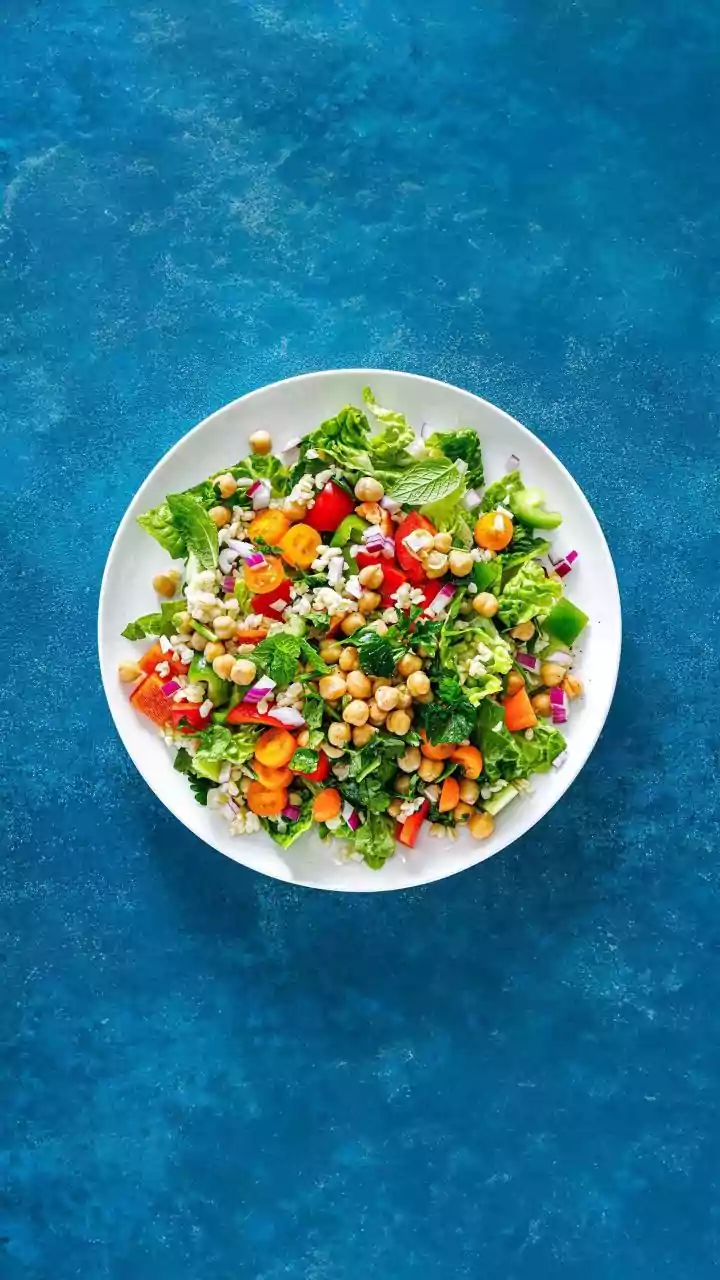
Ever notice how a heavy, protein-rich meal can make you feel even hotter? That’s due to the thermic effect of food (TEF), the energy your body uses to digest and process what you eat. Protein has a higher TEF than fats or carbs, meaning your body works harder and generates more internal heat to break it down. In summer, the smart move is to opt for lighter meals. Focus on large salads with a lean protein source like grilled chicken or chickpeas, chilled soups like gazpacho, and fresh, simple preparations that don't require a lot of metabolic heavy lifting. This keeps your internal thermostat from working overtime.
5. Get Strategic with Cooling Foods
Certain foods contain compounds that can actually help you feel cooler. Mint, for example, contains menthol, which activates cold-sensitive receptors in your mouth, creating a cooling sensation. Interestingly, spicy foods can also be a heat hack. Capsaicin, the compound in chili peppers, triggers a sweat response. As that sweat evaporates from your skin, it provides a powerful cooling effect. It’s no coincidence that spicy cuisines are popular in some of the world's hottest climates. A little bit of spice in a stir-fry or a fresh salsa can be your secret weapon against the heat.
6. Rethink Your Frozen Treats
A sugary ice pop offers a moment of relief, but it often leads to a quick energy crash. For a true nutritional upgrade, make your own frozen treats. Blend watermelon and a touch of lime juice, then pour into popsicle molds for a hydrating, vitamin-packed dessert. Another great option is freezing Greek yogurt mixed with berries and a drizzle of honey. These homemade alternatives provide protein, fiber, and antioxidants without the refined sugar and artificial ingredients, giving you a refreshing boost that actually supports your body's needs.