







The First Wave: Beyond the Burger
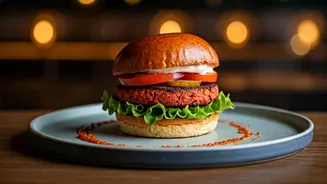
The initial shift began with the plant-based burger boom. Companies like Impossible Foods and Beyond Meat accomplished something remarkable: they made plant-based protein cool. By focusing on replicating the sensory experience of eating meat—the sizzle,
the texture, the “bleed”—they captured the interest of mainstream carnivores, not just vegans and vegetarians. This “flexitarian” audience proved that a massive market existed for meat alternatives that delivered on taste and convenience. However, this first wave was primarily focused on creating meat analogues, direct replacements for patties, sausages, and nuggets. While a crucial first step, it framed alternative protein as a substitute, not a fundamental building block for a new way of eating. The success, and the limitations, of this model paved the way for what was to come next.
The Next Frontier: Fermentation and Fungi
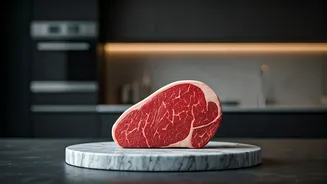
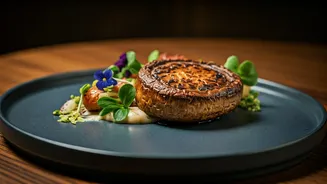
The real game-changer is happening at a microscopic level. Two key technologies are pushing proteins into their next phase: precision fermentation and mycelium cultivation. Think of precision fermentation as programming microorganisms, like yeast or microflora, to produce specific, complex proteins. It’s the same basic technology we’ve used for centuries to make beer and bread, but hyper-targeted. Companies like Perfect Day use this process to create whey and casein—the very proteins that give milk its creamy texture and cheesemaking potential—without a single cow involved. The result is animal-free dairy that behaves just like the real thing. Meanwhile, mycelium, the intricate root-like structure of mushrooms, is being cultivated as a whole food. It grows in fibrous, interlocking threads that create a texture remarkably similar to whole cuts of meat. Companies like Meati and Quorn are now selling mycelium-based chicken breasts and steaks that offer a nutritional powerhouse of complete protein and fiber, with a minimal, unprocessed ingredient list.
From Centerpiece to Invisible Ingredient
This technological leap is fundamentally changing the role of alternative proteins. They are no longer just trying to mimic a burger; they are becoming powerful, functional ingredients that can improve a vast range of foods. The animal-free whey from precision fermentation is already showing up in ice cream, cream cheese, and protein powders that offer better taste and digestibility than plant-based versions. Other companies are developing animal-free egg whites for baking and sauces, or fats that provide the savory, mouth-coating richness of animal fat without the animal. This shift is critical. When alternative proteins become invisible, high-performance ingredients, they move from a niche consumer choice to a foundational part of the food supply chain. A food manufacturer might choose a fermentation-produced egg white because it has a more stable shelf life and performs better in their recipe, with the sustainability benefits serving as a bonus.
Why Chefs and Consumers Are Buying In
Ultimately, this trend is driven by demand. Consumers, particularly younger ones, are increasingly concerned with the environmental and ethical impact of their food choices. The massive land, water, and greenhouse gas footprint of industrial animal agriculture is a powerful motivator. But ethics alone doesn't win the dinner table—taste does. This new generation of alternative proteins is finally clearing the taste hurdle. High-end chefs are embracing mycelium for its unique, savory flavor and meaty texture, using it not as a substitute but as a premium ingredient in its own right. As these products become more delicious, accessible, and versatile than their predecessors, they’re not just an alternative anymore; for many, they’re becoming the preference. The appeal is simple: food that tastes great, is good for you, and is kinder to the planet.