





The New 'Protein Everywhere' Mindset
If it feels like protein has staged a hostile takeover of the food industry, you’re not wrong. The trend you can’t ignore isn't just about bodybuilders chugging shakes anymore. It’s the mainstreaming of high-protein living, where food marketers are adding
it to products you'd never expect. This 'protein everywhere' phenomenon is driven by our growing wellness obsession and the nutrient's well-earned reputation for promoting satiety (the feeling of fullness) and supporting muscle health. Social media is flooded with influencers touting daily protein targets of 100 grams or more, turning every meal into a calculation. The result? A market saturated with protein-fortified snacks and a public convinced that 'more' is always better.
Why Is This Happening Now?
Several forces are converging to make protein the king of nutrients. First, the decline of low-fat and low-carb diet fads left a vacuum for a new nutritional hero, and protein—with its clear benefits for muscle synthesis and appetite control—was perfectly cast. Second, the rise of plant-based eating has created a parallel demand for non-animal protein sources, expanding the market beyond traditional whey and casein. Finally, our lifestyles have changed. We're a nation of snackers looking for convenient options that feel healthy and substantial. A protein bar feels like a smarter choice than a candy bar, and food companies have capitalized on this perception by 'health-washing' otherwise indulgent foods with a halo of added protein.
The Real Question: Do You Need More?
Here's the part the marketing campaigns leave out: most Americans are not protein deficient. According to national health data, the average adult easily meets the basic Recommended Dietary Allowance (RDA) of 0.8 grams of protein per kilogram of body weight. So, if we're already getting enough, why the push for more? The conversation is shifting from deficiency to optimization. For active individuals, older adults concerned about muscle loss (sarcopenia), or people aiming for weight management, higher intake can be beneficial. But for the average sedentary person, simply piling on more protein without changing anything else is unlikely to produce magical results. In fact, the real issue for most people isn't the total amount of protein they eat, but how they distribute it throughout the day.
The Smarter Strategy: Protein Pacing
This is the core of the trend you *really* can't ignore. Forget obsessing over a huge daily number and focus on 'protein pacing.' The typical American diet is protein-lopsided: a little at breakfast (a pastry or sugary cereal), a bit more at lunch (a sandwich), and a massive amount at dinner (a large steak or chicken breast). However, your body can only effectively use so much protein for muscle repair and building at one time—research suggests a ceiling of around 25-35 grams per meal for most people. Protein pacing involves distributing your intake evenly across three or four meals. This approach optimizes muscle protein synthesis throughout the day, enhances feelings of fullness to prevent overeating, and provides a steady supply of energy. A breakfast with 25 grams of protein (think Greek yogurt with nuts or scrambled eggs) will serve you far better than a carb-heavy meal, even if you hit your 'protein goal' with a giant dinner later.
Focus on Food First, Fortification Second
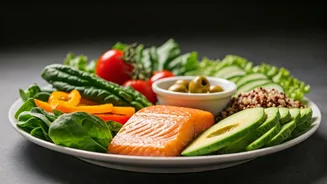
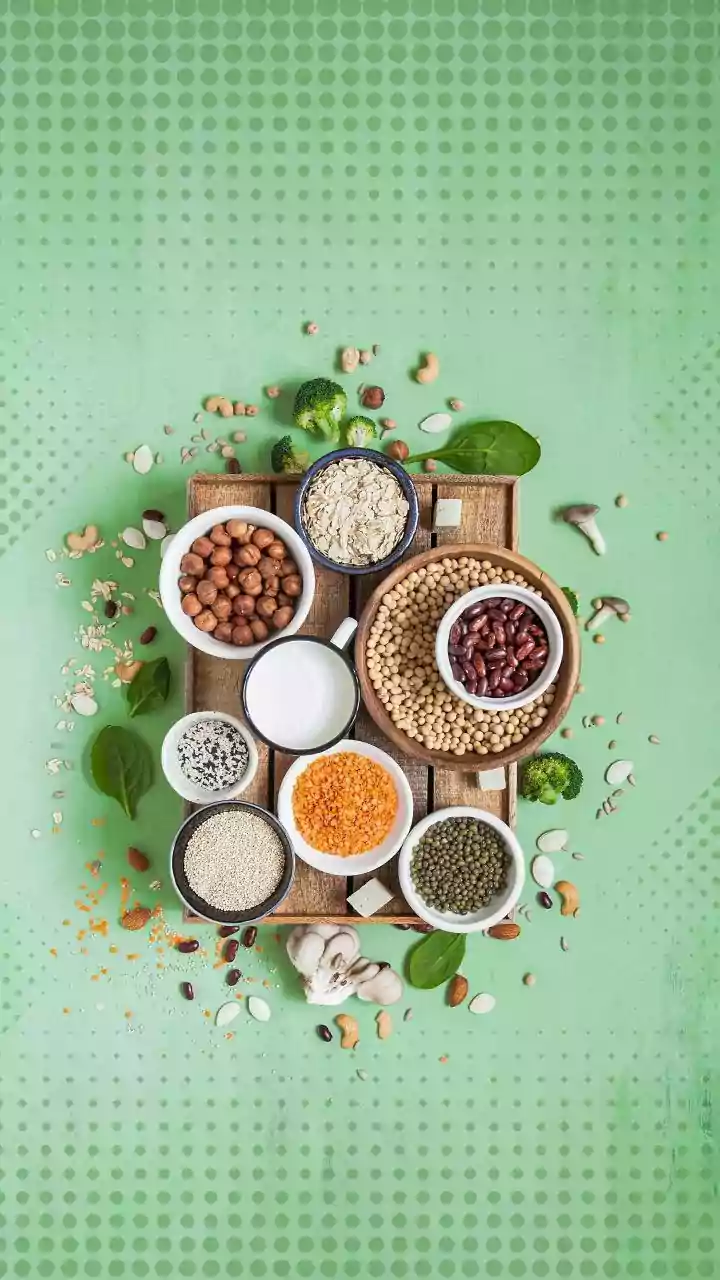
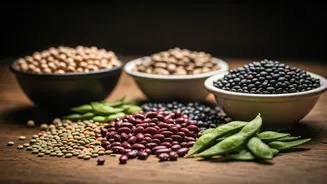
Before you start swapping your morning coffee for 'proffee' or buying protein-infused cookies, take a look at your plate. The most effective way to adopt a protein-paced strategy is with whole foods. These sources come bundled with other essential nutrients, fiber, and vitamins that you won't find in an isolated protein powder. Simple swaps can make a huge difference. For breakfast, try eggs, Greek yogurt, or cottage cheese. For lunch, incorporate lentils, chickpeas, grilled chicken, or tofu into salads and bowls. For snacks, reach for a handful of almonds, edamame, or a hard-boiled egg. While protein supplements and fortified foods can be a convenient way to fill gaps, especially for athletes or those with high needs, they shouldn't replace a foundation built on high-quality, nutrient-dense whole foods.