




The 'Invention' of a Meat Substitute
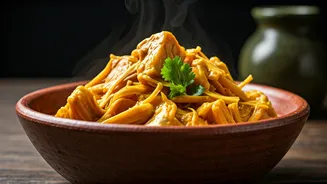
Sometime in the last decade, Western food innovators landed on a brilliant solution for savory, shredded meat alternatives. The unripe jackfruit, when cooked, has a remarkably stringy, fleshy texture that mimics pulled pork or chicken. It's a neutral-flavored
canvas, perfect for absorbing smoky barbecue sauce, spicy marinades, or savory taco seasonings. Packaged and sold in cans or pouches, it quickly became a go-to for vegans, vegetarians, and the plant-curious. To many Americans, jackfruit simply appeared on the scene as a processed product, a clever bit of food science designed to fill a gap in the market. It was branded as a revelation, a new and exciting way to eat meat-free. But for hundreds of millions of people, this “new” ingredient was just… food.
The Humble Vegetable of the Indian Kitchen
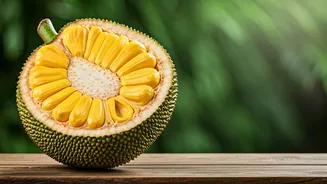
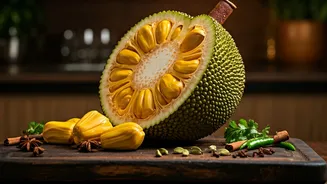
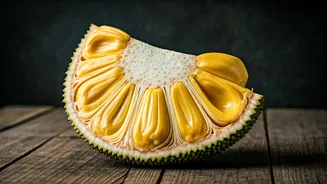
Long before it was packed for Whole Foods shelves, jackfruit was growing on massive trees across South and Southeast Asia. In India, where it is one of the largest and most common fruits, it has been a staple for centuries. But here’s the key distinction: it wasn’t primarily seen as a “meat substitute.” It was simply a vegetable. Known as ‘kathal’ in Hindi, ‘echor’ in Bengali, or ‘panasa’ in Telugu, unripe jackfruit has long been the star of its own show. In a country with a vast and ancient vegetarian tradition, there was no need to mimic meat. Instead, cooks developed an entire culinary repertoire that celebrated the young fruit for what it was: a firm, subtly flavored vegetable that could be stewed, fried, or curried to perfection. It was often called the “vegetarian’s meat” not because it was a substitute, but because its hearty, substantial texture made for a deeply satisfying meal.
Beyond the BBQ Sauce
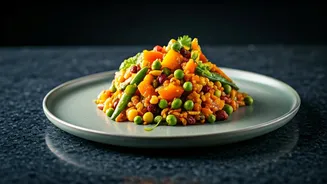
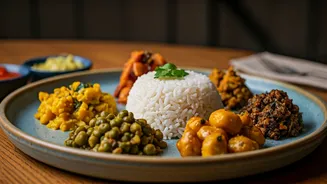
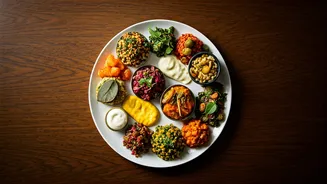
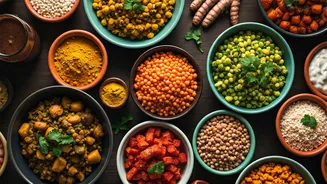
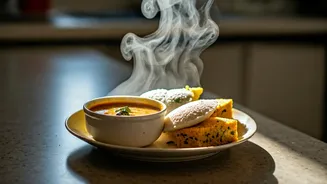
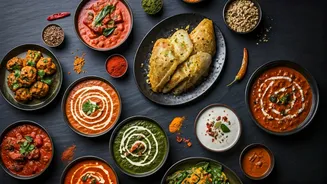
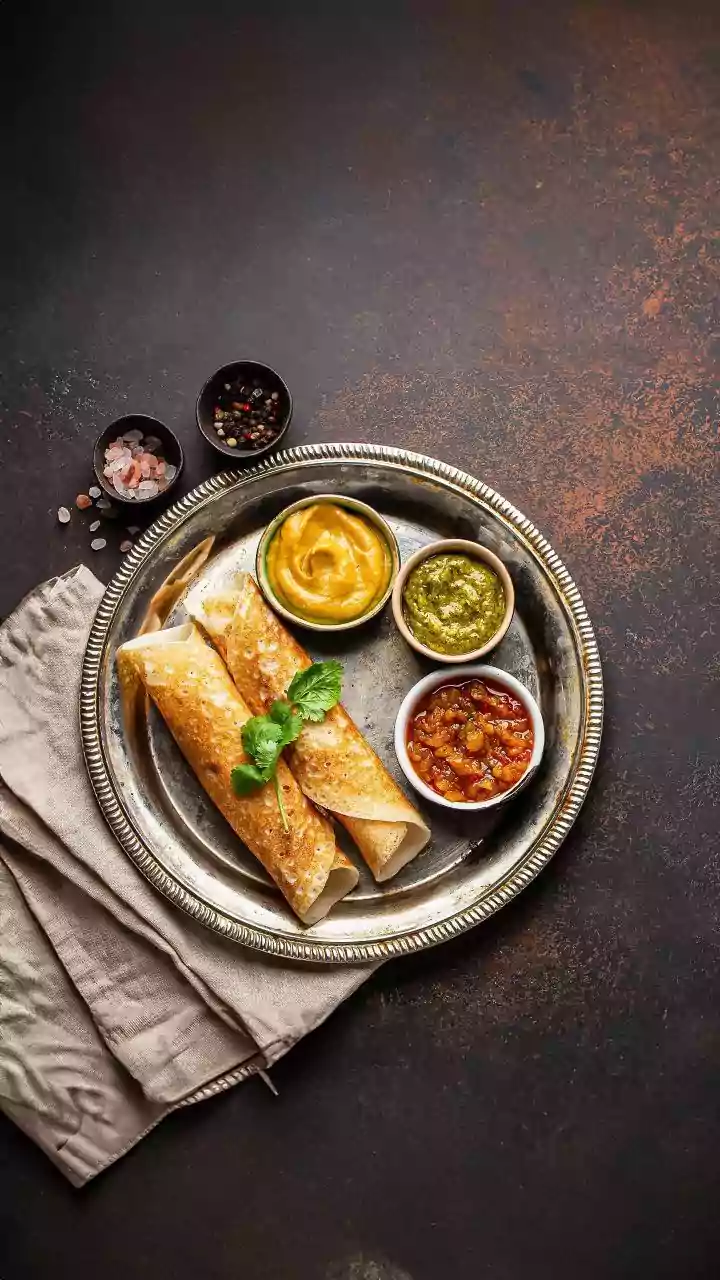
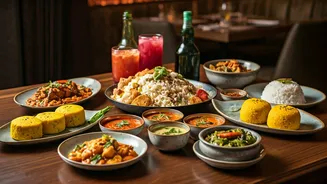
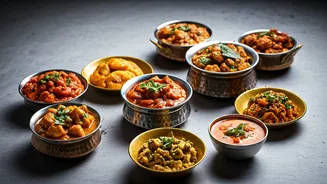
The way jackfruit is used in American vegan cooking—drenched in a single, dominant flavor—is a world away from its traditional preparations. In India, the goal is not to mask the jackfruit but to build complex layers of flavor around it. Imagine a Northern Indian ‘kathal ki subzi,’ where chunks of the fruit are simmered in a fragrant gravy of onions, tomatoes, ginger, garlic, and a symphony of spices like cumin, coriander, and turmeric. Or picture a Bengali ‘echorer dalna,’ a rich, aromatic curry often made with potatoes and a touch of garam masala, sometimes served at celebrations and feasts. In the southern state of Kerala, tender jackfruit is stir-fried with coconut and spices to make ‘chakka puzhukku.’ These dishes don’t try to make the jackfruit taste like something it isn’t. They honor its unique fibrous chew and its ability to act as a foundation for the robust, nuanced flavors of regional Indian cuisine.
A Tale of Two Culinary Philosophies
The story of jackfruit is a fascinating case study in globalization and culinary interpretation. In the West, its value was unlocked by seeing it as a stand-in—a tool to replicate a familiar, meat-centric experience. The focus is almost entirely on its texture. The innovation wasn't the fruit itself, but the application of a familiar American flavor profile (barbecue) to an unfamiliar ingredient. In India, its value has always been intrinsic. It's a beloved vegetable with its own identity, appreciated for its versatility within a culinary system that has never needed to find a one-to-one replacement for meat. This isn’t a criticism of the jackfruit taco, but a recognition of a missed opportunity. By focusing only on what jackfruit can imitate, we risk overlooking what it already is.