


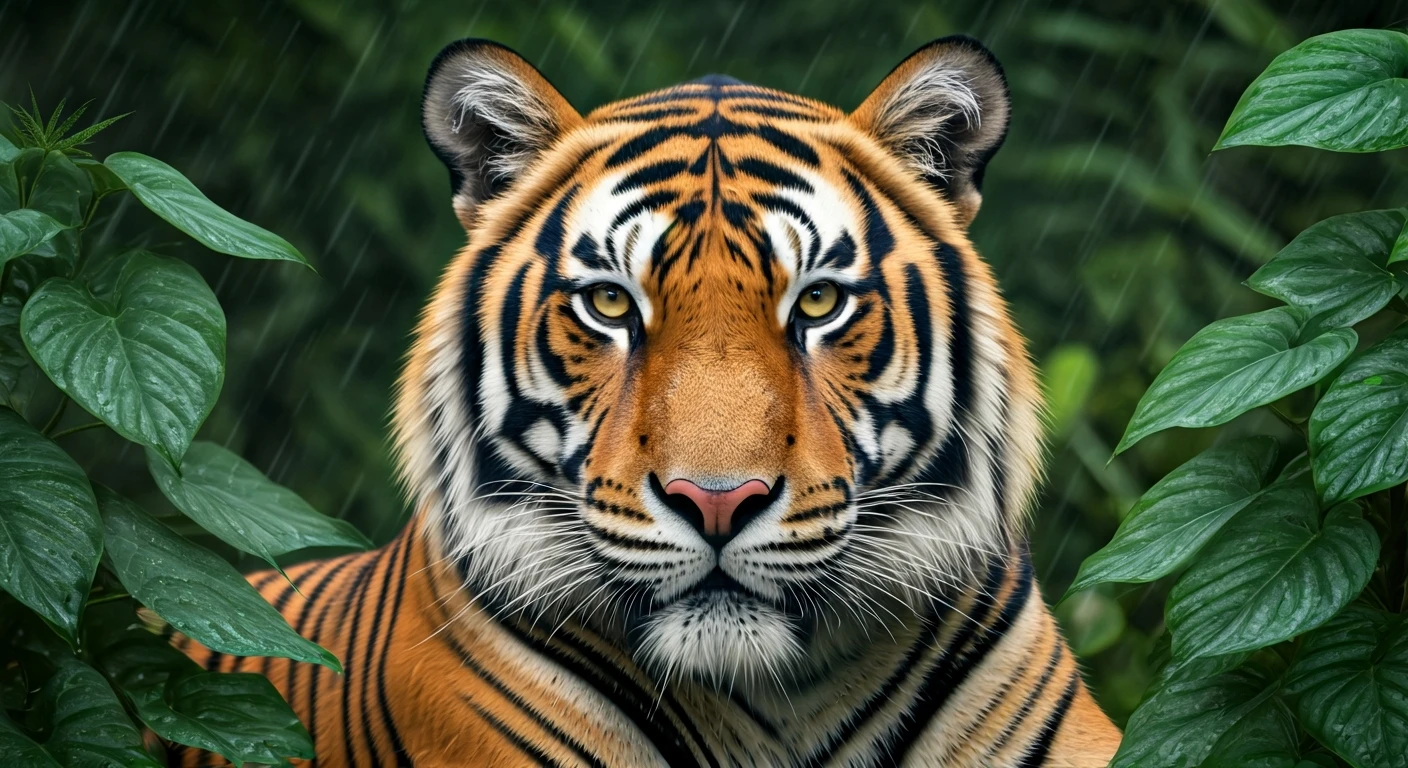
The Annual Monsoon Shutdown
The phrase “tiger parks close” sounds dramatic, even permanent. But in India, it’s a vital, cyclical event. Every year, around late June or early July, most of the country’s premier national parks shut their gates to tourists for several months. The reason
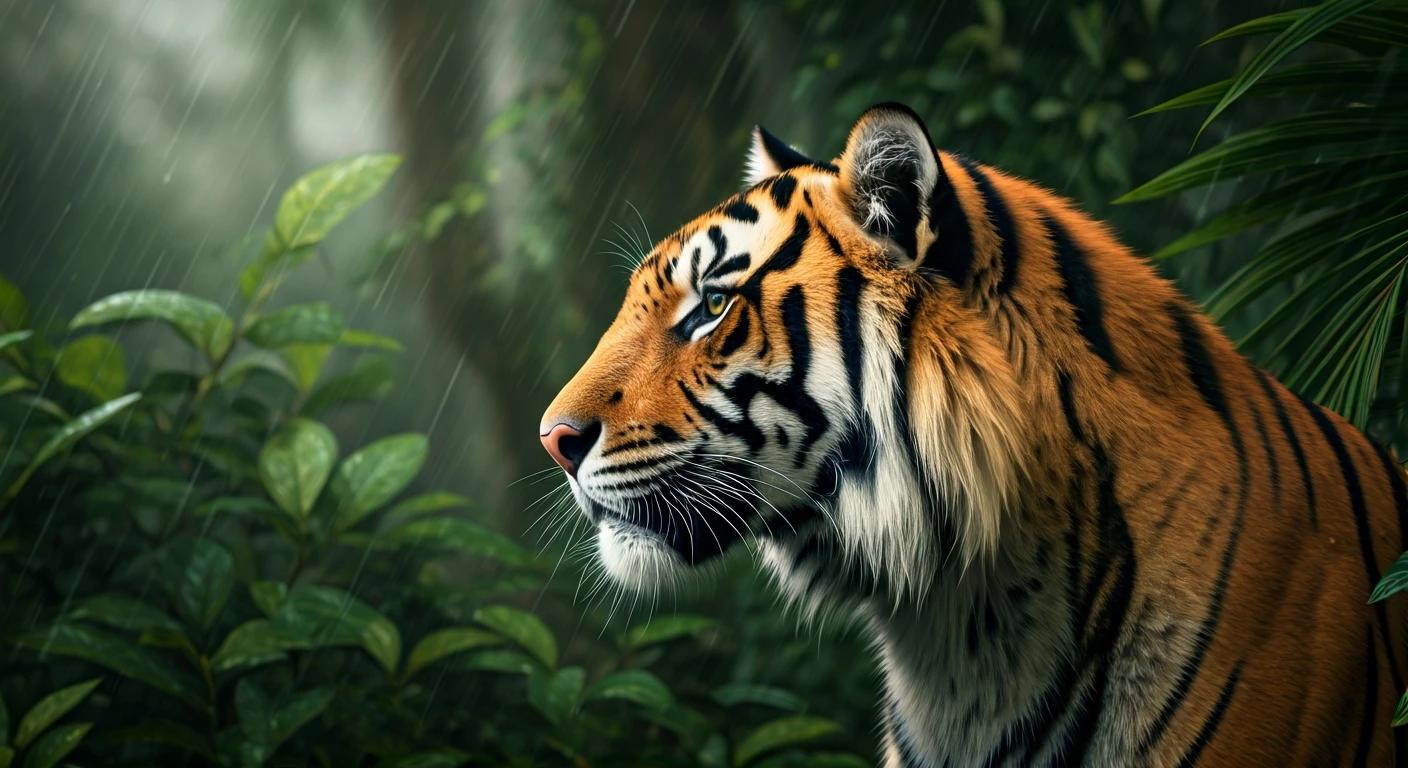
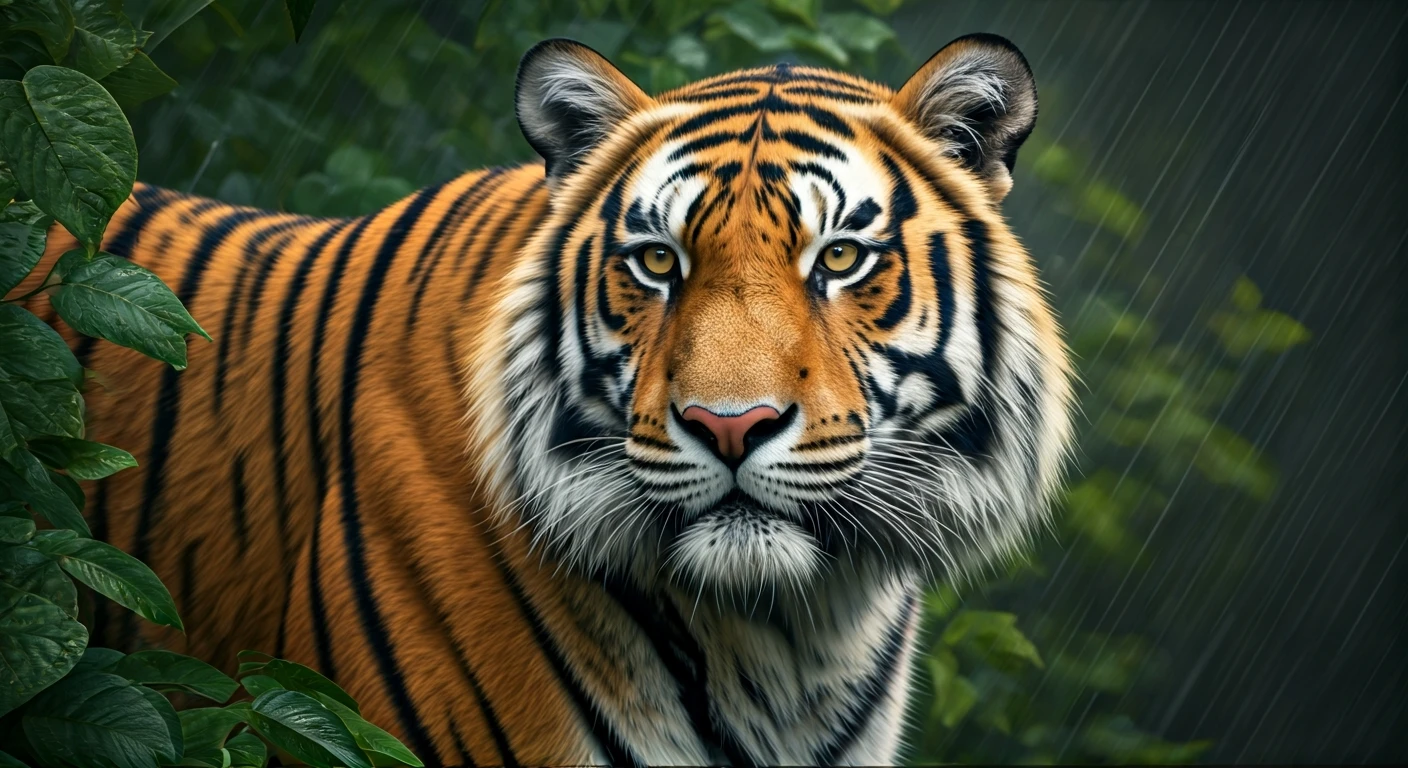
is the monsoon. The torrential rains that sweep across the subcontinent turn the dusty jungle tracks into impassable rivers of mud, making safari operations unsafe and impractical. This annual closure isn’t just about logistics; it’s a crucial period of rejuvenation for the ecosystem. The deluge of rain replenishes water sources and spurs a burst of new growth, allowing the flora and fauna a much-needed respite from the constant presence of safari vehicles. For the parks and the animals that inhabit them, the monsoon is a reset button. For wildlife enthusiasts, it marks the end of the safari season and creates a window of intense, last-chance opportunity.
Why Peak Heat Means Peak Sightings
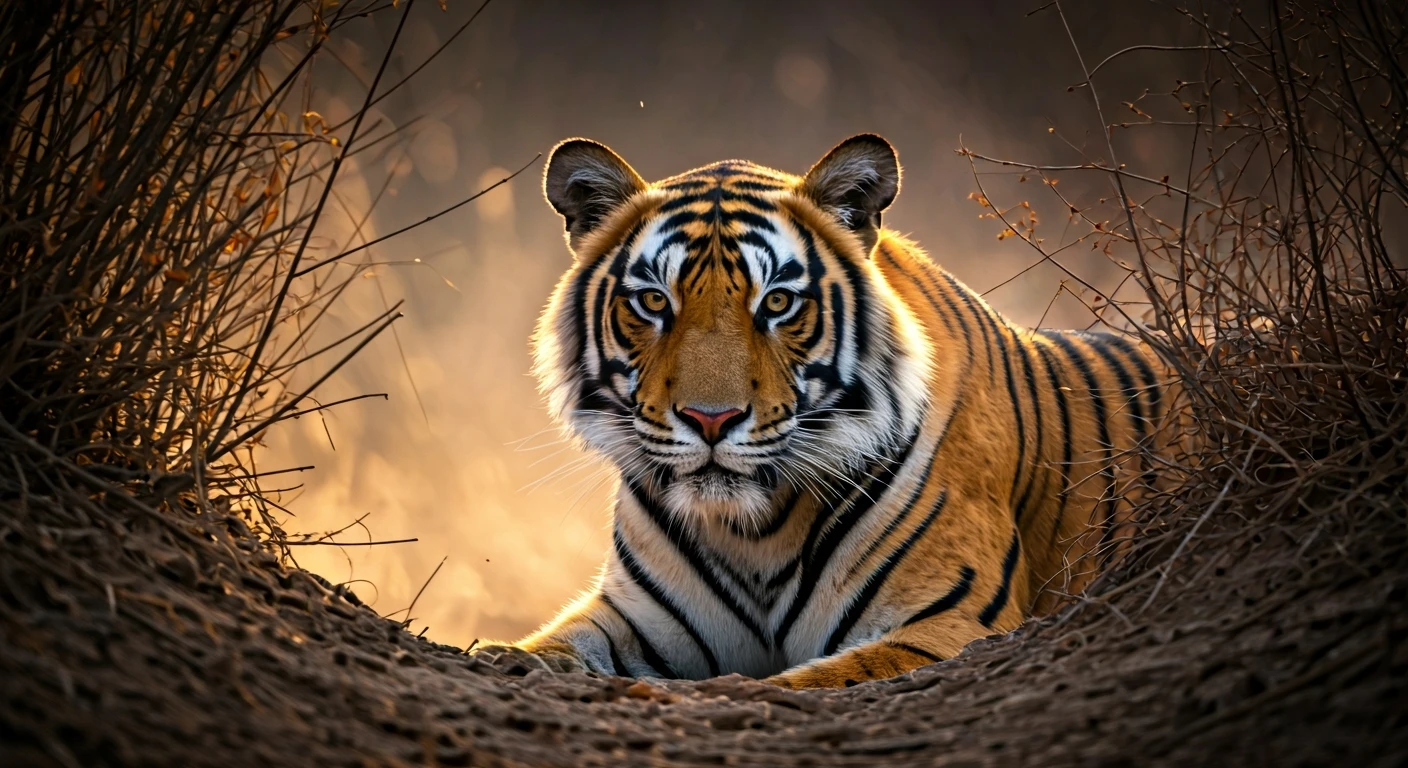
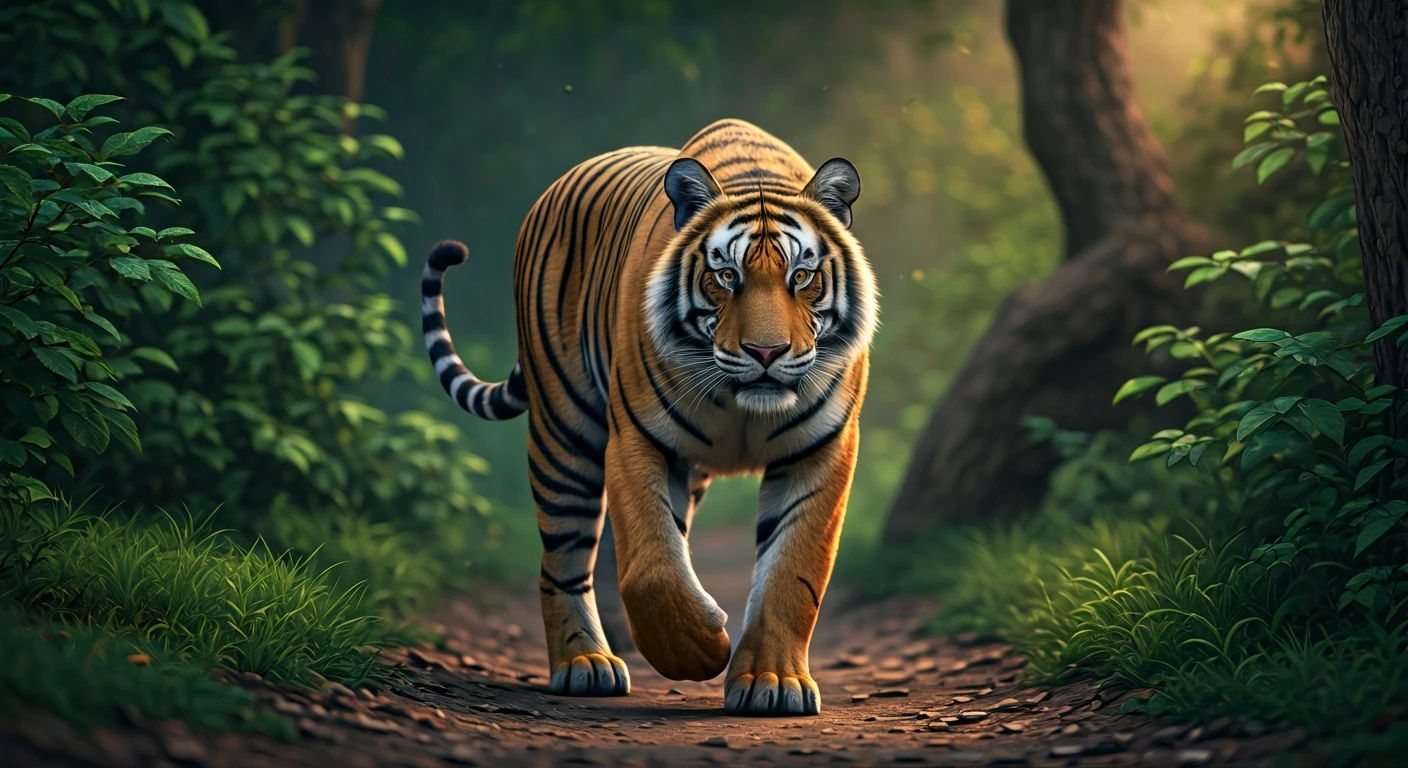
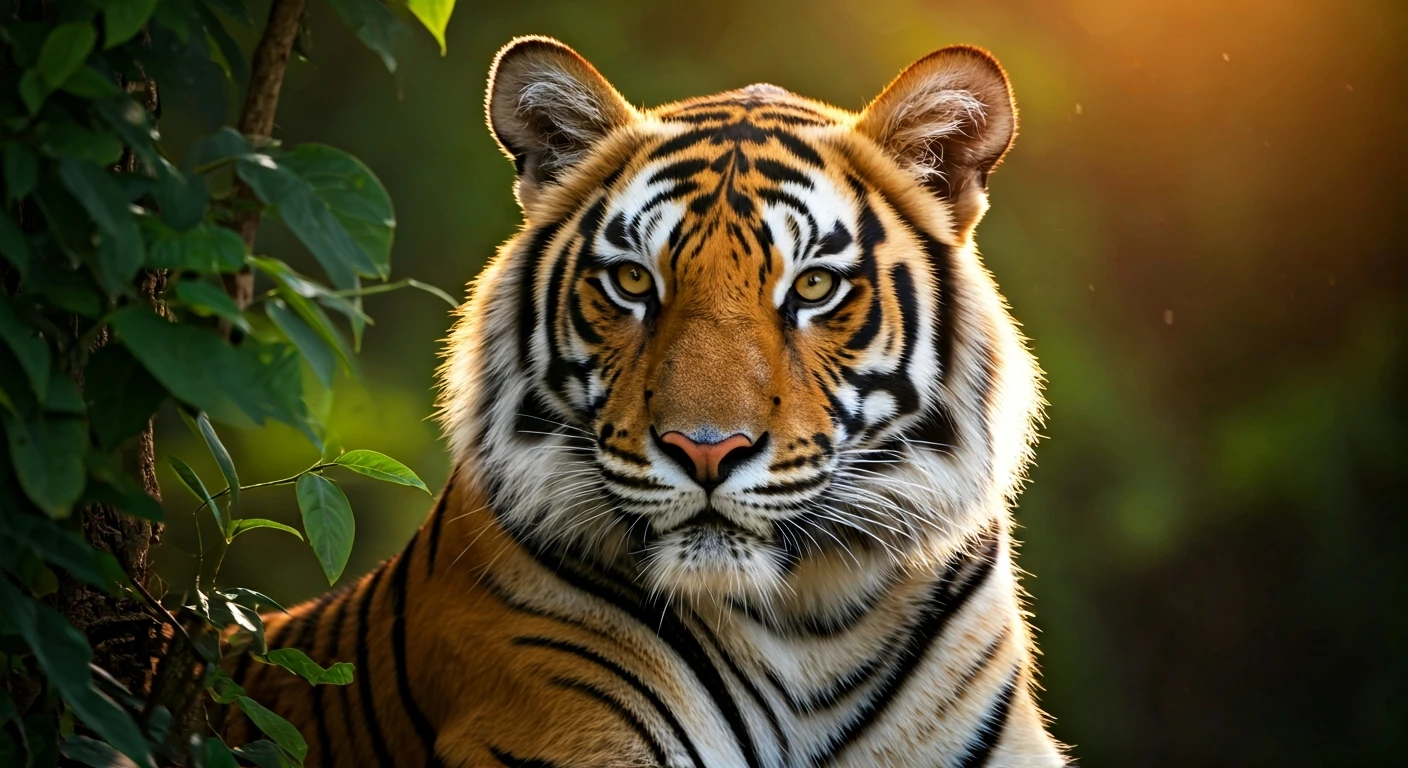
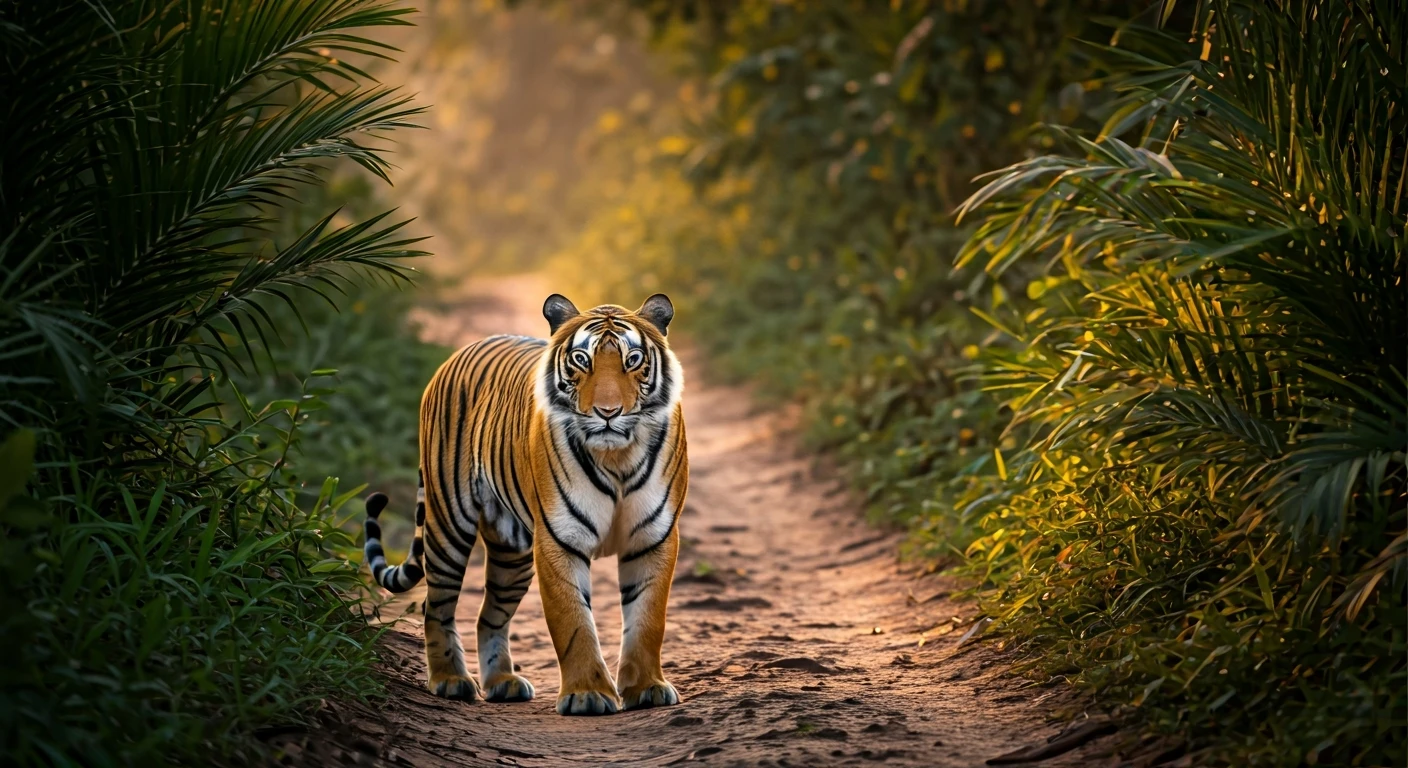
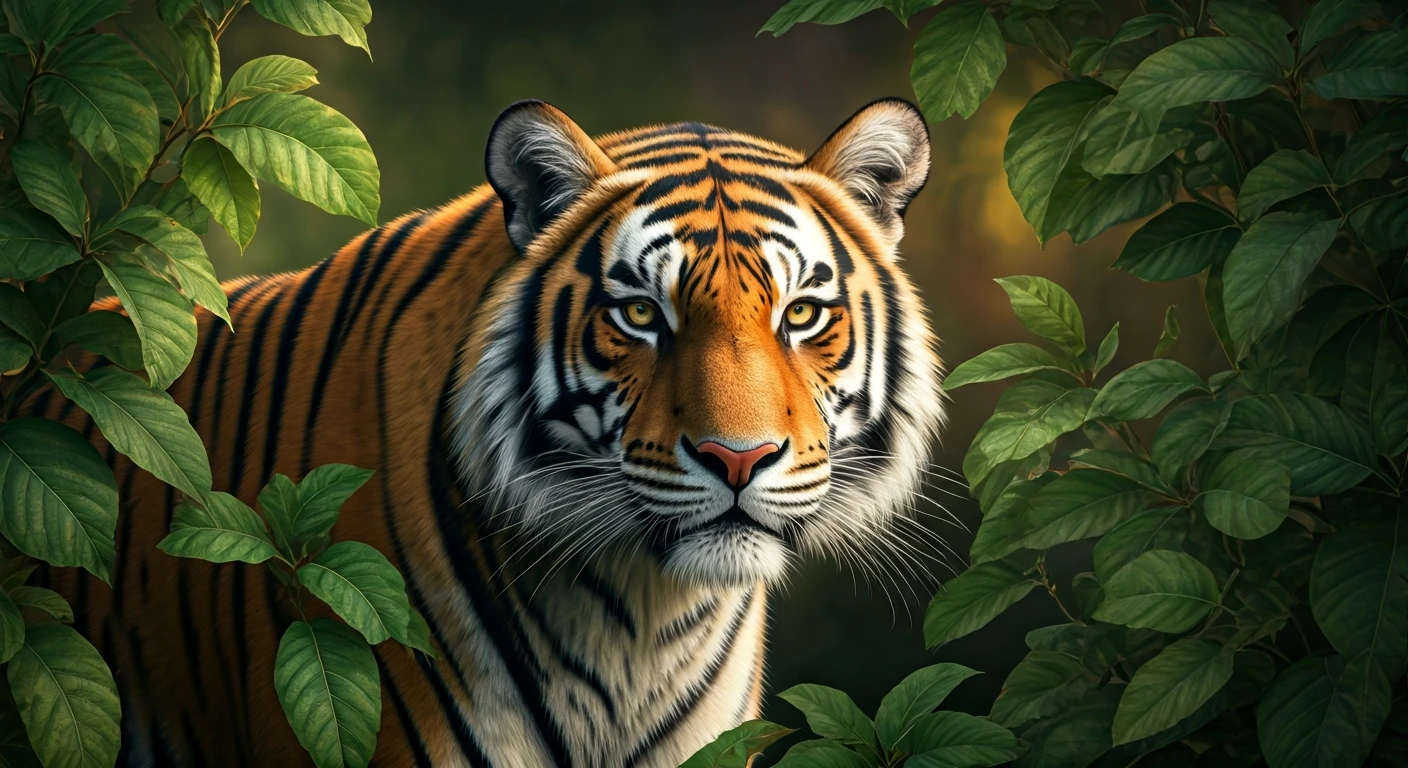
Visiting central India in May and June might seem counterintuitive. Temperatures regularly soar past 105°F, and the landscape is parched and dusty. But for tiger tracking, this is prime time. The intense heat forces wildlife, from spotted deer to sloth bears and, most importantly, the majestic Bengal tiger, to abandon the deep cover of the forest. Their movements become predictable as they are drawn to the few remaining waterholes to drink and cool off. This is the safari-goer's advantage. Guides, with their encyclopedic knowledge of territory and animal behavior, focus their efforts on these life-sustaining pools. The sparser vegetation also means clearer lines of sight. While a safari is never a guaranteed zoo visit—these are wild, elusive predators, after all—the pre-monsoon weeks stack the odds significantly in your favor. The discomfort of the heat is a small price to pay for the heart-stopping moment a tiger emerges from the bamboo, its orange and black stripes a mesmerizing contrast against the dry, pale landscape.
Where to Make Your Final Run
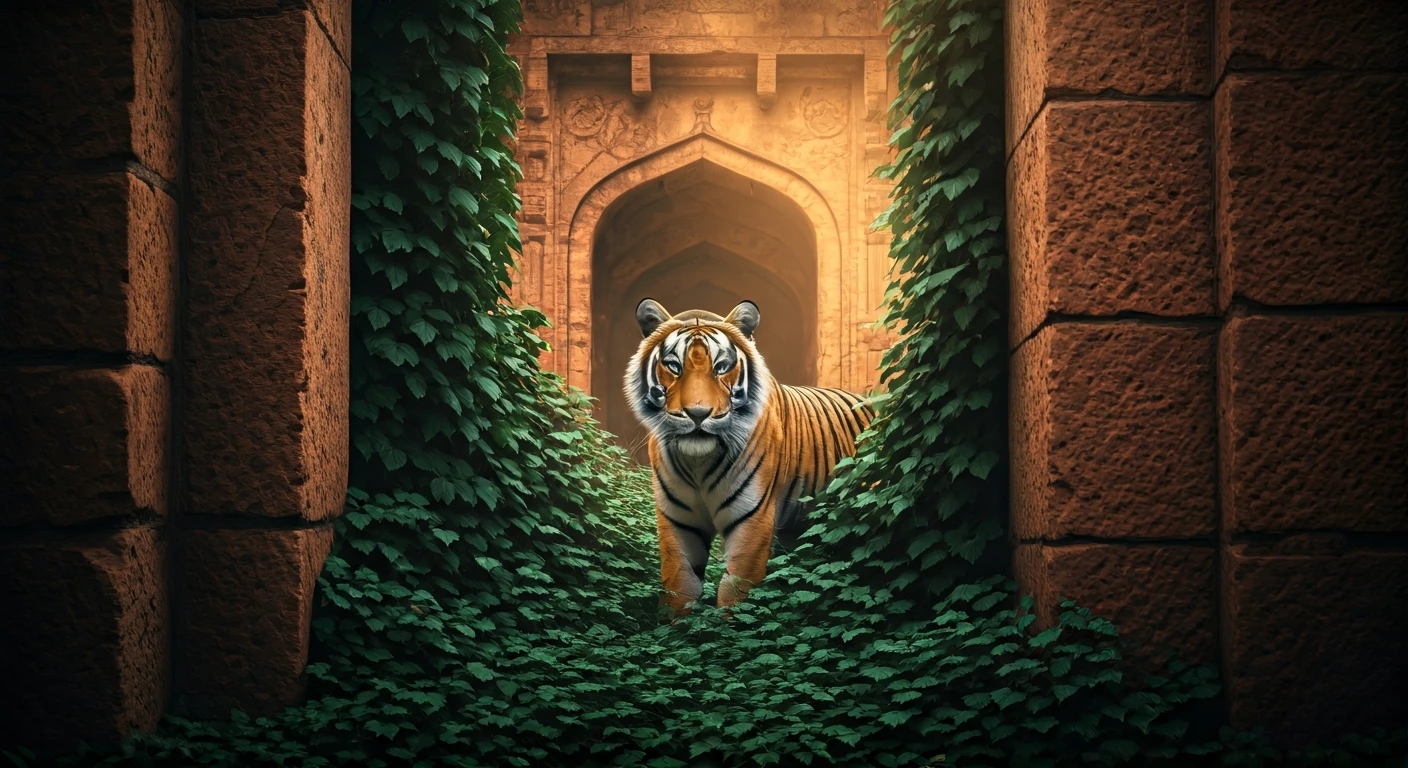
If you're planning a last-minute trip, focus on India’s most renowned tiger reserves. Each offers a unique flavor. **Ranthambore National Park, Rajasthan:** Famous for its dramatic setting, where tigers roam among ancient ruins and a formidable 10th-century fort. The park’s lakes are magnets for wildlife, making for incredible photographic opportunities, especially when a tiger is reflected in the water. **Bandhavgarh National Park, Madhya Pradesh:** Boasting one of the highest densities of Bengal tigers in the world, Bandhavgarh is a top choice for serious enthusiasts. Its mix of dense forest and open meadows provides varied habitats, and the park’s legendary tiger lineage makes every sighting feel like meeting royalty. **Kanha National Park, Madhya Pradesh:** The inspiration for Rudyard Kipling’s *The Jungle Book*, Kanha is a vast expanse of sal forests and grassy plains. It’s not just about tigers; the park was instrumental in saving the Barasingha (swamp deer) from extinction and offers a more holistic jungle experience.
Know Before You Go
A “jungle run” requires planning. Safari permits for the most popular parks and zones sell out weeks, if not months, in advance, especially for the final pre-monsoon rush. Book your safaris (typically morning and afternoon drives) and your lodging at the same time. Many lodges near the park gates can assist with the complex permit process. Pack for the heat: lightweight, breathable clothing in neutral colors like khaki, beige, and olive green is essential. Bright colors are a no-go. Bring a wide-brimmed hat, sunglasses, high-SPF sunscreen, and a reusable water bottle to stay hydrated—lodges and jeeps will have filtered water for refills. And don’t forget your camera and a pair of binoculars. The action can happen at a distance, and you won’t want to miss a single detail.