




From Convenience to Conscious Eating
For a time, it seemed like tradition was losing the battle against the convenience of the supermarket aisle. In urban Indian homes, brightly packaged, shelf-stable foods and Western-style processed meals began to replace the slow, deliberate work of ancestral
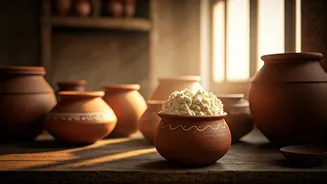
cooking. The daily rituals of soaking, grinding, and fermenting—practices that defined kitchens for generations—were seen by some as time-consuming relics. Grandmothers' recipes for tangy pickles (achar) and savory fermented batters were at risk of becoming fond memories rather than daily staples. But now, the pendulum is swinging back, and it's swinging with force. Driven by a global awakening around gut health and a homegrown desire to reconnect with their roots, a younger generation of Indians is looking back into their own pantries for wellness solutions. They are realizing that the answers to digestive health weren't invented in a Silicon Valley lab; they were simmering in their grandparents' kitchens all along. This isn't just about nostalgia; it's a conscious choice to trade fleeting convenience for lasting well-being and cultural authenticity.
Beyond Yogurt: A Tour of Fermented Delights
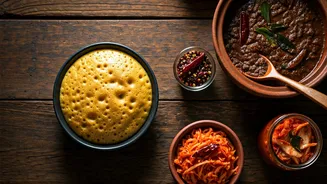
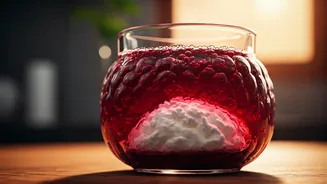
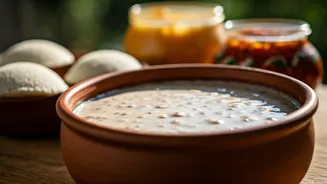
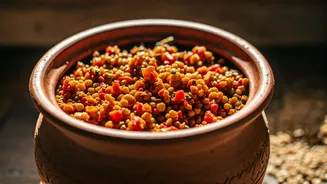
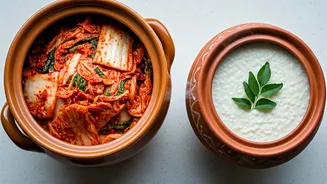
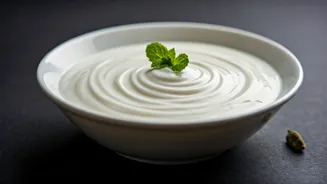
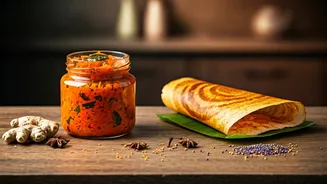
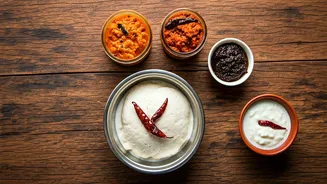
When Americans think of Indian probiotics, they usually stop at yogurt (dahi). While delicious and essential, dahi is just the tip of the iceberg. The subcontinent is a treasure trove of regional fermentation practices, each with its own unique flavor profile and microbial magic. Take *kanji*, a vibrant, purplish-red drink from North India. Made by fermenting black carrots (or beets) in water with mustard seeds and salt, it’s a tangy, effervescent tonic traditionally enjoyed during the spring festival of Holi. In the East, you'll find *pakhala*, a humble dish from Odisha made by soaking leftover cooked rice in water overnight. This simple act of fermentation transforms the rice into a cooling, easily digestible meal teeming with beneficial bacteria, perfect for beating the summer heat. And then there are the countless varieties of *achar* (pickles). Forget the vinegar-brined cucumbers you know; traditional Indian pickles are often lacto-fermented in salt and spices, creating a complex, umami-rich condiment that’s a probiotic powerhouse.
The Science of Ancestral Wisdom
For centuries, people knew these foods were good for them without needing a microscope to prove it. They were cooling, aided digestion, and simply made you feel better. Today, science is finally catching up and validating this ancient wisdom. The process at the heart of it all is lacto-fermentation. When vegetables, grains, or legumes are submerged in a salt brine, harmful bacteria are killed off while beneficial ones, primarily from the *Lactobacillus* family, are allowed to thrive. These good bacteria are the probiotics we now pay a premium for in capsule form. They break down the food, making nutrients more bioavailable and easier for our bodies to absorb. They also produce beneficial acids and compounds that help maintain a healthy gut microbiome, which researchers now link to everything from immunity and mood to skin health and metabolic function. In short, that jar of homemade pickle or glass of kanji isn't just food; it's a living ecosystem designed to support your own internal ecosystem.
A Taste of Identity and Heritage
This revival is about more than just health trends. For many, bringing these foods back to the table is an act of cultural reclamation. In a world that is becoming increasingly globalized and homogenous, these recipes are a tangible link to a specific place, a specific family, and a specific history. Making them is a way to honor the labor and wisdom of previous generations. It’s a quiet rebellion against the idea that 'new' is always 'better.' It’s the decision to spend a Sunday afternoon making mango pickle from a family recipe instead of buying a mass-produced jar. It’s about sharing stories over a bowl of fermented rice, connecting with a culinary heritage that is both deeply personal and universally nourishing. This movement is a powerful reminder that food is never just fuel; it's medicine, memory, and identity all rolled into one.