






1. The Virtual Swing on a Video Call
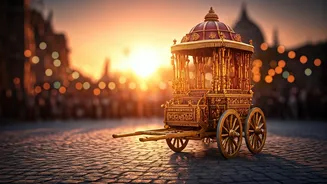
In the eastern Indian state of Odisha, Mithuna Sankranti kicks off Raja Parba, a three-day festival where the earth is believed to menstruate and rejuvenate. A central image of this festival is the 'doli'—a decorative swing. Traditionally, young women,
dressed in their finest, would swing high from the branches of massive banyan trees, symbolizing joy and freedom from household chores. In today's world of smaller apartments and global diaspora, the banyan tree has been replaced by the balcony, and the village square by a screen. Families separated by continents now schedule 'Raja swing' video calls. A daughter in Dallas might watch her cousin in Bhubaneswar on a decorated indoor swing, while an aunt in London shows off her new sari. It’s a beautiful, poignant adaptation where technology bridges distance, ensuring the feeling of togetherness and the visual of the joyful swing remain central to the celebration, even if it’s through a Wi-Fi signal.
2. The Poda Pitha Gets an Oven-Ready Makeover
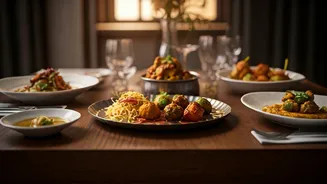
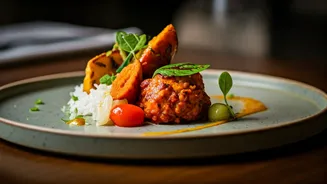
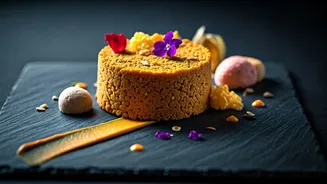
You can’t talk about Raja Parba without mentioning Poda Pitha, a slow-cooked cake that is the festival’s undisputed culinary star. Traditionally, this delicacy—made from rice flour, coconut, jaggery, and cardamom—is wrapped in leaves and baked overnight in an earthen hearth, buried in smoldering embers. The result is a smoky, caramelized cake with a deliciously burnt crust. But who has an earthen hearth in a modern condo? Today's home cooks have ingeniously adapted. Recipes now circulate on YouTube and Instagram for 'oven-baked' or even 'pressure cooker' Poda Pitha. Specialty stores and home-baking businesses, especially in cities with large Odia communities, now take pre-orders for the festival, delivering a taste of tradition to your doorstep. This shift ensures the signature flavor of the festival endures, even if the cooking method has evolved from ancient hearths to modern appliances.
3. Redefining the 'No Work' Rule
A core tenet of Raja Parba is giving both Mother Earth and women a break. During the festival, women traditionally refrain from all work—no cooking, no cleaning, no walking barefoot on the earth. It’s a profound recognition of female labor and a mandated period of rest and pampering. In the 21st century, this has been reinterpreted in fascinating ways. For a working woman, it might mean taking a day off from her corporate job. For others, it’s a 'self-care' ritual—a spa day, a shopping spree for new clothes and accessories ('Raja Saja Basa'), or simply a day to binge-watch movies with friends. The spirit remains the same: a celebration of feminine energy and a well-deserved break from routine. It’s less about avoiding specific agricultural or domestic tasks and more about reclaiming time for personal joy and rejuvenation in a hectic, modern world.
4. From Village Greens to Community Pop-Ups
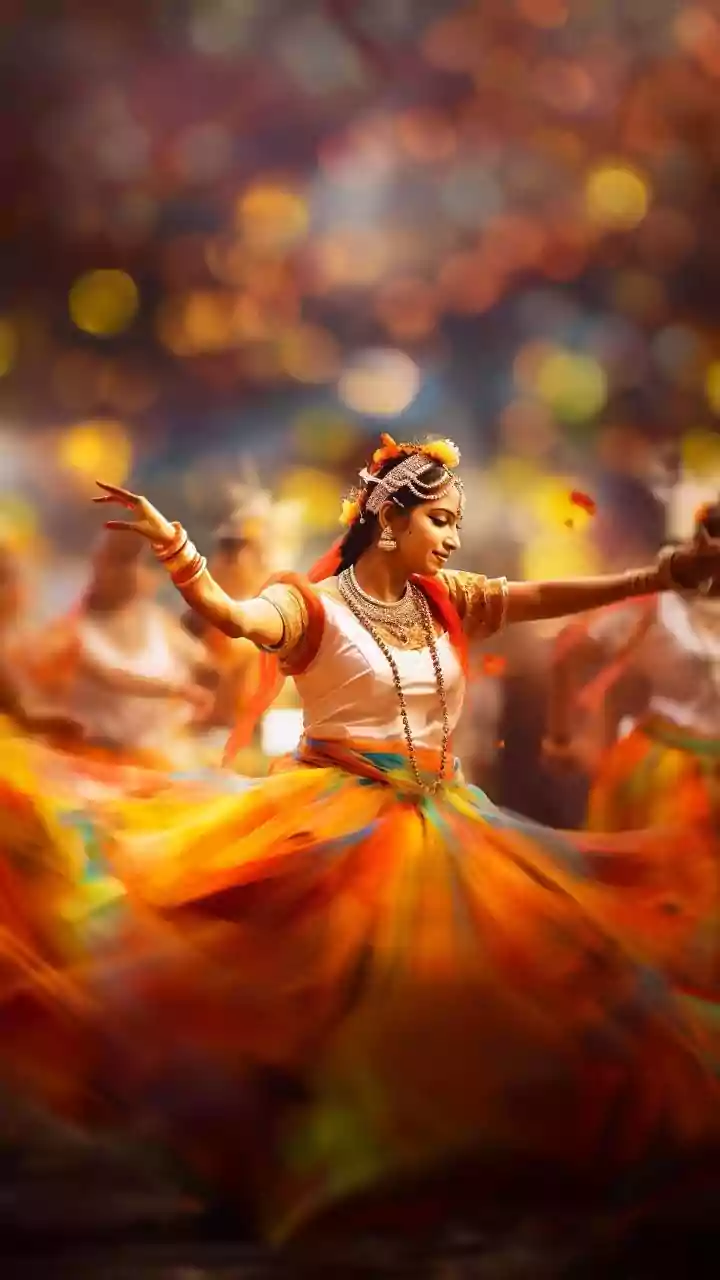
Traditionally, Raja Parba was a hyperlocal event celebrated within the village. The swings, the games of 'puchi,' and the feasting were community-wide but geographically contained. For Indian-American families, the celebration has scaled up. Instead of a village green, the festivities now unfold at community centers and public parks in places like New Jersey, Texas, and Northern California. Odia cultural associations across the United States host large-scale Raja Parba events. These gatherings are a vibrant tapestry of tradition and diasporic identity, featuring food stalls selling pithas and other delicacies, folk dance performances, and, of course, long lines for a turn on specially erected swings. It transforms a family festival into a powerful community-building exercise, allowing a new generation of kids to experience the sights, sounds, and tastes of their heritage.
5. The Card Games and Indoor Fun Go Digital
Besides swinging, another key part of Raja Parba is playing games. Since strenuous outdoor activity was discouraged, indoor games and card games like 'gapa' (a local card game) were the main sources of entertainment. It was a time for leisurely social interaction. Today, that spirit of playful competition has found a digital outlet. Family WhatsApp groups light up with friendly banter and shared photos. Younger cousins might organize online Ludo or UNO tournaments, connecting players from different cities and time zones. Instead of gathering on a veranda to play cards, they might be logged into a private room on a gaming app. This digital playground preserves the social, leisurely aspect of the festival, keeping family bonds strong through shared, lighthearted fun, no matter how many miles lie between them.